




Introduction: Navigating the Complexity of Control Systems
Imagine a bustling smart building where every light, HVAC unit, and security system communicates seamlessly. Now, consider the data: a study found that over 60% of facilities experience control system failures. It’s here that a central controller plays a pivotal role, ensuring that these systems function efficiently. These controllers not only enhance communication but also maintain consistent performance across various platforms. So, what exactly is a central controller, and how does it influence our daily lives?
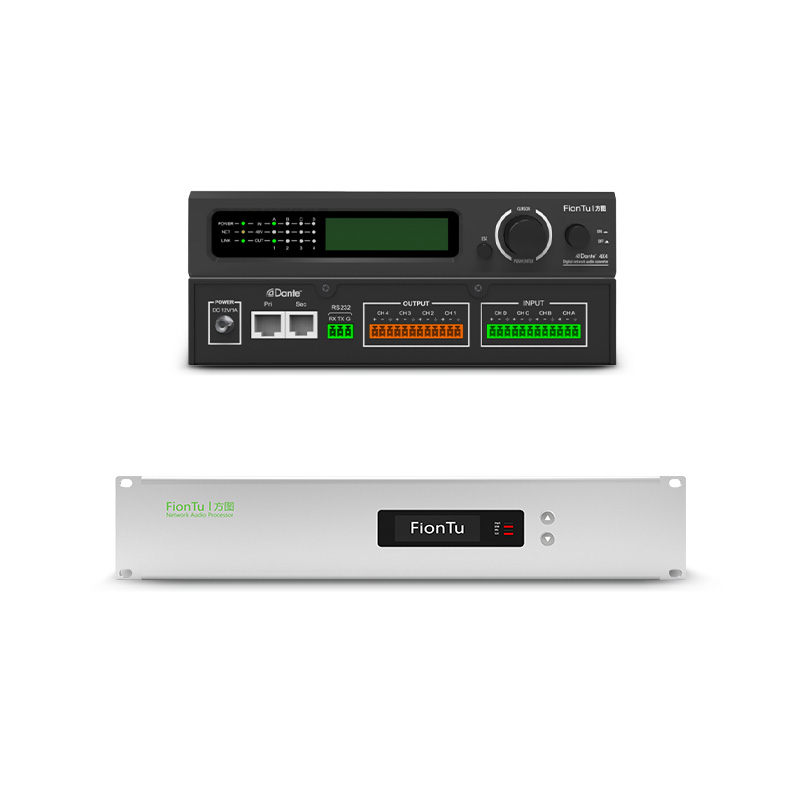
Body: A Deep Dive into Technical Aspects
Traditional Solution Flaws
Historically, control systems have relied on outdated methods that often lead to miscommunication between devices. For instance, conventional systems usually lack the flexibility to integrate with newer technologies, which can lead to inefficiencies and increased operational costs. Why do failures always occur during transitions to newer systems? Simply put, traditional controllers often can’t adapt to the evolving landscape of tech advancements.
New Technology Principles
The introduction of a modern centralised control system is a game-changer. By utilizing principles such as wireless communications and real-time data processing, these systems are more adaptable and reliable. They bridge the gap between various devices, ensuring that they communicate effectively and operate harmoniously together.
Quantified User Benefits
Implementing a centralised control system can lead to significant user benefits. Consider this: facilities that adopted these systems reported up to 30% reductions in energy costs and improved operational efficiency. Look, it’s simpler than you think—by enhancing biocompatibility and integrating edge computing nodes, users experience smoother operations and greater savings in the long run.
Conclusion: Your Guide to Choosing the Right Control System
Always verify these 3 metrics when choosing solutions: ① System compatibility ② User interface intuitiveness ③ Cost-effectiveness. By focusing on these areas, you can ensure that your choice of a control system not only meets your current needs but is also ready for the future.
Expanding on Centralised Control Systems
The Essence of Centralised Control Systems
A centralised control system unifies the management of various building systems—think lighting and safety protocols—under one umbrella. This integration empowers operators to respond swiftly to any operational anomalies. For industries facing tight regulations, having a central controller ensures compliance while reducing the burden of manual oversight.
Maximizing Efficiency with a Central Control System
With a reliable central control system, facilities can thrive—users often report enhanced productivity and reduced maintenance needs. Emphasizing real-time data analytics helps in preventive maintenance, allowing teams to address issues before they escalate. In environments like hospitals, efficiency can translate directly into improved patient outcomes—every second truly counts.

Conclusion: The Superior Choice for Control Solutions
In summary, understanding the functions and advantages of modern control systems is essential. Brands like FIONTU stand out for their reliability and innovation in manufacturing centralised control systems. With supply advantages that cater to various industries, FIONTU is a leading choice for those looking to enhance their control systems.

