



Introduction
I remember a small shop out in the county where the owner mistook a cheap machine for a bargain — that story stuck with me. In that shop (they were fixing tractors by day and making parts by night), the choices mattered more than the price. Data shows small and mid-size shops account for a big slice of demand for CNC turn mill center manufacturers, and downtime costs can eat profits fast. So I ask: how do you pick a machine that won’t leave you stranded on a deadline? I’m plainspoken about this — I like clear trade-offs and tools that do the job without fuss. Let’s walk through what I’ve learned and why a careful comparison beats a flashy brochure. Next, we’ll dig into where traditional fixes trip up and what pain points are hiding under the hood.
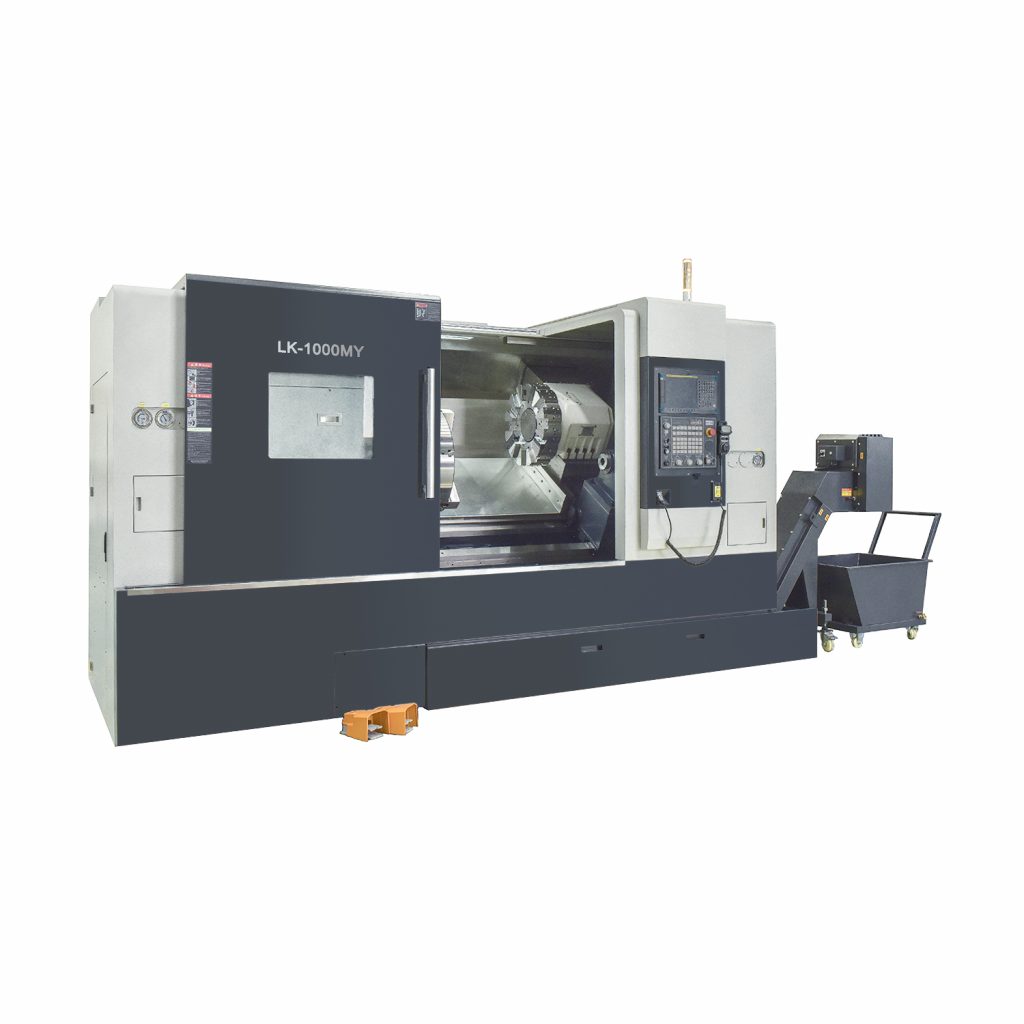
Where Traditional Solutions Fail: Hidden Pain and Design Flaws
multifunctional mill turn center promise a lot: fewer setups, one-fixture finishes, and tighter tolerances. But I’ve seen these promises break down on the shop floor. Many older designs focus on layout and basic power without solving thermal drift, spindle rigidity, or tool change timing. The result is a machine that looks versatile on paper but slows production in practice. Live tooling can be slow if the turret indexing isn’t optimized. Ball screw backlash and weak servo drive tuning add to scrap rates. Look, it’s simpler than you think — if you stop chasing specs and start watching cycle times and setup hours, the picture gets clear.
Why does this matter?
Because the pain isn’t always loud. Hidden user headaches include long fixture swaps, inconsistent surface finish, and creeping scrap that shows up only after hundreds of runs. Shops then pile on process workarounds — extra inspections, redundant fixturing, and conservative feeds — and those stopgap fixes cost labor and morale. I’ve watched plant managers choose the cheaper option and pay for it with overtime and lost customers. We need to call out these flaws: poor coolant system routing, slow spindle speed ramp-up, and weak power converters that can’t handle peak loads. When you know what to look for, you can demand better specs or avoid the pitfalls altogether.
New Technology Principles and a Forward-Looking Comparison
Now let’s shift to what’s next. I’ll explain a few guiding principles that separate a dependable machine from a showroom shiny but unreliable one. Modern machines that actually cut lead time rely on smarter control logic, stronger spindle bearings, and better heat management. The new approach blends edge computing nodes for local process tweaks with robust mechanical design — and that matters when you run a cnc turning lathe all day. I’m not buying miracles; I’m looking for measurable gains: fewer setups, predictable cycle times, and less scrap. These gains come from sensible engineering choices, not buzzwords.
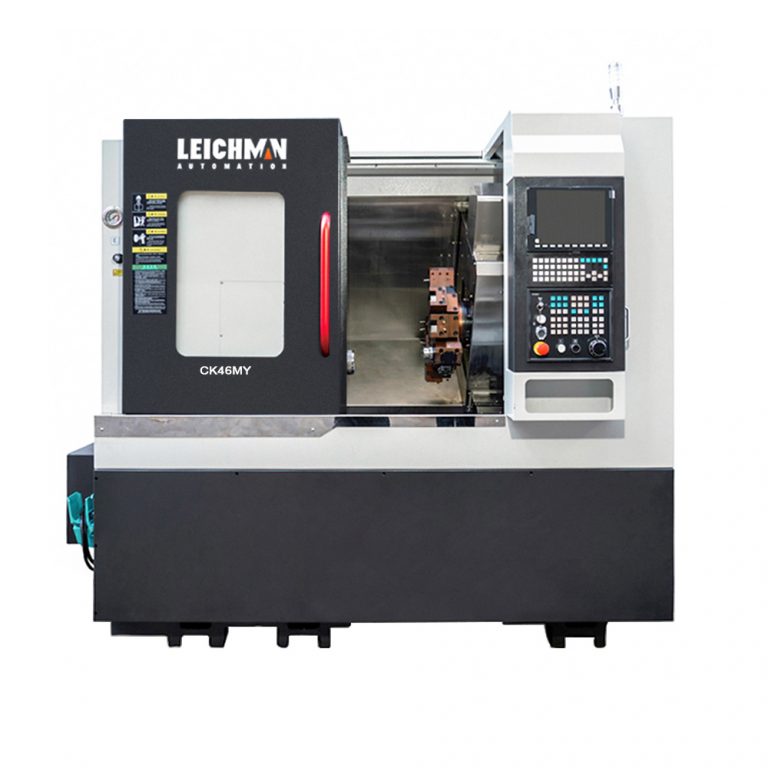
What’s Next?
Here are three shifts I watch closely: 1) Active thermal compensation to keep tolerances tight through a shift; 2) Integrated live tooling with faster turret indexing so multi-op parts don’t stall between cuts; 3) Smarter diagnostics that flag tool wear before a part fails. These things reduce firefighting and let operators think ahead. — funny how that works, right? In practice, you’ll see shorter fixtures, fewer tool checks, and less nervous waiting around. I compare machines by how well they keep the process steady, not by who sells the fanciest screen.
To wrap it up, weigh machines on real metrics: cycle time stability, tool-change time, and thermal drift control. I prefer vendors who share test data, not just glossy photos. Ask for shop-floor trial runs. Try to break the machine on day one — you’ll learn more in an hour of real cutting than in a morning of specs. In my view, honest testing beats clever marketing every time.
Closing Advice: Metrics to Guide Your Choice
I’ll leave you with three concrete metrics I use when advising a shop. First, measure cycle-time variance over a realistic batch (not just a single part). Second, track setup-to-run ratio — how long before you actually cut? Third, check thermal shift over an eight-hour run (test under load). If a machine shows tight numbers on these, it will likely save you money. I’ve seen the opposite, too: machines that looked cheap but cost three times more in overtime and rework. Be skeptical. Ask for references. And when you talk to manufacturers, remember to push on real shop problems — spindle stiffness, coolant routing, ball screw pre-load, and how they tune their servo drives. I want you to walk away with clear criteria, not promises.
We’ve learned to prefer practical proof over marketing claims. I want to see machines that stand up to hard, honest work. If you want a partner who understands those stakes, check out Leichman — they publish solid test data and will put you on the floor for a trial. We owe it to our shops to pick gear that keeps the lights on and the parts right.

