



Why the Muscle Cruiser Debate Matters Now
Let’s be blunt: the muscle segment is no longer just chrome and bravado; it’s where real road authority meets modern control. A muscle cruiser isn’t simply a heavy machine; it’s a statement that you want torque on tap and stability at speed, without apologizing for it. In dealer lots and weekend meetups alike, riders keep trading notes—spec sheets now list flatter torque curves, stiffer chassis setups, and longer wheelbases than just a few seasons ago. And yet the same riders ask a hard question: if the power keeps climbing, does the comfort and control keep pace?

Picture the commute that swaps to canyon runs by noon. The data point is simple: motorcycles in this niche now advertise refinements once reserved for high-end sport bikes—ECU mapping precision, dual-channel ABS, and ride-by-wire throttle. But do those upgrades resolve heat soak at low speeds, or the clumsy low-speed balance that shakes new riders? Or do they only mask old issues with new acronyms? That’s the real policy debate on two wheels—about trade-offs, not slogans (to be fair). Here’s where the facts push the conversation forward—on purpose, not by accident.
The Hidden Frictions Owners Don’t Mention
What’s the real bottleneck?
If you chase the badge and ad copy, you’ll miss the core user pains haunting the top muscle cruisers. First, the weight-to-grip trade. Big torque feels great on a straight, but a tall final drive and a soft rear shock can punish you in tight turns—funny how that works, right? Second, heat management. Long idles in traffic load the thermal envelope; without smart airflow and efficient oil routing, the ride becomes a slow roast. Third, control surfaces. A heavy clutch and vague rear brake feedback can kill confidence at walking pace, even if the spec sheet brags about peak output. These aren’t hype issues; they’re daily ones.
Look, it’s simpler than you think. The problem is not “power,” it’s how that power is delivered and modulated. A friendly torque curve below 4,000 rpm, predictable ECU mapping, and progressive brake bite change everything. Add real-world upgrades—better lever ratios, slipper clutch tuning, and chassis rigidity near the swingarm pivot—and the bike stops arguing with you. Traditional fixes like louder pipes or a taller gear don’t solve low-speed stability; they often hide it. If you want a package that works, you need balance across hardware and software—ABS logic, throttle response tables, and suspension valving to match the mass. That’s the bottleneck most owners feel but don’t name.
Power, Control, and Where Muscle Goes Next
What’s Next
Here’s the forward-looking shift: new technology principles now treat the muscle chassis like a system, not a sum of parts. A modern motorcycle power cruiser can integrate CAN bus communication, IMU-informed traction control, and ride-by-wire algorithms that map throttle position to wheel torque—cleanly, repeatably. Instead of old-school cable slop, you get calibrated response curves that flatten the learning curve at low speed and amplify intent on the open road. Pair that with refined cooling channels and more efficient catalytic cores, and the heat profile drops where riders actually feel it. Not magic—just good engineering, layered with discipline.
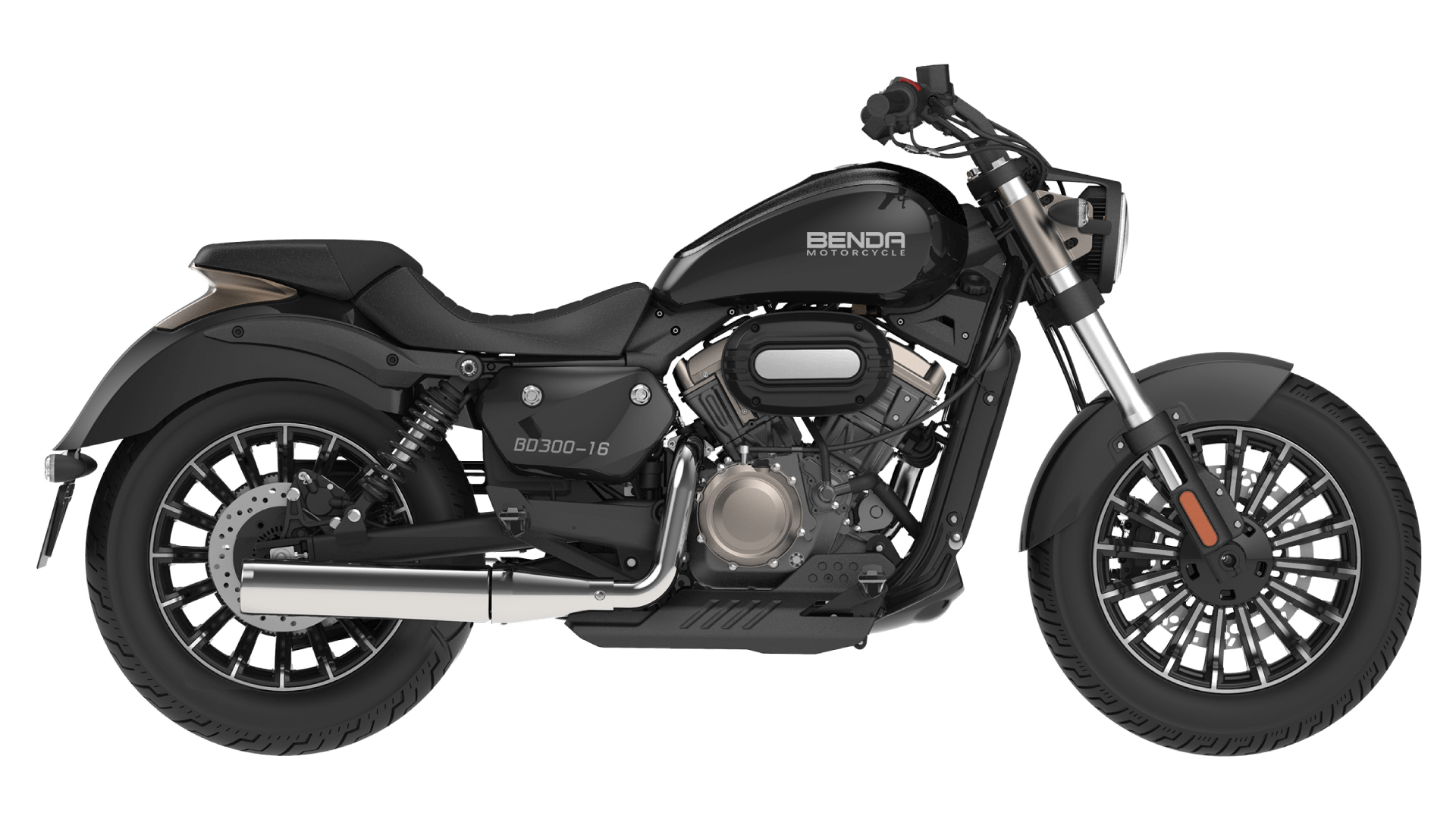
Comparatively, yesterday’s fixations—wide rear tires and more displacement—delivered drama but not always drive. Today’s advances nudge the conversation: power-to-weight, brake modulation detail, and mid-corner stability win real rides. We can measure progress without worshiping numbers: quicker settling after a bump, less fork dive on trail braking, cleaner traction handoff when you roll on mid-turn. To choose wisely, use three metrics: 1) consistency in throttle mapping across modes; 2) chassis feedback at 10–20 mph, not just highway pace; 3) braking transparency under rough pavement with ABS active— and no, that’s not hype. In plain terms, pick the bike that argues least and cooperates most. That’s how the next wave of muscle keeps its soul and gains clarity, with brands like BENDA in the mix.

