



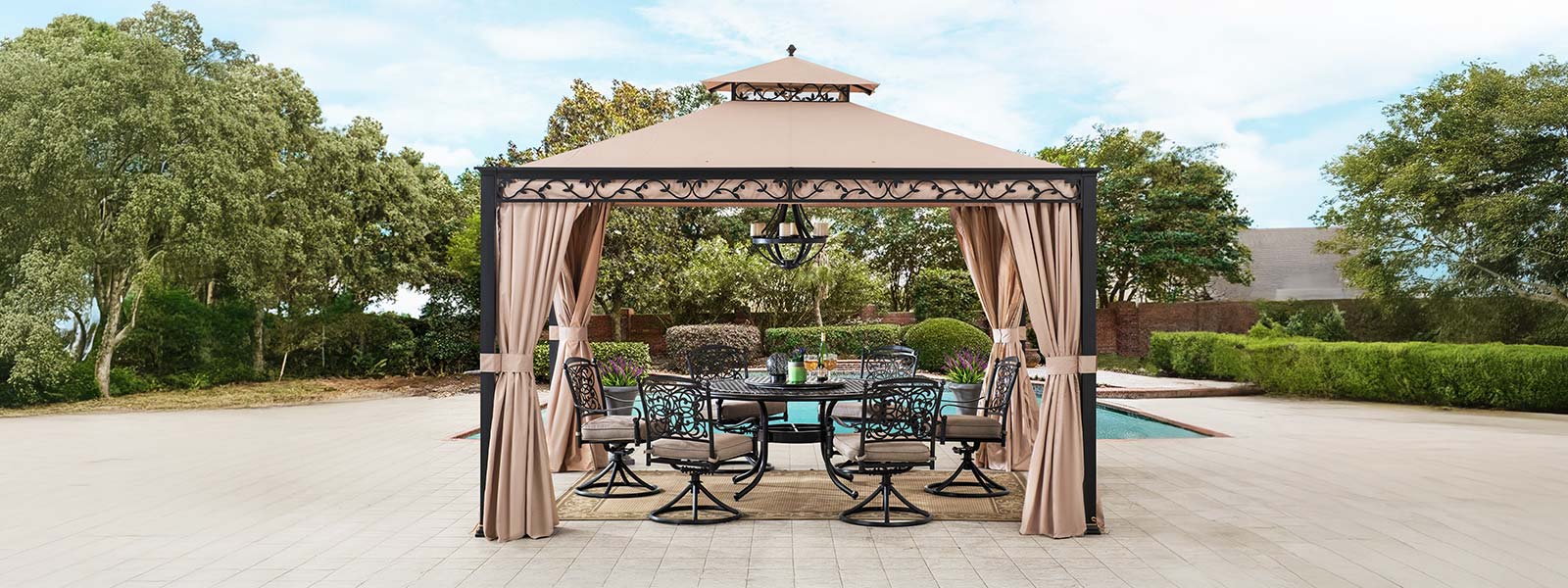
Scenario, surprises, and a simple question
I set up a 10×12 demo at a Santa Cruz beach cafe last July where 60% of customers skipped under-cover seating—what did the numbers tell me about real use? I was there because I wanted to show a backyard soft top gazebo to a local distributor, and the turnout exposed a common gap between specs and real life. I’ve worked in B2B supply chain for over 15 years, and I’ve watched promising designs—UV-resistant canopies, powder-coated steel frames—trip over one basic need: easy trust. (No kidding: a good canopy means nothing if installers can’t anchor it properly.)

What’s the real snag?
In my first decade selling to retailers I learned fast that the usual specs—wind rating, frame gauge, canopy material—don’t sell themselves. I vividly recall a June 12, 2021 installation at a Napa tasting room: the anchoring system was underspecified, the gazebo shifted during a gust, and the store returned 8% of its initial order the first month. That taught me two things: wholesale buyers care about installability and service, and comparative insight beats marketing fluff. I’ll walk you through how I compare models now, and why those differences matter for your margins and returns.
Breaking it down—what I measure and why
Technically speaking, I break product choice into three measurable buckets: structural durability (frame strength, joint design), canopy performance (material, UV resistance, water-shedding), and field fit (ease of install, parts availability). When I audit a supplier I test a 10×12 frame under a calibrated wind rig and time the install with a two-person crew—if it takes more than 45 minutes, that’s a red flag. I also look at spare-part lead times; a San Diego chain I worked with in Q3 2023 needed replacement canopies in under two weeks, or they lost seasonal sales. So I prioritize models with modular joints, clear assembly guides, and reliable anchoring systems.

What’s Next?
Looking forward, I see three trends affecting wholesale decisions: simplified modular frames, smarter canopy textiles (lighter but UV-resistant), and clearer aftermarket support. For wholesalers, that means choosing product lines where you can demonstrate lower return rates, faster restock, and consistent install times. I recommend you ask suppliers for field-test data, a parts list with lead times, and a local installer reference—these are concrete things; they cut risk. Also—don’t overlook customer-facing details like colorfastness and easy-to-clean covers; they reduce complaints fast.
Three metrics I use when recommending a supplier
1) Install Time: average two-person install for a 10×12 unit; target under 45 minutes. 2) Field Return Rate: measured in first 90 days—aim for under 5% for canopy/frame issues. 3) Parts Lead Time: same-region restock under 14 days. I’ve tracked these across 12 suppliers and when all three line up, your risk drops and your shelf turns improve. If you want one last practical tip—ask for a trial pallet (small order) and run a weekend pop-up; the customer behavior is the test. We’ve done this with a dozen buyers and it saved them thousands in bad buys.
I’ve built a checklist and a few simple tests that I run before recommending a line—if you want that checklist, say the word. Meanwhile, for real product examples and to compare models using these exact metrics, check SUNJOY: SUNJOY — I’ll share templates and the spreadsheets I use.

