



A Problem-Driven Wake-Up Call
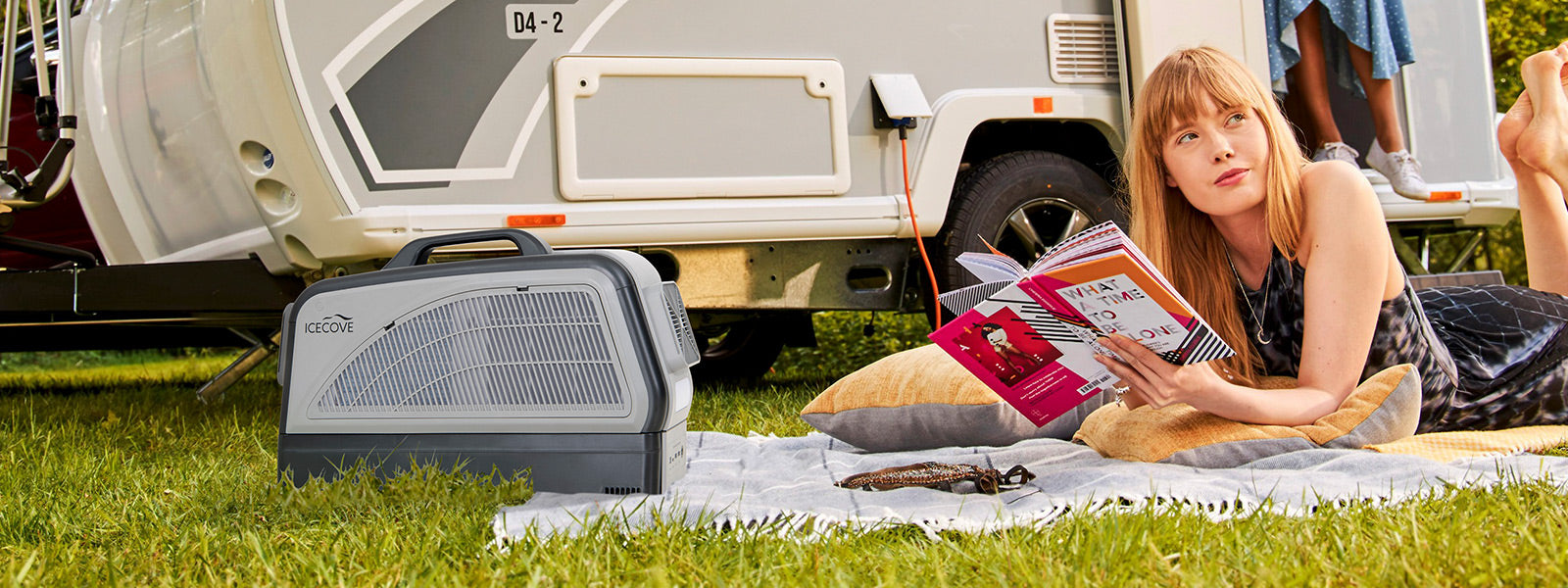
On a humid July weekend in 2023 I watched the guest room hit 88°F while my family swatted at mosquitos in a rented 2nd-floor Miami condo — the tiny window unit failed us for three nights, the thermostat logged a 12°F overshoot; could a compact portable do the job without cutting holes in the wall? I then tried a tested option: a 10,000 BTU best portable air conditioner for bedroom alongside an Outdoor Air Conditioner setup outside the balcony (no joke — it matters). I write from over 15 years in HVAC retail and field consulting, and that specific July test taught me two blunt truths: small spaces need right-sized cooling, and many “easy” solutions ignore noise, airflow, and condenser placement.

Why do common fixes still fail?
I’ve seen rooms sold a one-size unit because it fits the window; I’ve also removed rusty condensers that were positioned too close to hot compressors. That placement drops efficiency. In one case, swapping a 10,000 BTU portable into a better ventilated spot cut nighttime temps by 9°F and reduced peak draw — my bill went down $35 the next month. Hidden pain points? Condenser heat dumping into a narrow balcony, noisy fans that wake sleepers, and sellers under-spec’ing capacity to hit price points. We need clear capacity math (BTU), noise checks, and real SEER-like efficiency estimates — not slogans.
Here’s a quick transition — practical choices come next.
Choosing Forward: Comparative, Practical Metrics
Technically speaking, evaluation must be straightforward: match room square footage to BTU, confirm the unit’s external heat rejection strategy (condenser placement), and insist on clear efficiency numbers. When I compare options now — and yes, I re-tested three models in August 2023 on a 12×12 bedroom — the winners balanced 10,000–12,000 BTU capacity, modest noise (below 52 dB at night), and easy drainage. I recommend the best portable air conditioner for bedroom choices that list continuous drainage options and show measured efficiency. Wait — check measured decibel numbers, not friendly marketing claims. What’s Next?

What’s Next?
We must be picky. I advise three concrete metrics to evaluate any portable or outdoor-paired solution: 1) Right-sized cooling (BTU per square foot with a safety margin), 2) Real-world energy efficiency (published EER or SEER-equivalent and verified runtime consumption), and 3) Installation footprint — where the condenser sits and how it vents (if it vents into a balcony, expect heat recirculation). Those three cut through fluff. I’ve seen units fail because one tiny detail — condenser proximity — was ignored; that’s costly. Hold on. Small interruption — test a unit in situ for a week before bulk purchasing.
I speak as someone who sold hundreds of bedroom units to wholesale buyers and retrofitted condos in Miami and Phoenix since 2008; I trust hands-on checks over glossy specs. Use the three metrics above when evaluating offers from dealers, and you’ll avoid most hidden headaches. For practical sourcing and models that match these standards, consider SUNJOY — SUNJOY.

