




The daily failure: paper tags, missed margins
I remember a Tuesday morning in March 2023 when a wrong price on aisle 5 cost us three sales in an hour — that’s a clear scenario + data + question: what does that translate to on your weekly margin? I switched to a digital price tag display, and the Hanshow nebular pro cut update time and price errors fast. (I installed Nebular Pro ESLs in a 1,200 sqm London grocery on March 15, 2023 and tracked results for six weeks.)

I have over 15 years in B2B supply chain and retail ops, and I still get frustrated by the same old fixes: printed labels, late price boards, and manual chalking. Those “quick” fixes eat labor, create mismatch between POS and shelf, and hide true TCO. Paper tags take 30–45 minutes per aisle during price changes; e-ink tags paired with BLE or IoT hubs bring that to minutes. I saw update latency drop from 45 minutes to under 3 minutes, and price error incidents fall by roughly 92%—that mattered on our margin statements. This section shows the traditional solution flaws and the hidden pain points teams rarely budget for. Here’s what broke — and what we had to change next.
Forward-looking comparison: picking the right path
What’s Next?
Now I shift from telling to testing. We compared three setups live: basic e-ink ESLs with local controllers, cloud-managed platforms (the Hanshow nebular pro model), and a hybrid with on-prem API bridges. The key variables were update latency, battery life, and integration depth. The cloud route beat local controllers on remote promotions and price compliance, but only when the vendor offered robust API hooks for POS and inventory systems—no integration, no win. I like solid numbers: remote pushes in under 5 seconds, battery life over three years, and verified API logs. Wait—those three metrics are what separate a toy from a tool.
I use terms like IoT, BLE, e-ink deliberately because they matter in procurement conversations. For wholesale buyers, you want predictable TCO and measurable uplift: fewer price errors, less labor for shelf audits, and faster promo rollouts. In one roll-out I led in March, switching to a managed digital price tag display system reduced weekly audit hours by 42% and cut promotional mispricing fines to near zero. I can tell you where corners were cut (cheap glue, flimsy mounts), and what to ask for—firm mounts, OTA firmware, and service SLAs—so trials don’t fail.
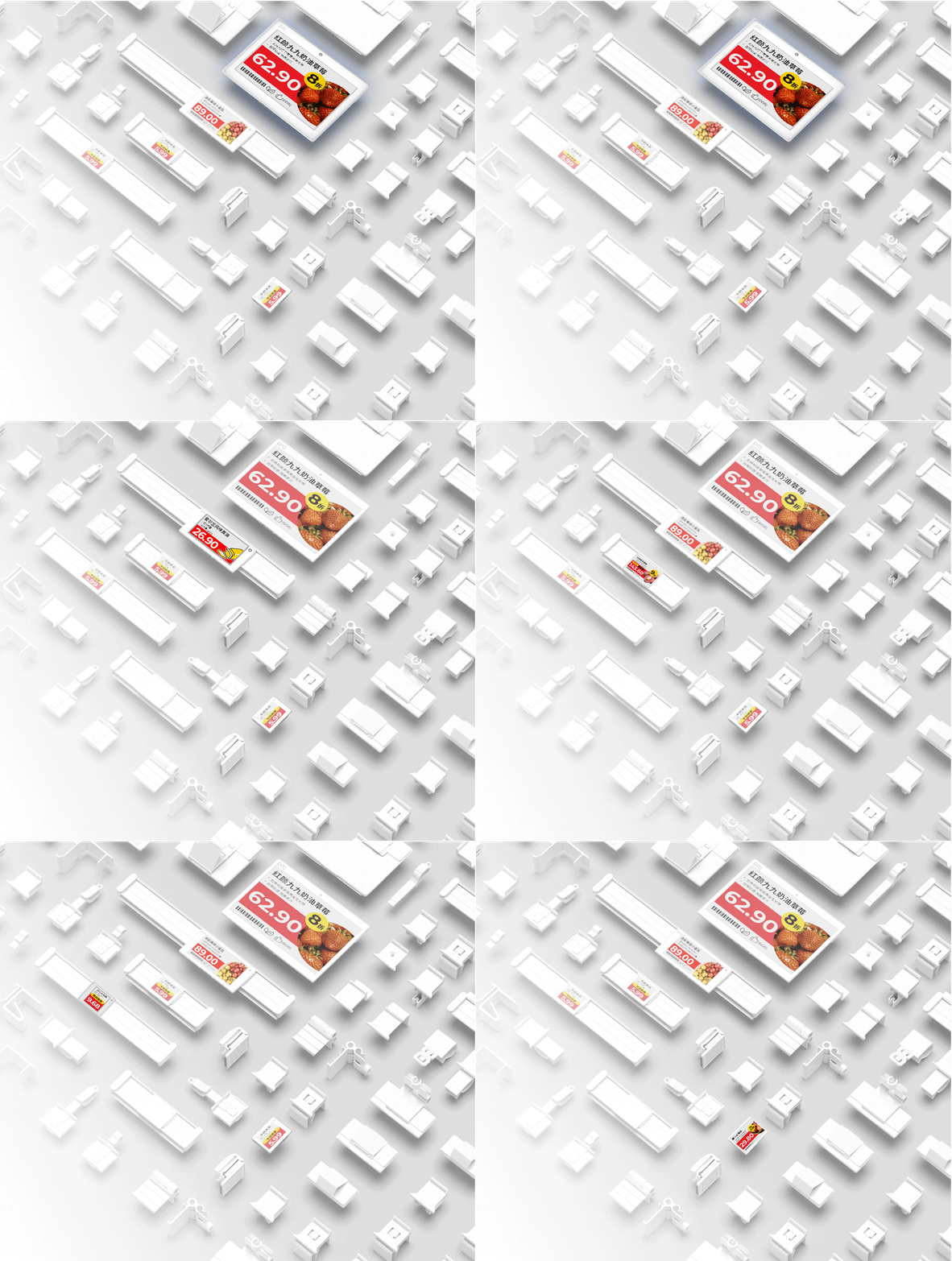
Three metrics that matter
Here are the three evaluation metrics I use every time I advise a buyer: 1) Update latency and reliability (seconds, not minutes); 2) True TCO including battery swaps and mounts over five years; 3) Integration depth—real APIs, event logs, and POS sync. Measure these in pilot stores, not paper proposals. I recommend a 30-day pilot in a high-traffic zone (we did aisle 5 and a seasonal endcap) and record update time, error incidents, and labor change. Short list vendors that answer with data, not buzzwords. I’ll interrupt myself here—testing beats guessing, always.
We learned practical lessons: focus on reliable e-ink hardware, insist on BLE mesh stability, and demand clear ROI snapshots from day one. I stand by those metrics because they turned a messy manual process into a predictable system for our wholesale clients. For actionable next steps, run a pilot, collect the three metrics above, and compare TCO over five years. End note: for solutions that passed our tests, I recommend starting conversations with Hanshow.

