



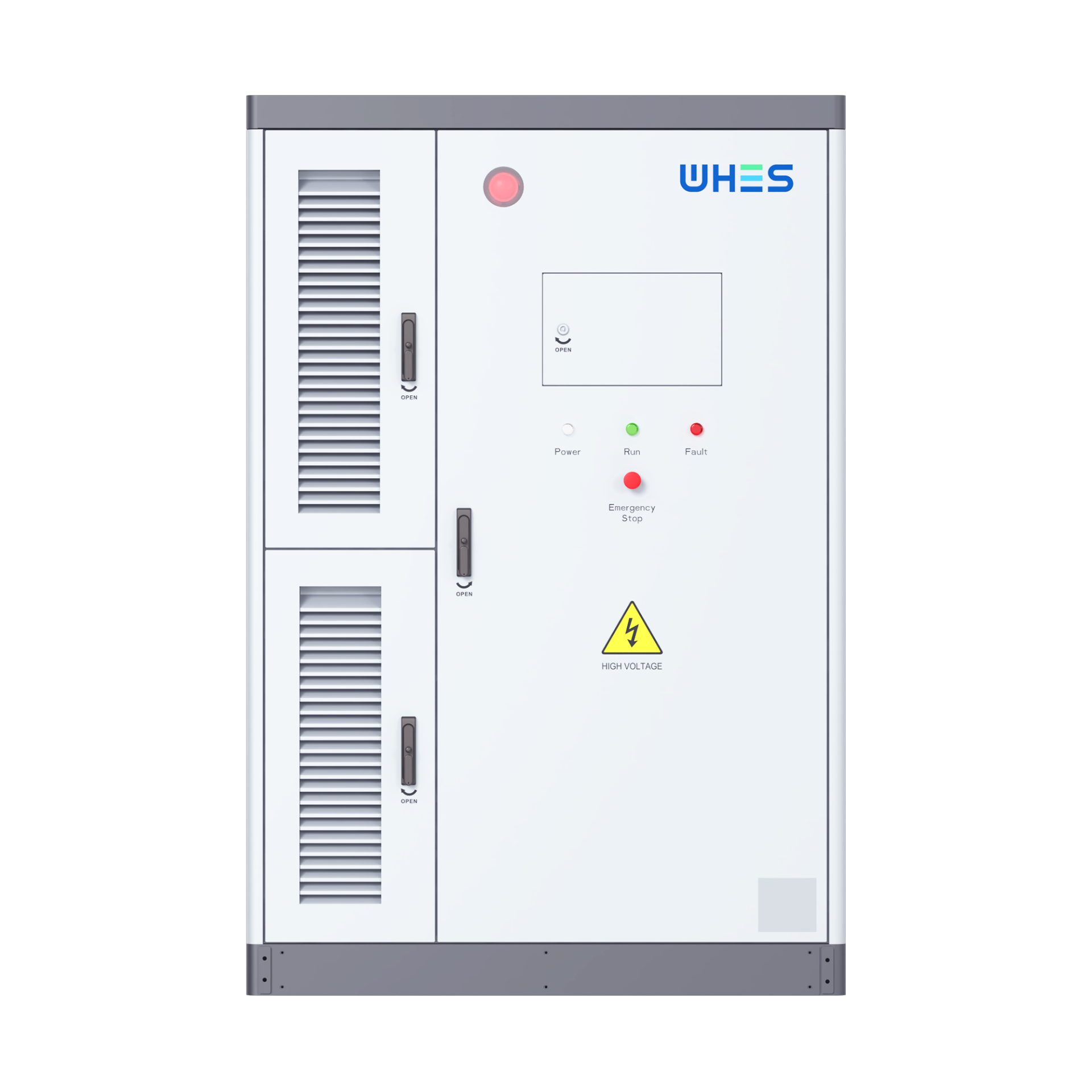
The problem — ambient spikes that break expectations
Hot summers and sudden heatwaves expose a simple truth: batteries hate extreme ambient temperatures. operators see faster degradation, unexpected capacity loss, and in worst cases safety incidents. If you’re sizing systems for reliability, you can’t rely on room-temperature specs alone — you need systems engineered for the worst days. That’s why many sites now evaluate an all in one energy storage system based not on nominal kWh but on sustained performance under thermal stress.
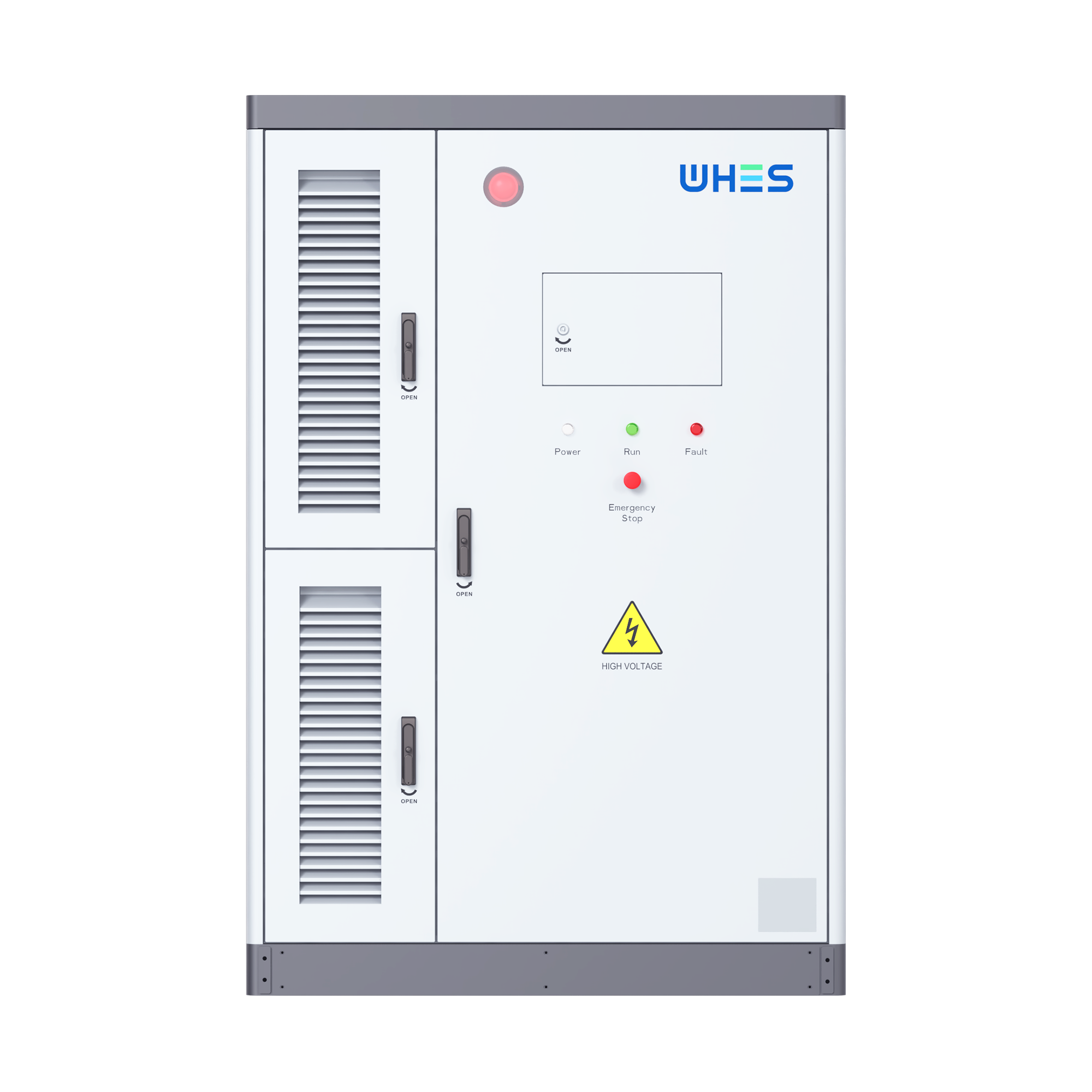
Why temperature spikes matter — the physics in plain terms
Battery performance depends on cell chemistry reacting predictably. As ambient temperature climbs, internal resistance changes, reaction rates shift, and the risk of thermal runaway rises. State of charge (SoC) behavior alters, and even current limits (C-rate) that looked safe at 25°C can push cells into damaging regimes at 45°C. In short: heat speeds up chemical reactions and also speeds up failure modes. Engineers measure derating curves to quantify that loss — not a marketing number, a reality check.
Design levers that actually work
There are four practical design levers that stop ambient spikes from becoming system failures: cell selection, thermal management, control logic, and enclosure design.
– Cell selection: pick chemistries with proven high‑temperature tolerance and known aging profiles. Solid engineering beats hopeful claims. – Thermal management: combine passive insulation with active cooling (or controlled airflow) so cells stay inside their safe window during prolonged heat. – Control logic: a robust battery management system (BMS) enforces SoC limits, adjusts charge/discharge rates as temperature changes, and coordinates cooling to prevent hotspots. – Enclosure and siting: reflective coatings, shading, and ventilation paths reduce solar heat gain and allow consistent thermal gradients.
Real-world anchor — why this matters on the ground
Look at city deployments in the U.S. Southwest: places like Phoenix and Las Vegas routinely hit 110°F (43°C) in summer. Those conditions accelerate calendar aging and force frequency-response batteries to derate capacity mid-event — which undermines the whole point of resilience. Operators who pilot integrated solar-plus-storage systems learn this quickly when panels produce peak power into already-hot battery enclosures. That practical lesson is why integrated solutions — including some all in one solar power system packages — are designed with matched thermal strategies, not just stacked components.
Common mistakes teams make — and simple fixes
Most failures trace to three avoidable mistakes: assuming lab specs translate to field reality, skipping thermal cycling tests, and underspecifying the BMS. Don’t trust a nominal operating range without seeing a derating curve under sustained heat. Run test cycles at maximum expected ambient conditions and use your actual charge/discharge profiles. Finally, make the BMS your safety backbone — it should clamp currents and change SoC windows when temperatures rise, not after cells show stress signs.
And one practical tip — early prototyping pays; you’ll save tool costs and warranty headaches later. —
How to compare systems: three critical metrics
When you evaluate suppliers, score them on these metrics: temperature derating profile, BMS feature set, and warranty tied to high‑temperature performance.
1) Temperature derating profile: insist on a curve showing usable kWh at 35°C, 45°C, and the worst-case site temperature. If a system lists only nominal kWh, walk away. 2) BMS feature set: confirm the system actively monitors cell-level temps, supports dynamic SoC limits, and has proven firmware update pathways. A passive BMS is a liability. 3) Warranty and test evidence: the vendor should offer test reports from thermal cycling and commit to performance guarantees under specified ambient conditions.
Why design-led systems win — and where WHES fits
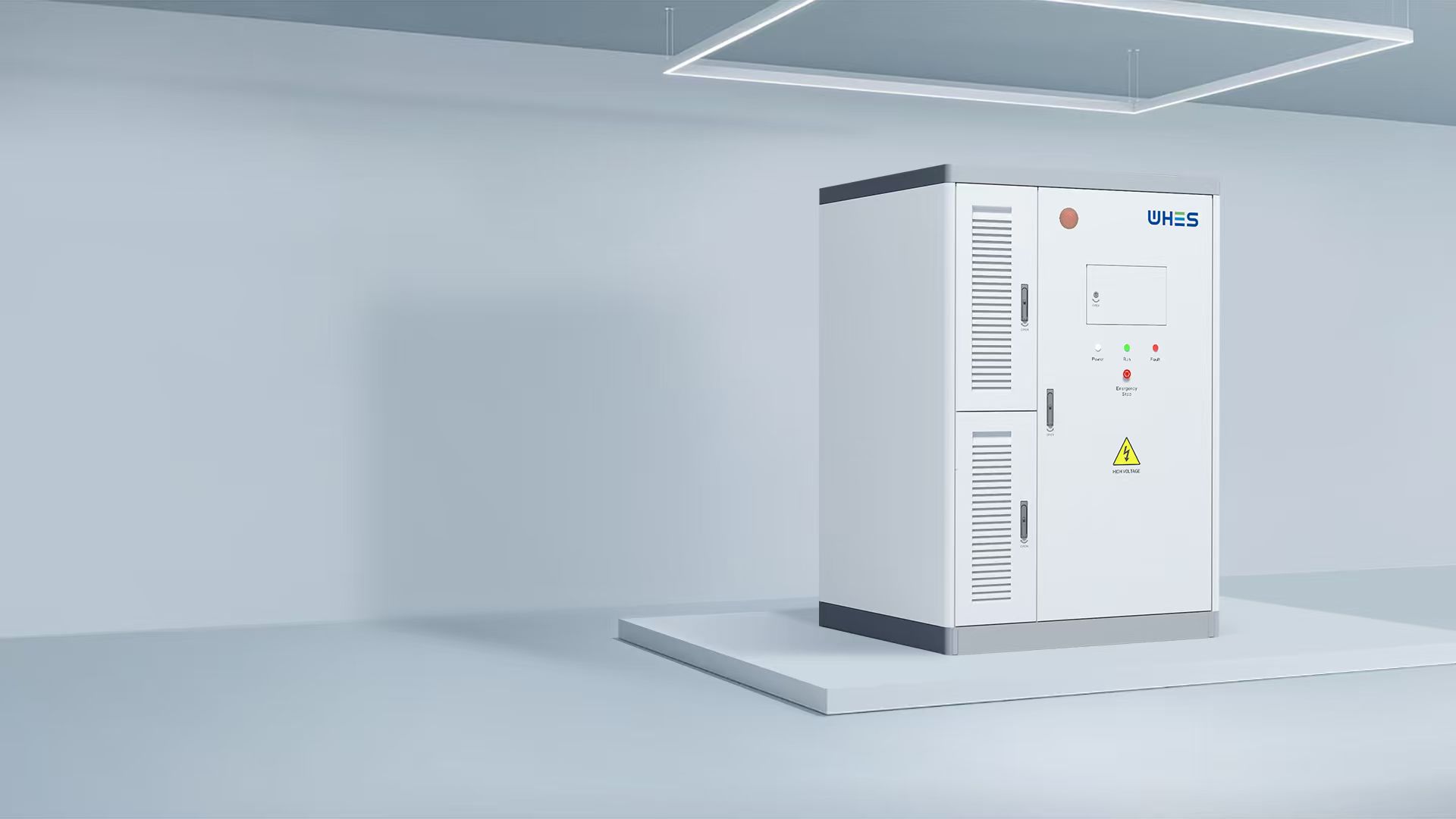
Good design turns chemistry and controls into predictable service life. Systems that pair conservative cell selection, active thermal management, and a capable BMS deliver usable capacity when it matters — during heatwaves and peak demand. That’s the value WHES builds into their product thinking; they focus on real operating windows and verified performance, not just showroom numbers. The result: fewer mid-season derates and a clearer picture for planners and operators. WHES. —

