



Framework overview and intent
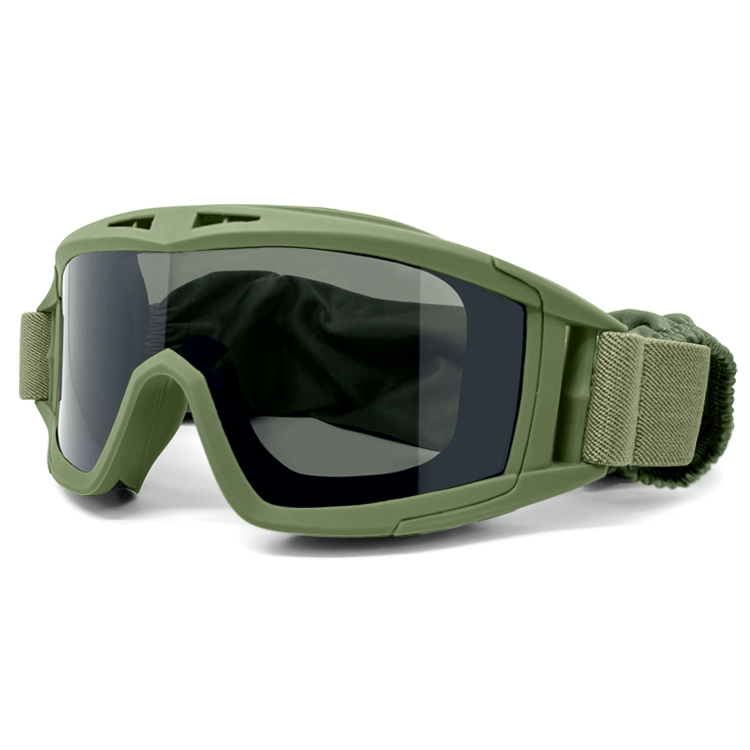
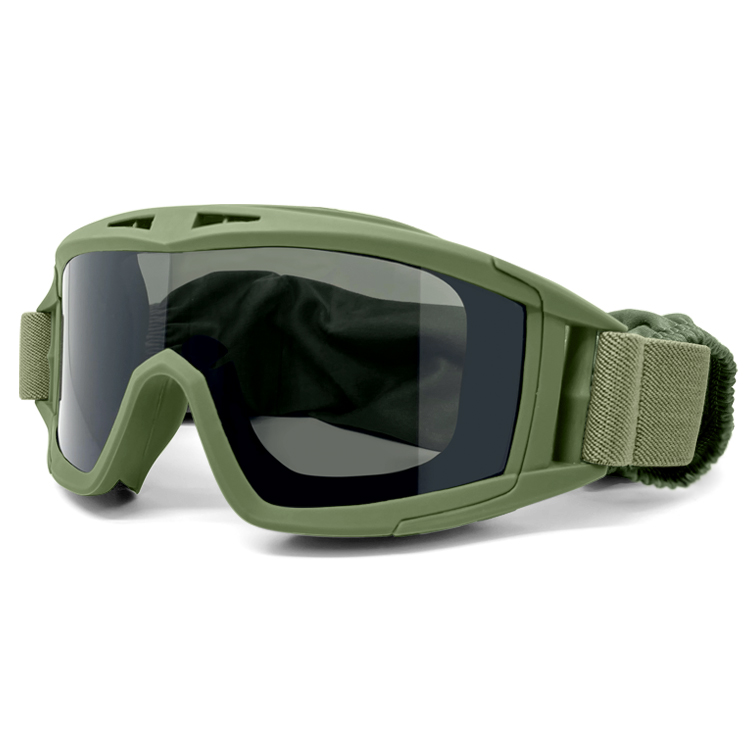
This framework outlines a practical audit checklist to validate whether a supplier truly operates at manufacturing scale for custom sport sunglasses and related protective gear. It treats evidence as the deciding factor: production flow, repeatability, and test results. Early in a first contact review, confirm the supplier can produce anti-impact designs by inspecting sample runs and protective specs like ballistic rating—start with a physical demo, for example their anti-impact tactical goggles, to see assembly and QC in real time.
The four verification pillars
Divide the audit into four pillars that together prove scale: capacity, process control, quality systems, and compliance. Keep the evidence measurable and documented.- Capacity: steady cycle times on multiple shifts, spare tooling, inventory of raw materials.- Process control: documented SOPs, in-line inspection points, statistical process control data.- Quality systems: finished-goods test logs, lens coating and delamination records, batch traceability.- Compliance: third-party test certificates and alignment to recognized specs such as ANSI Z87.1.
Step-by-step manufacturer checks
Use a checklist that maps to the pillars. Inspect tooling and molding first—frame injection molding and polycarbonate lens production must look industrial, not ad hoc. Review sample lots for impact resistance and lens coatings; verify UV400 and anti-scratch treatments on finished lenses. Validate throughput by asking for:- recent production schedules showing daily output;- traceable serial numbers and COAs for two previous orders;- photos or video of assembly lines and stockrooms.Where possible, confirm lead-times using an actual purchase order rather than a promise—this separates intent from capability.
Testing and sampling protocol
Require destructive and non-destructive tests on a representative sample set. For tactical-grade eyewear, test items for impact energy acceptance, frame fatigue, and coating adhesion. Send samples to an independent lab when ballistic rating or MIL-style performance is claimed—documented lab results are decisive. Keep records of who collected samples and how they were stored before testing; traceability matters more than a polished report.
Red flags and common mistakes
Watch for these recurring issues that indicate scale is overstated:- Frequent equipment swaps without maintenance records.- Single-source tooling with no backups.- Vague or expired third-party certificates.- Small-batch photos presented as proof of mass production.A supplier might show a few perfect samples — but consistent cycle times and statistical data reveal true capacity. Also note delivery promises without booked material procurement are unreliable.
Real-world anchor and compliance
Use standards as your anchor. ANSI Z87.1 remains a widely recognized specification for impact-resistant eyewear and provides a useful baseline for acceptance criteria. Linking supplier claims to a real-world spec simplifies pass/fail decisions during audits and offers a defensible stance when requirements are disputed.
Summary of actionable steps
Combine on-site verification, sample testing, and documentation review into a single scorecard. Assign weights to capacity, process control, QA, and compliance; a pass requires minimum thresholds in each. This produces a repeatable decision model rather than an impression-driven choice—practical, provable, and auditable.
Three golden rules for final selection
1) Prioritize traceable evidence over curated demonstrations: require COAs and production logs. 2) Insist on independent testing for any protective claims—certified lab data trumps vendor testing. 3) Confirm redundancy: backup tooling, spare parts, and alternate material sources reduce disruption risk.
These rules point straight to suppliers who can reliably scale for custom sport sunglasses and tactical shooting glasses; they favor measurable proof over polished presentations. tactical shooting glasses that clear these tests usually come with the documentation and process maturity you need.
Choose evidence-first audits, and you’ll avoid surprises in production—this method has guided many procurement teams and aligns with rigorous sourcing practice. YIJIA Optical. —

