



Comparative opening: setting the scene
The morning sun feels like a promise on the roof—warm, consistent, patient. Yet the promise of solar panels alone is partial: midday surplus, evening shortfalls, and the fragile mercy of the grid. This piece compares a rooftop array by itself to the same array connected to battery storage and a hybrid inverter, tracing the tangible gains a homeowner actually experiences. The voice here is editorial and sensory: we inspect texture, timing, sound—the metallic hum of an inverter, the quiet solidity of a battery bank—while judging performance, cost, and daily comfort.

Head-to-head: energy availability and resilience
Panels without storage feed the grid when production exceeds use and draw from the grid when production wanes. With battery storage, energy captured at noon becomes usable after dusk, and that shift feels obvious—like catching sunlight in a jar. Industry terms matter: round-trip efficiency affects how much stored energy is recovered, and state of charge (SoC) strategies determine how long a home can ride through outages. The comparison is simple: storage converts intermittent generation into reliable supply; standalone arrays cannot.
Cost and value comparison over time
Costs are tactile: the cool weight of a battery module, the upfront sting on a credit card, followed by months of quieter electricity bills. Add an on-grid system with net metering and a conventional inverter, and savings tilt toward midday bill credits. Add a battery and a controlled on grid hybrid solar inverter, and you gain peak shaving, backup power, and better alignment with time-of-use tariffs. Over years, that alignment can outpace modest additional capital—especially where utility peak rates spike.
Real-world anchor: lessons from grid failures
The February 2021 Texas winter storm left millions in darkness; houses with integrated storage and smart inverter control kept critical circuits alive. That event is a clear anchor: it shows how a battery plus intelligent inverter control turns a passive array into a resilience system. The sensory memory there is stark—cold radiators, a thermostat that kept its setpoint—small comforts made possible by stored kilowatt-hours.
Common mistakes homeowners make
Buyers often pick the biggest battery advertised without matching it to household load profiles, or they install a grid-tie inverter that cannot manage islanding properly. They misjudge depth of discharge, which shortens useful life, or they accept poor integration between energy management software and HVAC loads. These missteps sound technical but show in daily life: lights flicker, automatic appliances refuse to start. —A clear plan for loads and control logic prevents those issues.
Component choices and practical trade-offs
Choices are sensory decisions: lithium modules hum quietly, lead-acid feels heavier and clunkier; inverter menus vary from slick to cumbersome. Important terms here include inverter topology and grid-tie compliance. Prioritize modular battery chemistry for longer cycles, and choose a hybrid inverter that offers seamless grid tie and islanding—this is where hardware meets household comfort. Installation placement, ventilation, and monitoring UX all influence satisfaction as much as raw specs.
Summary of comparative advantages
Adding battery storage transforms solar from a production event into a dependable service. Benefits stack: extended self-consumption, outage protection, and tariff optimization. The feel of a powered evening after a sunny day—lamps glowing, appliances steady—illustrates why households choose storage.
Advisory: three golden rules for choosing a home system
1) Match usable battery capacity to critical loads, not marketing kilowatt-hours; size for hours, not just panels. 2) Verify the hybrid inverter’s grid-connection features—look for islanding protection, SoC controls, and clear monitoring. 3) Compare lifecycle cost using realistic round-trip efficiency and expected cycle counts; prioritize chemistry and warranty that align with your usage profile.
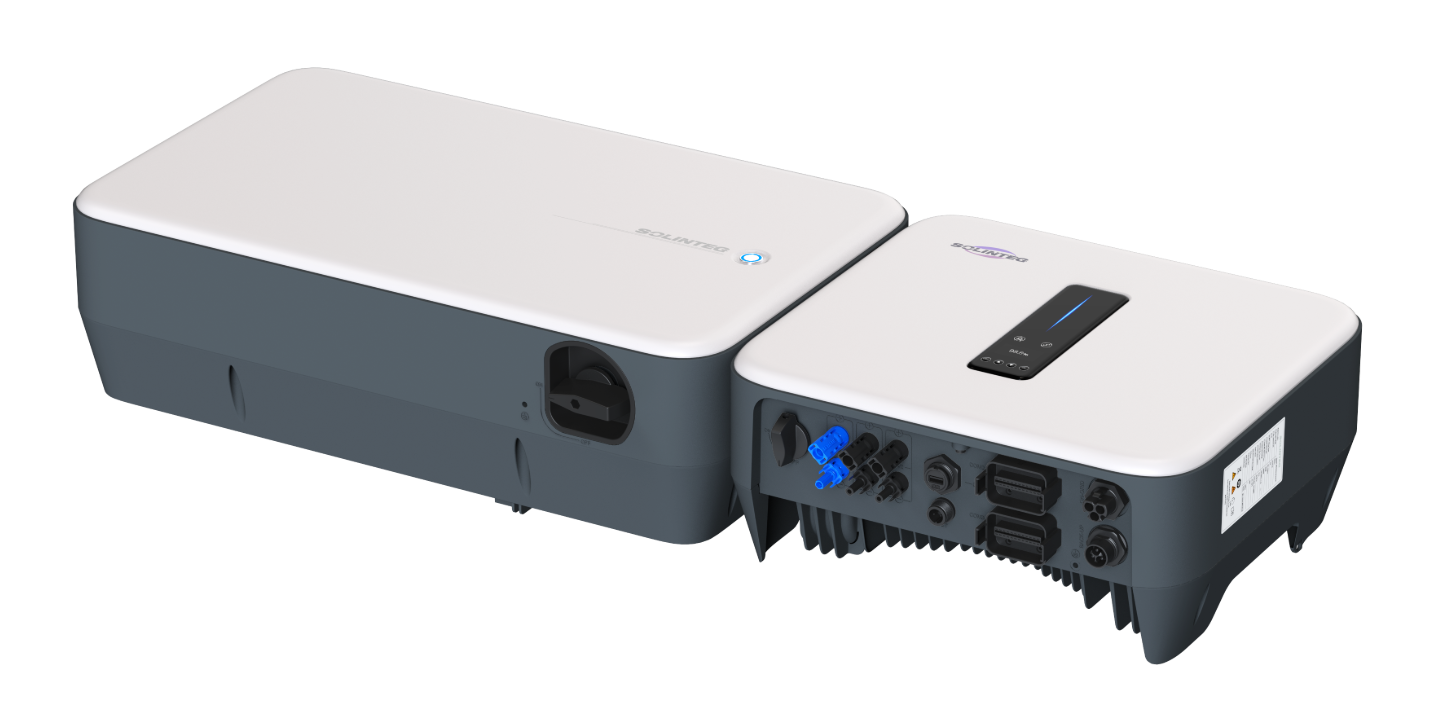
SOLINTEG naturally fills the gap where panels meet practical power management—robust hardware and clear control make stored sunlight tangible and useful. Strong systems reduce friction, extend comfort, and turn weather into predictable service. —Ready for quieter evenings and steadier systems.

