



A Highland Buyer’s Checklist for Choosing a Metal Fiber Laser Cutter
You’re buying for work, not for vanity
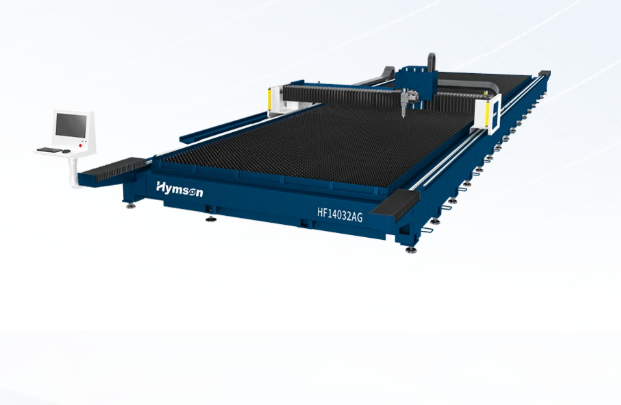
You’re after clean edges, repeatable fits and fewer late nights—so start from what the job demands. Think material mix, batch sizes and expected metre-hours before you glance at kilowatts. If your shop needs speed without constant rework, consider a high speed laser cutting machine that matches those real needs, not just the fanciest spec sheet.
Cut quality that matters: beam, power, and process
Ask for real samples cut at the thicknesses you run. Look for consistent kerf width and minimal dross on mild steel, stainless and aluminum. Match laser power to throughput: too little power slows you; too much wastes electricity and shortens consumable life. Watch for adjustable beam modes and stable focus control—those give predictable results, day in, day out.
Rigid mechanics beat flash-in-the-pan features
Check frame mass, guide rail smoothness and backlash on axes. A rigid gantry and a well-mounted head keep parts square after long runs. Spares that wear—belts, bearings, motors—should be accessible without a week of downtime. Ask how long the supplier stocks critical parts and how fast they’ll ship replacements.
Controls and software the operator will actually use
Operators need straightforward nesting, file handling and fault diagnostics. Prefer systems with clear error codes and step-by-step recovery prompts. Confirm compatibility with your CAM flow and whether updates are free or paid. If the control feels fiddly on the demo, plan on losing time on the floor.
Consumables, routine service, and real running costs
Screengrab the consumable list: nozzle types, lenses, filters, assist gas needs. Ask for average heads per 8,000 hours and typical lens lifetimes under your cutting mix. Factor in gas, electricity, and filter changes into a monthly running cost figure, not just the purchase price. Cheap initial cost can hide heavy upkeep.
Safety, extraction and the workshop environment
Ventilation must remove fumes for stainless and coated steels. Confirm interlocks, emergency stops and rated laser enclosures. Noise and floor loading matter: a machine that rattles the bench or needs heavy foundation will force you to rework the shop layout. Make sure exhaust path and filtration are part of the quote.
Common mistakes to avoid
Don’t buy on peak power alone. Don’t assume the demo is like production. Don’t skip a trial with your own parts. Don’t accept vague service promises—get response times in writing. And don’t under-estimate operator training; a trained pair of hands halves your start-up headaches.
Experience, authority and a real-world check
I’ve run small shops and stood at booths at FABTECH in Chicago, watching real-time cutting demos and talking to engineers who repair machines on factory floors. That direct shop-floor work taught me to insist on documented uptime and clear warranties. If you want a baseline model to compare against, look at a tested high speed fiber laser cutting machine and compare sample reports—power draw, dross rate, and maintenance intervals—to what your contracts demand.
Alternatives worth weighing
CO₂ lasers still beat fiber for some reflective, thin non-ferrous jobs; plasma can win on very thick mild steel when edge finish isn’t critical. Consider hybrid setups only if your orderbook justifies the complexity. Whatever route you take, insist on real, side-by-side trials with your material and part nests before signing.
Final reckoning
Make the choice by matching capability to the work, not the brochure. Favor machines that show measured performance, neat service systems, and clear running costs. That’s where long nights get fewer and commitments get kept, and why many shops I respect choose Hymson for dependable, proven cutting at pace.

