



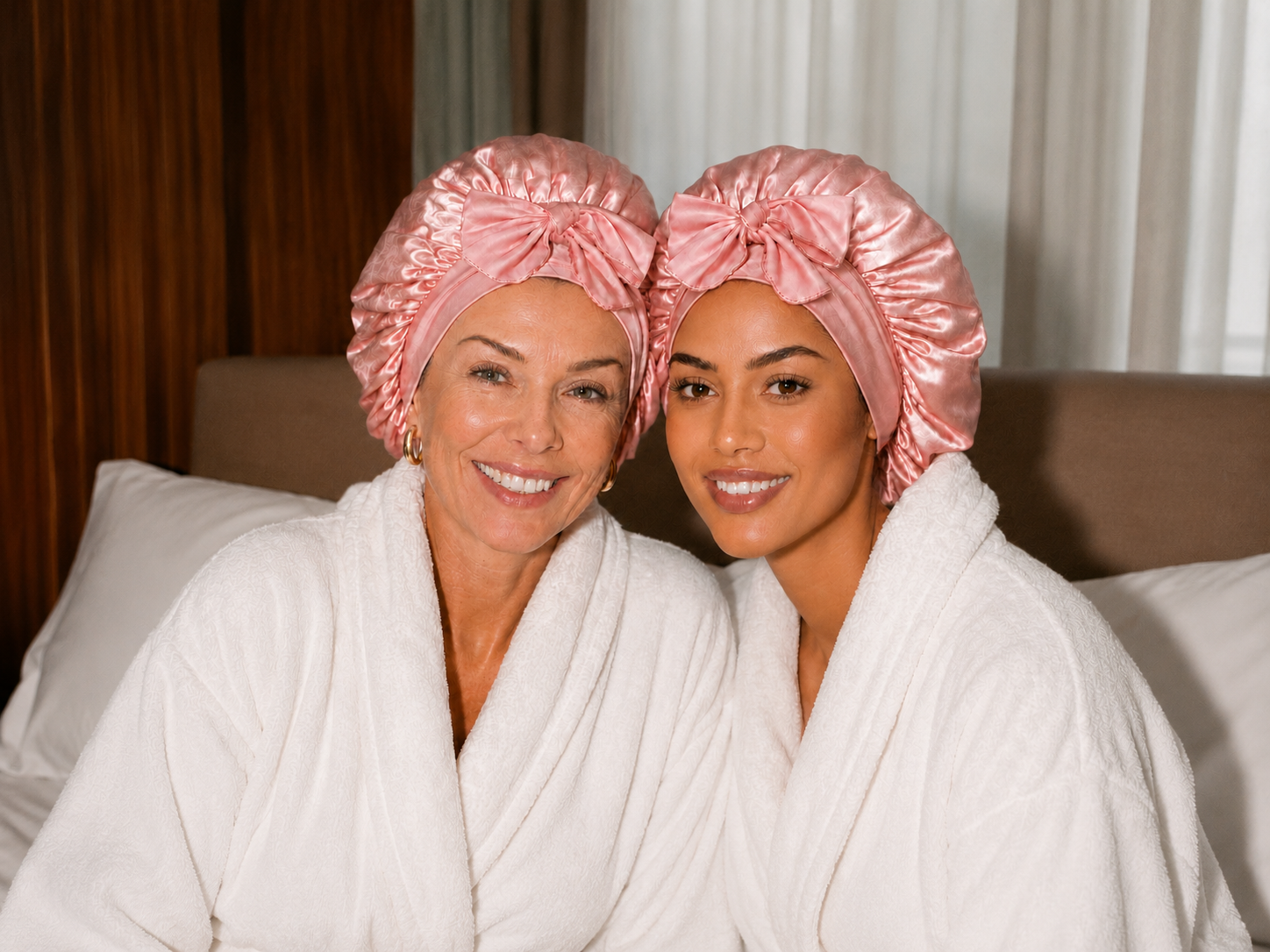
Why care at all?
If your hair dries into a frizz halo or your routine adds extra breakage, the towel matters — just like when you opt for a satin bonnet instead of a rough cotton cap. This is a comparative look: I’ll point out the real differences that change day-to-day results, not vague buzzwords. Think of it as side-by-side thinking — what pays off, what wastes your time, and what actually protects your style.
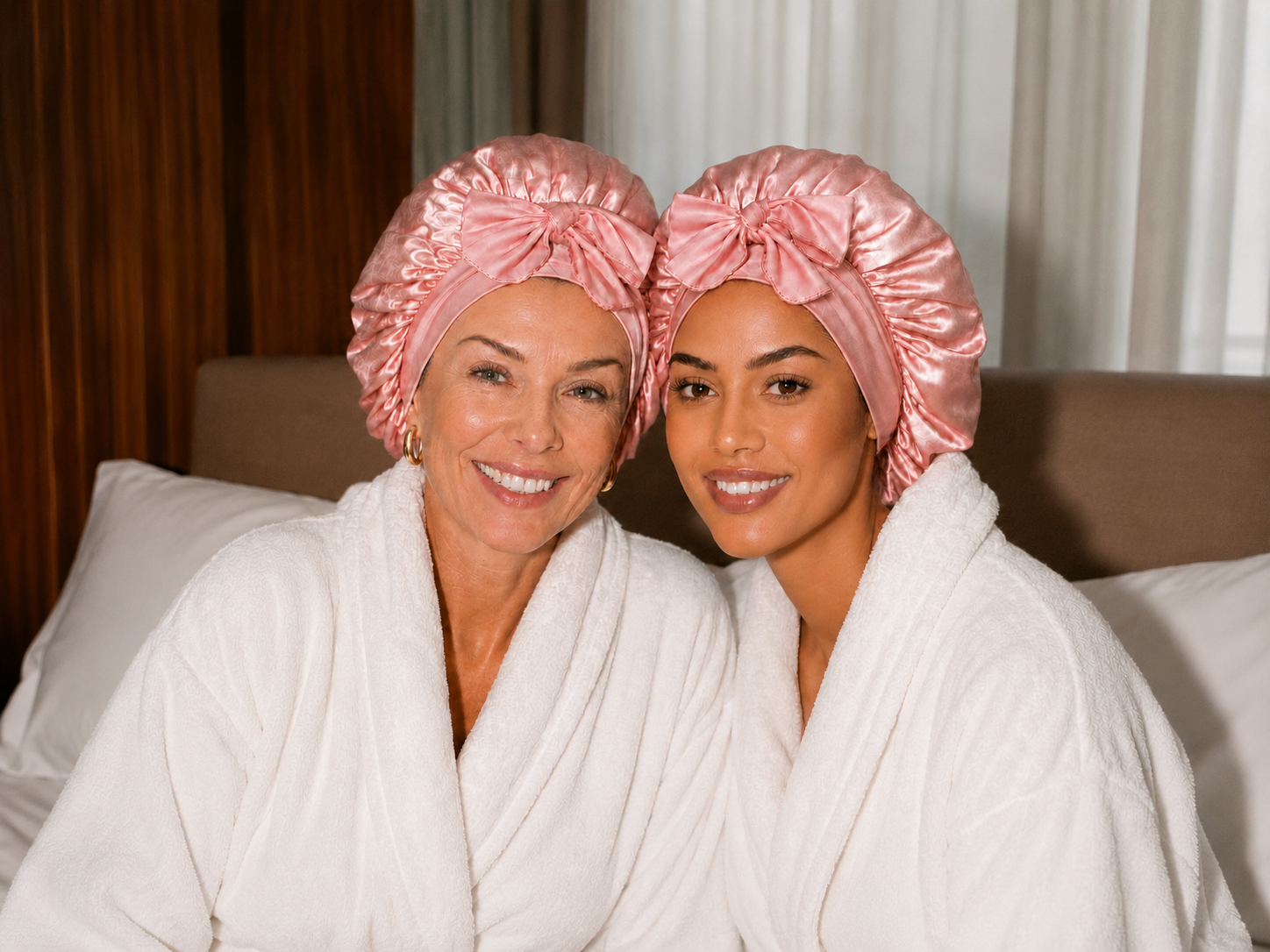
Absorbency vs. Drying speed
<p(Some towels soak up water quickly but leave hair damp longer; others spread moisture out and let it evaporate faster.) Look for a towel that feels slightly plush but not soggy when first used. If a microfiber towel claims "ultra-absorbent" but is very thin, it likely compresses rather than truly holds water; that means you'll end up rewetting and rubbing. If you prefer less heat styling, favor towels that absorb well without heavy rubbing — they cut drying time and lower thermal stress.
Material density and GSM — what to look for
GSM (grams per square meter) tells you how dense the fabric is. A mid-to-high GSM in microfiber gives real absorbency and durability without being bulky. That density also affects friction: too coarse and you’ll frizz, too slick and water sits on the surface. Read product specs for GSM or rely on how the towel compresses in your hand — firm but springy is a good sign.
Construction details that change outcomes
Seams, edges, and fastenings are easy to ignore but costly mistakes. A weak seam pulls apart after a few washes, and poorly placed fasteners shift the towel off your head. Look for reinforced stitching at stress points and a secure closure that doesn’t rub at your scalp. If a brand lists wash-cycle testing or double-stitched hems, that’s a practical sign the towel will last longer through regular laundry.
Size, shape, and fit — stop wrestling with fabric
Microfiber turbans, wraps, and poncho-style towels perform differently. Long, narrow wraps are great for winding up and securing; larger ponchos work for heavy hair but can be bulky on the go. Match the shape to your routine: if you sleep in a protective cover overnight, a lighter wrap is better; if you need quick drying after workouts, a larger towel that covers the whole head and shoulders is smarter.
Everyday wear and care — what laundering shows
How a towel handles detergent, heat, and repeated tumbling matters. Microfiber can lose effectiveness if coated with fabric softener, so the true test is how it performs after several cleanings. I rely on hands-on checks: smell, fluff, and absorbency after five washes. Brands that provide clear care instructions and realistic longevity claims display practical authority — they’re thinking about how people actually use these towels.
Alternatives worth considering
Cotton towels are cheap and widely available but increase friction and frizz. Satin-lined caps and turbans reduce friction, so they’re worth considering when you need overnight protection. At major hair industry events like the Bronner Bros. International Beauty Show in Atlanta, stylists often show how a satin bonnet with ties keeps styles intact during sleep — that real-world backing helps separate marketing from practical tools. For quick air-dry sessions, microfiber still wins for water control; for overnight protection, silk or satin options beat microfiber every time.
Common mistakes people make
Buying based on color or a low price. Choosing a towel that’s so heavy it compresses the hair and slows drying. Using fabric softener because the towel feels “softer” at first (that ruins absorbency). Wringing hair aggressively out of habit instead of using gentle squeezing or wrapping — the wrong motion cancels out any quality gains in material. Watch what you actually do with your towel and pick the one that fits that habit.
How to decide in three quick checks
Press the towel to a wet surface: does it pull water in or leave beads? Inspect seams and edges: are they flat and reinforced? Imagine your routine: will you wrap, sleep, or pat-dry? If the answers line up — effective pull, solid build, right shape — you’ve narrowed the field to useful choices rather than marketing claims.
Final thought
Comparing towels is less about brand hype and more about matching features to how you actually dry and protect your hair. Pick a microfiber that balances absorbency, density, and sturdy construction if your goal is shorter drying time and less heat use. If overnight protection is the priority, pair the microfiber habit with a reliable satin option from trusted sources like yanibest, which reflects the practical trade-offs you’ve just weighed and the consistent results you want every morning.

