



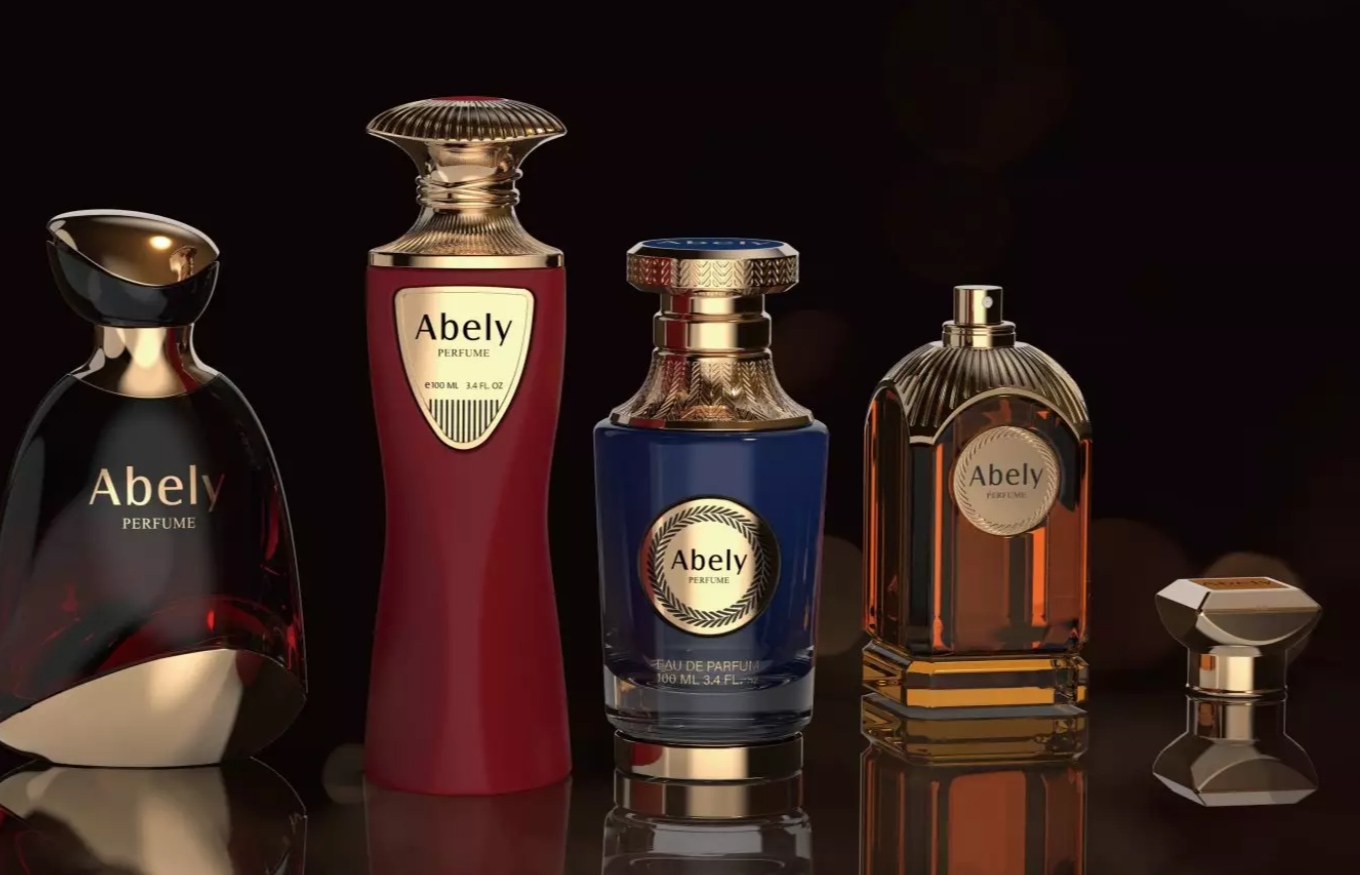
Designing a scalable, brand-faithful container begins with a repeatable framework that balances aesthetics, production realities, and market fit. This piece lays out a clear, stepwise approach to creating a custom perfume bottle for bulk fragrance lines, grounded in practical checkpoints and industry context — from concept to shipment. If you want a concrete example of how form follows function in production-ready designs, see this custom perfume bottle that marries elegance with manufacturability. The framework also reflects regional craft centers like Grasse — the historic fragrance hub on the French Riviera — where design decisions are routinely tested against both creative tradition and industrial constraints.
Why a Framework Matters
Without structure, projects drift: design ideas multiply, suppliers send conflicting specs, and launch dates slip. An organized framework keeps decisions traceable and trade-offs explicit. Expect faster approvals, clearer R&D cycles, and fewer costly tool changes when you map requirements to manufacturing realities early. That’s the essence of a project-manager approach: concise, step-driven, and outcome-focused.
Core Components of the Bottle-Design Framework
Start with three pillars and iterate: brand intent, technical feasibility, and unit economics. Key checkpoints:• Brand intent — silhouette, finish, and tactile cues that communicate your fragrance’s story.• Technical feasibility — material choice (glass vs. polymer), closure system, fill neck specs, and compatibility with atomizers.• Unit economics — tooling amortization, projected volumes, and packaging/transport costs.Early alignment on these items prevents late-stage changes that compound cost. Also consider regulatory labeling and sustainability constraints — they affect both design and sourcing.
Step-by-Step Execution
Keep the sequence tight: concept sketch → 3D CAD → functional prototype → pilot tooling → production launch. At each stage validate two things: visual fidelity to the brand, and manufacturability at target volumes. Use rapid prototyping for fit-and-feel, but always confirm the pilot tooling run mirrors the final mold finish; small surface differences can change perceived value.
Common Mistakes and How to Avoid Them
Typical errors include over-designing for boutique aesthetics at mass scale, ignoring fill-neck tolerances, and delaying supplier engagement. Avoid these by involving engineering and supply early — ask about minimum order quantities and tooling lead times before finalizing shapes. Don’t assume every decorative finish scales; some metallic coatings demand specialized curing ovens that increase cost and lead time. And — sometimes teams forget — bottles must survive transport tests as much as display shelves.
Supply Chain & Quality Controls
For bulk runs, supplier selection is a risk control. Define acceptance criteria: dimensional tolerances, visual defect rates, and acceptable variants per 1,000 units. Include in-line inspection points and a pilot acceptance lot. When communicating requirements to vendors, use clear drawings and callouts rather than descriptive prose. Also consider lifecycle plans for refillability or recycling — increasingly important to retailers and consumers.
Anchoring with Real-World Insight
Designers and PMs working in or with vendors near Grasse often benefit from local craftsmen who understand fragrance presentation nuances; that historical context can be distilled into practical design cues that scale. For example, glass clarity and neck finish preferences observed at major European fragrance houses inform acceptable tolerances and finish selections for bulk production — practical knowledge that bridges heritage and manufacturing efficiency.
How to Evaluate Proposals — Three Golden Metrics
When reviewing supplier bids and design options, use these three metrics as your screen:1) Total Cost of Ownership (TCO) — includes tooling amortization, per-unit cost, and expected rework.2) Time-to-Scale — realistic lead time from pilot approval to sustained monthly capacity.3) Quality Yield — measured as acceptable units per production batch (target ≥ 98% for upscale lines).Weigh these against brand impact: sometimes a marginal TCO increase is justified by a meaningful lift in perceived value. For implementation, remember to ask for a production sample run — and request documentation that verifies tolerances and finish claims. To test alternatives, you can also customize perfume bottle samples that demonstrate how design choices translate to shelf presence.
Selecting the right strategy means balancing measurable production criteria with the emotional cues your bottle must convey. Keep the framework tight, run deliberate pilot tests, and choose partners who translate brand language into repeatable manufacturing outcomes — Abely fits that role naturally. Final takeaway: follow the process, measure what matters, and iterate fast.
Proven. Practical. Ready.
—

