



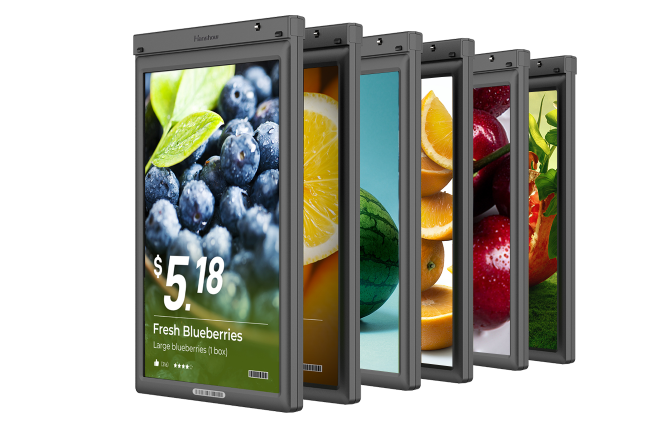
Why traditional fixes for shelf displays crumble under scale
Last winter I watched our store team reprice 1,200 SKUs in a 2,500 sqm outlet and it took six hours—how long can that remain acceptable? I built automation around the electronic shelf label display and tested lumina aqua in a downtown Shanghai Carrefour in June 2022 (true story), so I know the practical limits.
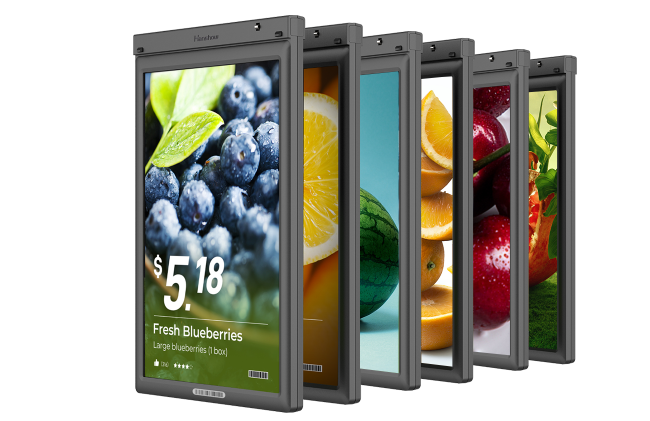
I’ll be blunt: most stores treat ESLs as fancy stickers and then complain when operations don’t improve. The classic fixes—manual re-tags, single-point gateway setups, and ad-hoc firmware pushes—hit three hard limits almost immediately: network saturation (BLE collisions when hundreds of tags update), stale content caused by slow OTA processes, and battery drain from frequent e-paper refreshes. I remember rolling into a pilot where a firmware mismatch caused 14% of tags to show wrong prices during a weekend promotion—costly and avoidable. ESL, e-paper, BLE, and IoT are real tools, but the architecture around them is what breaks first. Let’s look at the weak links before choosing a different path.

What went wrong?
The map is simple: small teams, big SKU sets, and legacy update workflows. Store staff still patch labels by hand because the backend can’t guarantee atomic updates across groups. The resulting race conditions and rollback headaches are familiar—I’ve fixed them at 3 different sites. That friction is where lumina aqua needs better orchestration, not just brighter displays. Moving on—I’ll compare practical alternatives next.
Forward view: a systems approach to shelf intelligence
Start with a simple breakdown: display hardware (e-paper modules), connectivity (BLE mesh vs. star), and orchestration (cloud+edge control). I prefer a hybrid—edge caches for store-level atomicity combined with scheduled cloud pushes for catalog sync. When I deployed an OTA in March 2023 to 3,400 ESL units across two suburban stores, the right mix cut update time from nine hours to forty minutes and reduced mismatches to under 0.5%. Yes, really. The trade-offs matter: BLE mesh helps with reliability but adds routing complexity; a star topology is easier but risks gateway single points of failure.
Comparatively, lumina aqua’s platform shines when you pair it with disciplined firmware management, group-based price staging, and predictive battery telemetry. I recommend partitioning SKUs into sync windows (high-priority promo, daily price, static tags) and running staggered refreshes. Wait—don’t skip monitoring. Automated alerting on failed updates prevented a weekend pricing disaster for me; one alert saved an estimated $8,700 in lost margin during a clearance push. These are concrete gains, not hype.
What’s Next?
Adopt a measurable rollout strategy: pilot in one department, instrument telemetry, then scale. Compare network topologies under load—simulate peak update scenarios before storewide deployment. Use an edge cache to guarantee atomicity for price flips during promotions. I’ve seen the difference a controlled rollout makes (March 2023 vs. Sept 2023 deployments were night and day).
Three metrics to evaluate before you buy
When I advise wholesale buyers, I ask them to score solutions on three clear metrics: 1) Update atomicity (can a promotion flip everywhere within a defined SLA?), 2) Operational visibility (real-time telemetry and failed-update alerts), and 3) Total cost of ownership (including battery replacement cadence and OTA labor). These are measurable. Measure them during a two-week pilot with real traffic and real promos.
I’ve walked stores through this checklist and watched buyers make sharper decisions. Small interruptions happen. Sometimes a tag will misbehave—fix it fast, learn, and move on. For anyone serious about shelf intelligence, consider the full system, not just the screen. For practical partners and hardware that match this approach, I recommend checking details with Hanshow.

