




User needs and the near-future factory
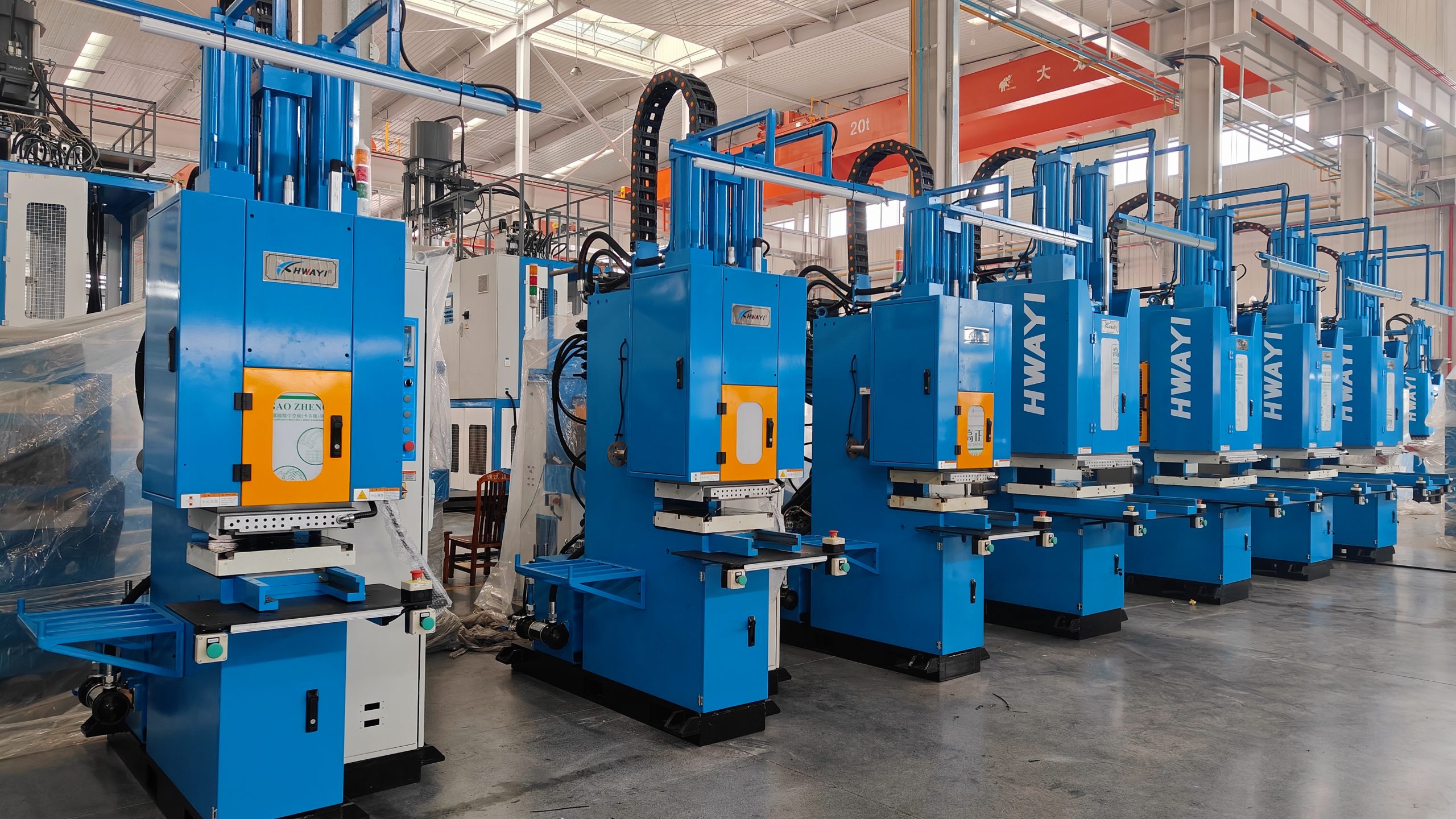
Production managers and mold engineers need predictable color changes and tight compound transitions without long downtime. Modern lines resemble control bridges—fast, automated, and unforgiving—and the right modular screw-and-barrel approach reduces risk. If you’re running a cell with an horizontal rubber injection molding machine, or upgrading to horizontal injection molding for higher throughput, these design choices matter immediately.

Core principles that shape user outcomes
Think of the screw-and-barrel as the pulse of an LSR or HNBR process: metering precision, shear control, and purge behavior determine whether a color change is a five-minute cycle or an hour-long headache. Modular barrels let you swap wear liners or specialized mixing sections without tearing down the press. A short, hardened mixing zone reduces retained pigment; a replaceable metering segment limits contamination. Clamping force, shot size, and screw geometry must match the compound’s rheology to keep transitions clean.
Practical modular patterns and trade-offs
There are three practical configurations that most users adopt: full-section modular barrels for maximum flexibility, stepped screws for gentle shear when compounds are sensitive, and dedicated purge screws for frequent color runs. Each choice trades cost against uptime. Full modularity minimizes cross-contamination but requires higher upfront tooling. Dedicated purge screws cut color carryover quickly but add inventory. Use telemetry from the barrel temperature zones and shot weight sensors to decide which trade-off yields the best OEE for your line.
Common mistakes, fixes, and a few human notes
Teams often underestimate the role of purge strategy—soft purges with compatible compounds work better than brute-force mechanical removal. Another frequent error is overspecifying clamping force to “be safe,” which increases flash and maintenance. – Don’t skip a simple test: run a short sequence of color switches on a pilot mold under full production cycle times; the data will be decisive. In European hubs like Stuttgart, engineers document changeover cycles tightly—learn from that discipline: record purge volumes, screw rpm during transitions, and the first-good-part time.
How to compare suppliers and technologies
When you evaluate machines or retrofit kits, score vendors against three dimensions: ease of modular replacement (minutes, not hours), integrated controls for segmented heating and venting, and documented purge protocols for specific elastomers. Look for vendors that publish validation runs with LSR and high-viscosity compounds. Real-world anchors—such as documented adoption of modular barrels by tier-1 automotive suppliers in Germany and the shift in supply-chain priorities after the 2020 pandemic—show these features cut costs under pressure.
Golden rules for selection and measurement
Apply these three evaluation metrics before you commit: throughput recovery time (minutes to first acceptable part after a color/compound switch), purge volume to acceptable color threshold (grams), and total downtime impact per month (minutes). Prioritize solutions that reduce recovery time and purge volume simultaneously—those yield the fastest ROI. Track these metrics on the shop floor with simple logs or MES hooks; the numbers tell the truth faster than any sales sheet.
Choosing modular screw-and-barrel systems is a tactical move that reduces waste, speeds changeovers, and stabilizes quality. It also makes your line resilient to material shifts and color complexity—real advantages when schedules compress and demand spikes. HWAYI understands those constraints and builds hardware that lets you keep production humming—reliable, modular, and purpose-built for the realities on the floor. –

