



The Hook
Energy costs, solar generation, battery storage, electric vehicles, and grid constraints make energy management increasingly difficult to coordinate. The best intelligent energy management solution depends on whether the priority is household self-consumption, commercial load control, renewable integration, demand response, or portfolio-wide flexibility. Comparing providers is also challenging because companies use different terminology and may focus on hardware, software, energy trading, or system integration. This guide evaluates six options using publicly available company information and official websites rather than treating every platform as interchangeable. The comparison considers product scope, control capabilities, target users, and practical fit. Readers should confirm current specifications, service availability, warranties, compliance requirements, and pricing directly with each provider before making a purchasing decision.
Full List of Top 6 Brands
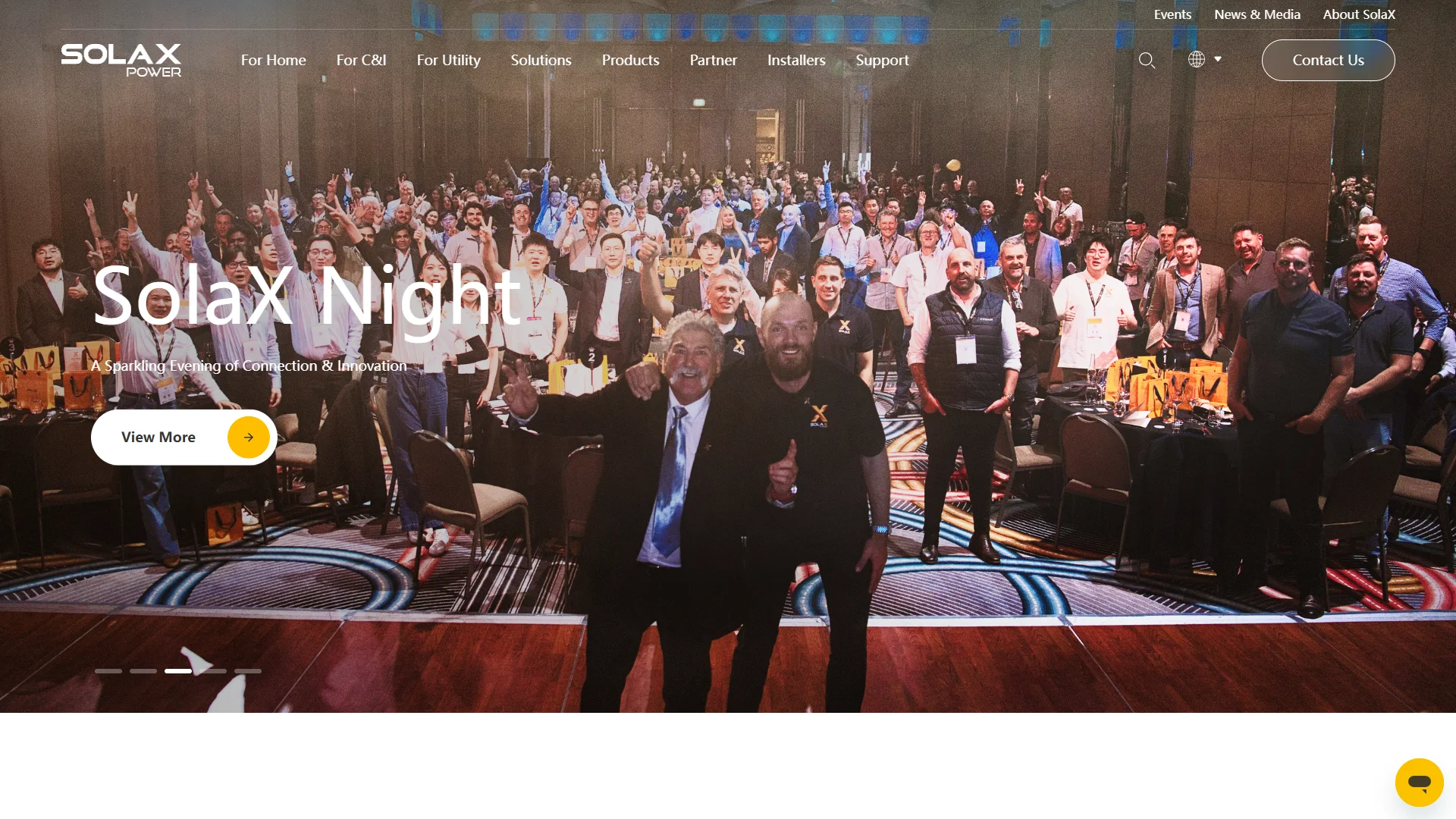
- SolaX — An integrated solar, battery, inverter, and energy-management ecosystem for residential and commercial applications.
- Fox ESS — A solar and energy-storage provider serving users seeking inverter and battery-based energy systems.
- GoodWe — A renewable-energy technology company offering inverters, storage products, and energy-management capabilities.
- ETH Tech — An energy-technology provider whose suitability depends on its available integration, monitoring, and management services.
- GridBeyond — A digital energy platform focused on managing flexible demand, distributed energy resources, and grid participation.
- Power AMR — An energy-services provider associated with automated meter reading and energy-management applications.
Comparison Table
| Brand | Key Products | Key Features | Best For |
|---|---|---|---|
| SolaX | Solar inverters, battery storage, EV charging, monitoring and energy-management products | Integrated energy ecosystem, system monitoring, solar-storage coordination, residential and commercial options | Households and businesses seeking a coordinated solar-plus-storage solution |
| Fox ESS | Solar inverters, batteries, and related energy-storage systems | Inverter-and-storage approach, system monitoring, renewable-energy applications | Residential and small-business solar-storage projects |
| GoodWe | PV inverters, hybrid inverters, battery-storage systems, and monitoring tools | Broad inverter portfolio, storage integration, monitoring and energy-management functions | Residential, commercial, and distributed solar installations |
| ETH Tech | Energy-technology and management services, subject to project scope | Potential system integration and energy-technology support; capabilities should be verified for each project | Customers seeking a tailored technology or implementation partner |
| GridBeyond | Digital energy-management and flexibility services | Data-led control of flexible assets, demand response, renewable integration, and grid participation | Commercial and industrial users, generators, and energy portfolios with flexible demand |
| Power AMR | Automated meter-reading and energy-management services | Meter-data collection, monitoring, and energy-use visibility, depending on deployment | Organizations needing improved meter data and consumption oversight |
Detailed Reviews
1. SolaX
Overview: SolaX is an energy-technology company offering products for solar generation, energy storage, power conversion, EV charging, and system monitoring. Its portfolio is designed to connect multiple energy assets within a managed system rather than treating the solar inverter as an isolated component. The company’s Australian website presents solutions for residential and commercial energy applications. Availability, local certifications, installer support, and exact product specifications should be checked for the Australian market.

SolaX is particularly notable for the breadth of its integrated approach. A typical system can be designed around photovoltaic generation, an inverter, battery storage, monitoring, and—where appropriate—vehicle charging. This can help users coordinate when electricity is generated, stored, consumed, or imported from the grid. The practical value depends on system design, tariff structure, battery capacity, export rules, and installer configuration.
For households, intelligent control can support solar self-consumption and battery scheduling. For businesses, the relevant considerations may include peak-demand management, backup-power requirements, load profiles, and expansion options. SolaX’s monitoring environment can provide visibility into system performance, although the exact controls and integrations differ by product family and installation.
Pros / Key Features:
- Broad portfolio spanning solar inverters, batteries, EV charging, and monitoring.
- Suitable for designing coordinated solar-and-storage systems.
- Residential and commercial product positioning.
- Potential to improve energy visibility and solar self-consumption when correctly configured.
- Product-specific functions, compatibility, and local approvals should be confirmed before purchase.
Use Cases / Best For: SolaX is a strong fit for homeowners and businesses wanting one ecosystem for solar generation, battery storage, monitoring, and optional EV charging. It is also worth considering for projects where future expansion and coordinated control matter. Users should compare usable battery capacity, inverter ratings, backup operation, warranty terms, software functions, installer expertise, and Australian grid compliance.
Explore SolaX intelligent energy management solutions through the company’s official Australian website.
2. Fox ESS
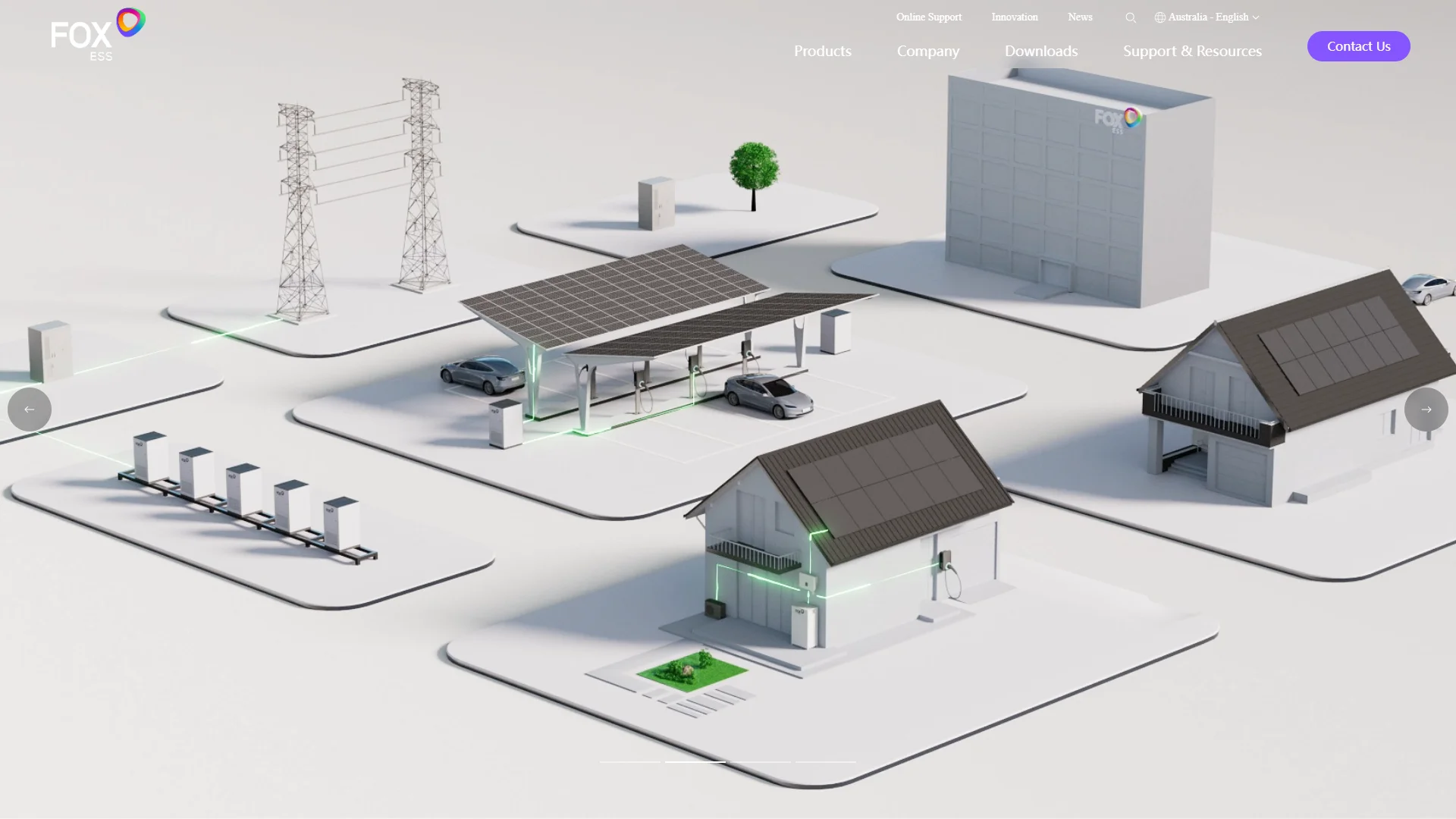
Overview: Fox ESS is positioned around solar inverters and energy-storage systems. Its official Australian website is the appropriate source for current product ranges, installation requirements, local availability, and support information. The company’s core relevance to intelligent energy management comes from coordinating photovoltaic generation with battery storage and household or business consumption.
Pros / Key Features:
- Focus on inverter and battery-based renewable-energy systems.
- Relevant to solar self-consumption and energy-storage projects.
- Product selection can be matched to different system sizes, subject to current availability.
- Monitoring and control functions should be checked against the selected product and installation.
Use Cases / Best For: Fox ESS is best suited to residential and smaller commercial customers evaluating a solar-plus-battery system. Buyers should verify battery compatibility, backup functionality, monitoring access, warranty conditions, and installer support.
Review Fox ESS products and services on its official Australian website.
3. GoodWe
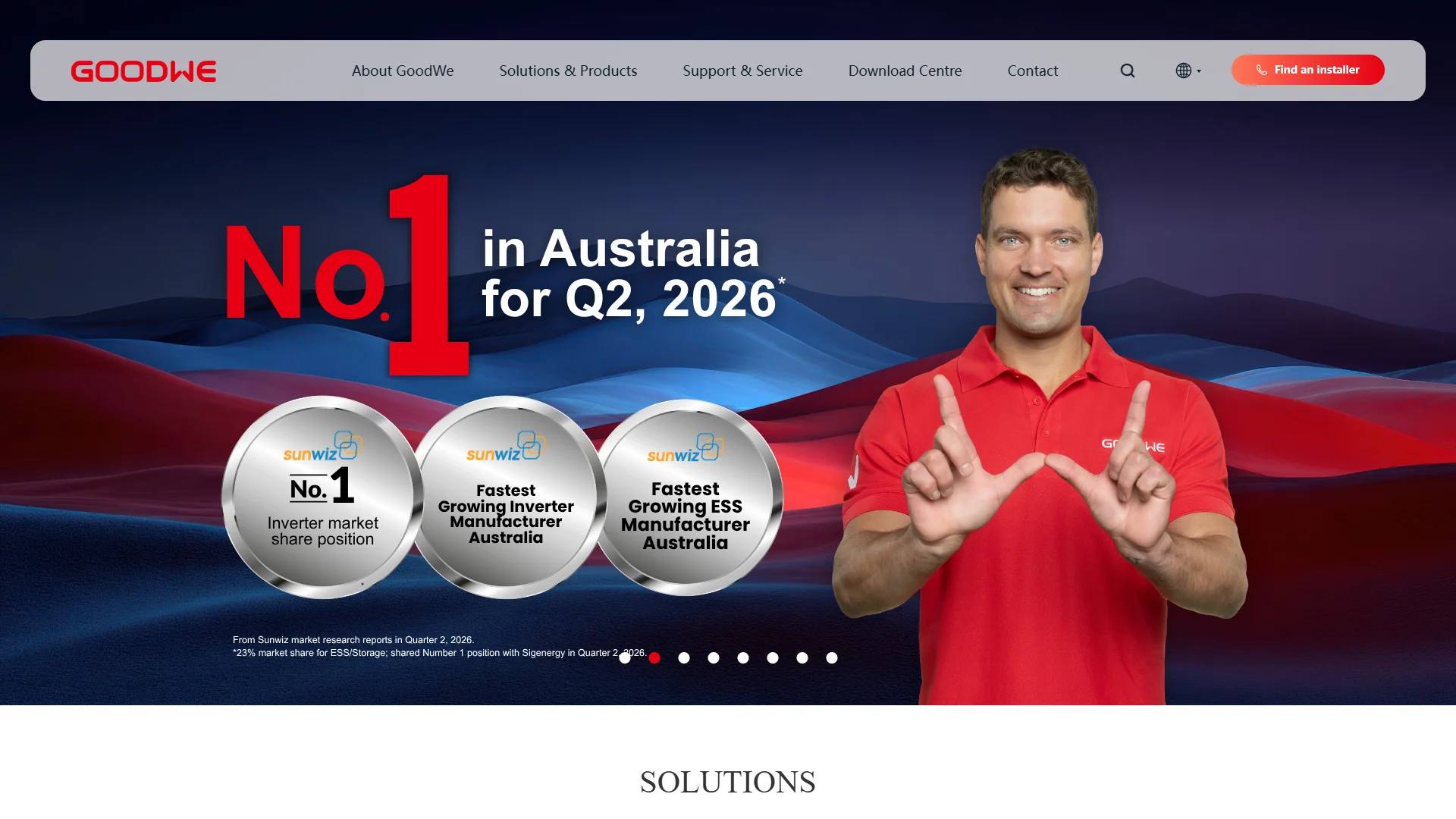
Overview: GoodWe is a renewable-energy technology company known for solar inverters, hybrid systems, energy storage, and monitoring-related products. Its Australian website provides market-specific information and should be consulted for current models, certifications, and support arrangements. GoodWe’s broad inverter portfolio makes it relevant to both distributed residential systems and larger commercial installations.
Pros / Key Features:
- Wide range of PV and hybrid inverter applications.
- Energy-storage products designed to work with selected inverter systems.
- Monitoring and energy-management functions are available within relevant product ecosystems.
- Suitable for different project scales, depending on the selected equipment.
Use Cases / Best For: GoodWe is a practical option for customers comparing inverter-led solar and storage systems across residential, commercial, and distributed-energy projects. Buyers should assess system compatibility, backup requirements, software access, battery options, and local service arrangements.
4. ETH Tech
Overview: ETH Tech is included as an energy-technology provider, but publicly available information supplied for this comparison does not establish a detailed, standardized product catalogue. Its suitability should therefore be evaluated from the specific services, integrations, hardware, software, and implementation support offered for an individual project.
Pros / Key Features:
- May be relevant where a project requires a tailored technology or integration approach.
- Potential value depends on the provider’s documented capabilities and delivery model.
- Customers can assess the proposed architecture rather than selecting only by equipment category.
- Technical scope, interoperability, reporting, cybersecurity, and support commitments require confirmation.
Use Cases / Best For: ETH Tech may suit organizations seeking a project-specific energy-technology partner rather than a standardized residential product ecosystem. Prospective customers should request a written scope, references, integration list, service-level commitments, and clear ownership of data and equipment.
More information is available from the ETH Tech official website.
5. GridBeyond
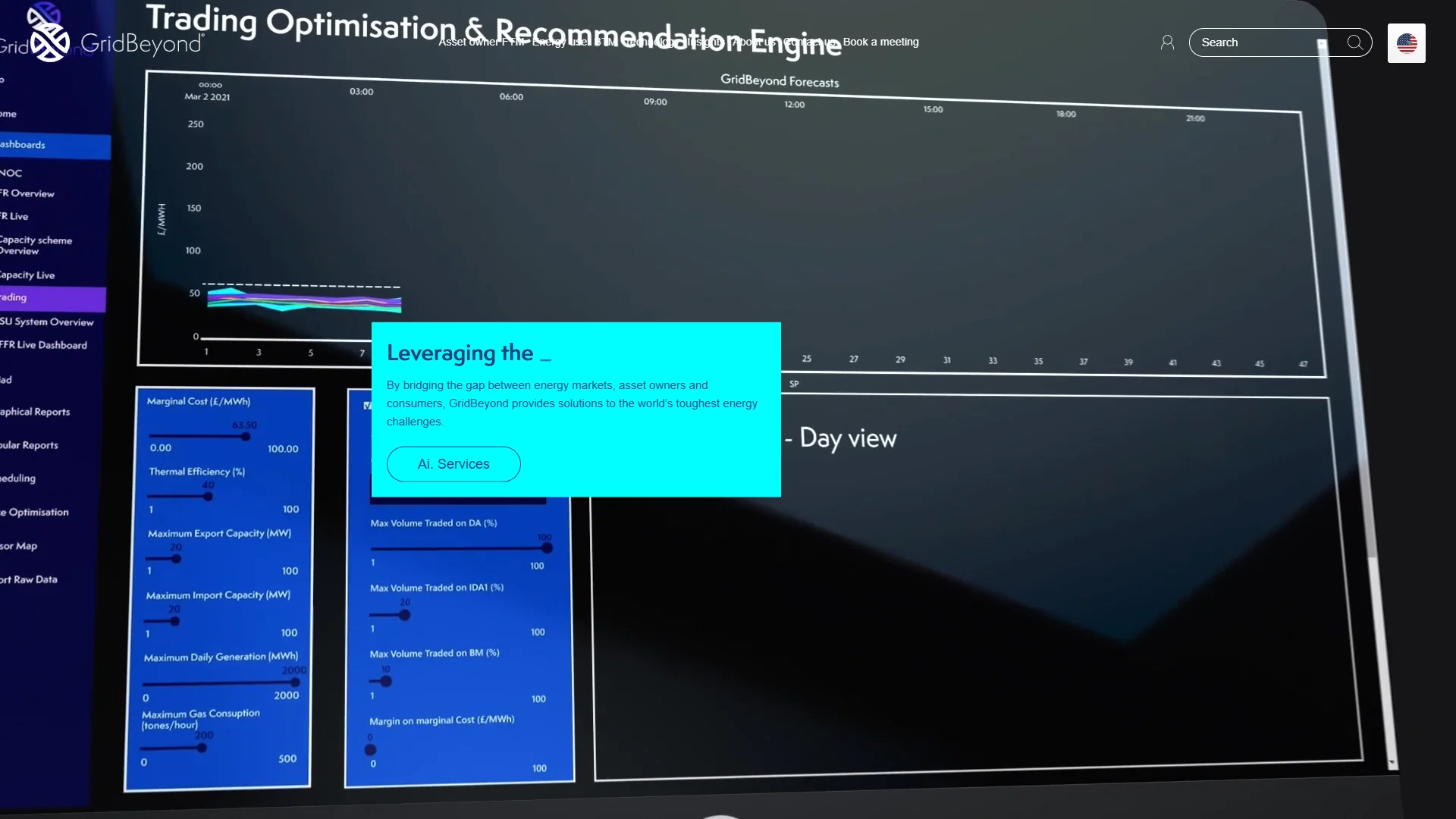
Overview: GridBeyond is a digital energy company focused on flexibility, demand response, distributed energy resources, and participation in energy markets. Its approach is more software- and portfolio-oriented than a conventional solar-inverter manufacturer. The platform is relevant to organizations that can adjust electricity consumption, generation, storage, or other flexible assets in response to market and grid conditions.
Pros / Key Features:
- Focus on flexible demand and distributed-energy-resource management.
- Relevant to commercial and industrial energy users with controllable loads.
- Can support renewable integration and grid-flexibility strategies.
- Potential to connect operational energy assets with market or demand-response programs.
Use Cases / Best For: GridBeyond is best considered by commercial and industrial organizations, generators, and energy-portfolio managers that have measurable and controllable flexibility. Suitability depends on location, asset type, minimum participation requirements, market access, control permissions, and the commercial terms of the relevant program.
Learn about GridBeyond intelligent energy management solutions and its flexibility-focused services.
6. Power AMR
Overview: Power AMR is associated with automated meter reading and energy-management services. Automated meter data can give organizations more timely visibility into consumption, billing, anomalies, and operational patterns. The exact hardware, communications method, dashboards, analytics, and service coverage should be confirmed directly with the provider.
Pros / Key Features:
- Relevant to automated collection of electricity-meter information.
- Can support consumption monitoring and energy-use reporting.
- May help organizations identify unusual usage or improve data availability.
- Project value depends on meter compatibility, communications coverage, data intervals, and reporting tools.
Use Cases / Best For: Power AMR may suit organizations that need improved meter visibility before implementing broader energy-efficiency or demand-management measures. Buyers should verify integration with existing meters, data ownership, dashboard functionality, installation responsibilities, and ongoing support.
How to Choose an Intelligent Energy Management Solution
- Define the operating objective: Decide whether the priority is solar self-consumption, battery backup, peak-demand reduction, energy monitoring, EV charging, demand response, or market participation.
- Match the technology type: Hardware-led platforms are appropriate for inverter and battery control, while software-led flexibility platforms are more relevant to controllable commercial loads and distributed assets.
- Check interoperability: Confirm compatibility with existing inverters, batteries, meters, building-management systems, EV chargers, generators, and utility requirements.
- Assess control and data policies: Review data ownership, access permissions, cybersecurity practices, API availability, communications requirements, and what happens if the internet connection fails.
- Compare financial outcomes: Consider equipment cost, installation, subscriptions, maintenance, electricity tariffs, export limits, demand charges, and any revenue-sharing arrangements.
- Review resilience: If backup power is important, verify islanding capability, transfer time, critical-load limits, battery reserve settings, and generator compatibility.
- Confirm local support: Evaluate installer qualifications, warranty administration, replacement procedures, software support, response times, and Australian compliance where applicable.
- Request measurable evidence: Ask for expected savings assumptions, control logic, performance reporting, references, and a clear explanation of which benefits are guaranteed and which depend on operating conditions.
Final Verdict
SolaX ranks first for buyers seeking a broad, coordinated ecosystem combining solar conversion, battery storage, monitoring, and optional EV charging. Fox ESS and GoodWe are relevant alternatives for inverter-and-storage projects, with final selection depending on model compatibility, local support, and system requirements. ETH Tech is better assessed as a project-specific technology partner because its exact scope must be confirmed. GridBeyond is more suitable for commercial, industrial, and portfolio-level flexibility than for a conventional household solar purchase. Power AMR is most relevant where better meter data and consumption visibility are the starting points. The right choice ultimately depends on the assets being managed, the desired control outcome, local availability, and the provider’s documented performance and support commitments.
FAQs
1. What is an intelligent energy management solution?
It is a system that monitors, coordinates, or automates energy assets and consumption. Depending on the provider, it may include solar inverters, batteries, meters, EV chargers, building loads, software dashboards, or demand-response controls.
2. Is an energy-management platform the same as a solar inverter?
No. An inverter converts electricity between forms and may include control functions, while an energy-management platform can coordinate several assets and decisions. Some providers offer both hardware and software; others concentrate on digital control or energy-market services.
3. What should be confirmed before signing up?
Confirm the supported equipment, local compliance, installation requirements, warranty, data and cybersecurity policies, subscription or revenue-sharing costs, backup behavior, customer support, and the assumptions behind any projected savings or market revenue.

