



Introduction
I walked into a 300-seat club where the stage was barely bigger than a truck bed, and the crew was stressed about visuals. Stage Laser Lights were the last thing they thought would fit. But bookings were up 22% year over year, and screens alone weren’t lifting ticket value—so what now? Can small venues actually use laser rigs to look arena-grade without gutting the budget (or blinding the front row)? Here’s the twist: when you scale the idea, not just the hardware, lasers stop being “extra” and start being the clearest storytelling tool on stage. Let’s compare what used to be “good enough” with the smarter choices emerging today—then decide what’s worth your time.
Hidden Pain Points Behind Pretty Colors
Why do rigs still miss the mark?
People love rgb stage lighting because it promises full color control and tight looks. Yet, the usual setup still trips over the same problems: noisy cabling chains, drifting colors, and unpredictable beam divergence up close. Traditional DMX512-only control limits smooth transitions; galvanometer scanners get underfed or overdriven; and cheap power converters cause flicker under load—funny how that works, right? The result is a show that looks fine on the back wall but falls apart when you throw haze and tight cues at it. In small rooms, the flaws sit right in the audience’s face.
Here’s the deeper layer. Most “RGB” rigs chase brightness, not accuracy. Beam profiles go wide, colors desync under PWM dimming, and latency stacks up across daisy-chained fixtures. Look, it’s simpler than you think: prioritize stable scan speeds, calibrated optics, and low-noise drivers before you add more watts. When your lasers hold color linearity and scan safety, you can run closer to the crowd without fear. That’s what actually buys you headroom for creative cues—clean fades, crisp aerials, and legible mid-air graphics in tight spaces.
Comparing What’s Next With What Was
What’s Next
Old rigs rely on brute force. Newer systems lean on smarter principles: closed-loop scanners, safer optical attenuation, and FPGA-level signal paths that keep phase and color tight even under fast moves. When you pair those with networked control (Art-Net or sACN alongside DMX512), you reduce latency and avoid that “mushy” look. Even better, distributed control across fixtures—think small edge computing nodes inside each head—keeps timing sharp without adding a rack of gear. Add IP65 housings and better thermal paths and the units stay quiet and accurate longer. It’s less about more power, more about stable control. And yes, precision shows up most in small rooms.
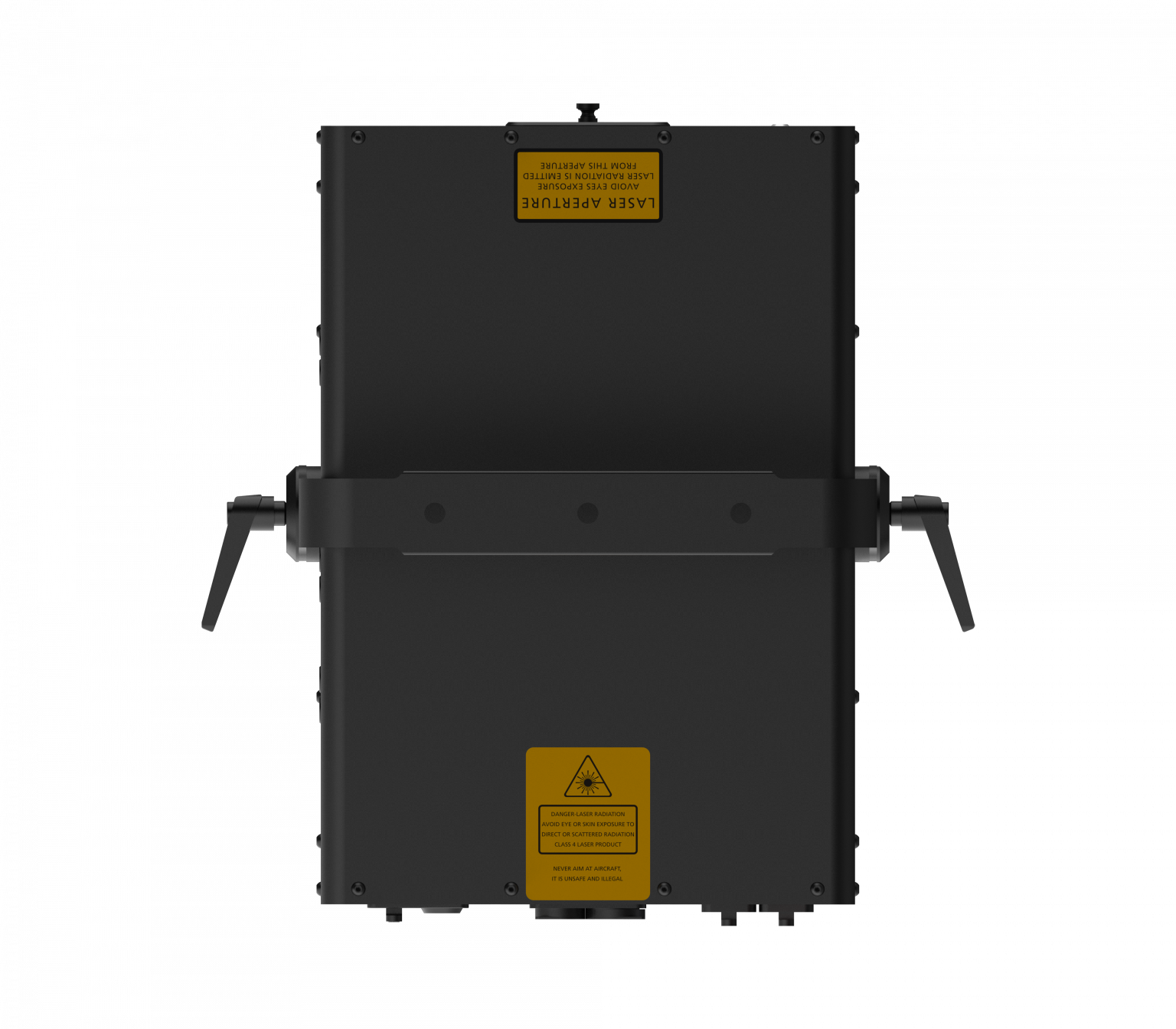
Now place this thinking next to concert lasers. Big tours use similar ideas—scan-fail protection, calibrated beam divergence, and consistent power delivery—because reliable looks beat raw output. Those same features scale down beautifully: cleaner beams, smoother fades, and fewer hot spots. Here’s how to judge options, fast: 1) beam divergence and scan accuracy that stay consistent across the throw, 2) power stability under load (watch ±% shifts; your converters matter), 3) control latency across DMX512 or network protocols that doesn’t smear tight chases. If you track those three, your small stage gains arena-level clarity—without arena-level chaos. That’s the real upgrade, not a bigger spec sheet. For a grounded reference in this space, see Showven Laser.

