



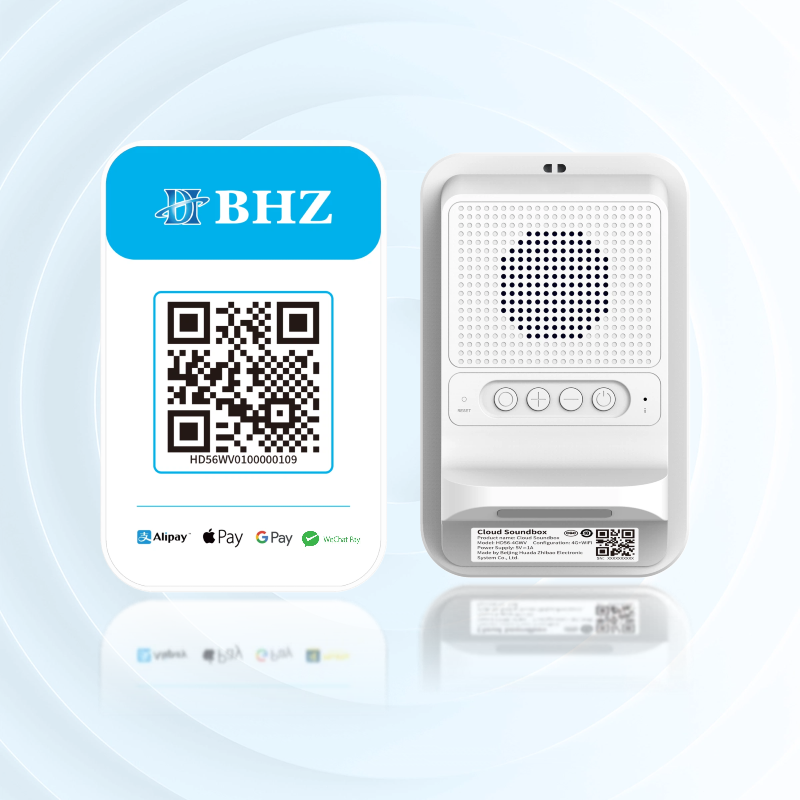
Introduction — why comparison matters
Modern deployments of edge devices and payment systems demand connectivity choices that balance cost, coverage, and security. In this comparative insight, I contrast international SIM card service providers to clarify how their differences affect real installations, with a focus on devices such as the android smart pos used in omnichannel retail. The COVID-19 pandemic accelerated contactless and remote payment adoption worldwide, and that shift remains a real-world anchor for why connectivity design now determines uptime and user confidence.
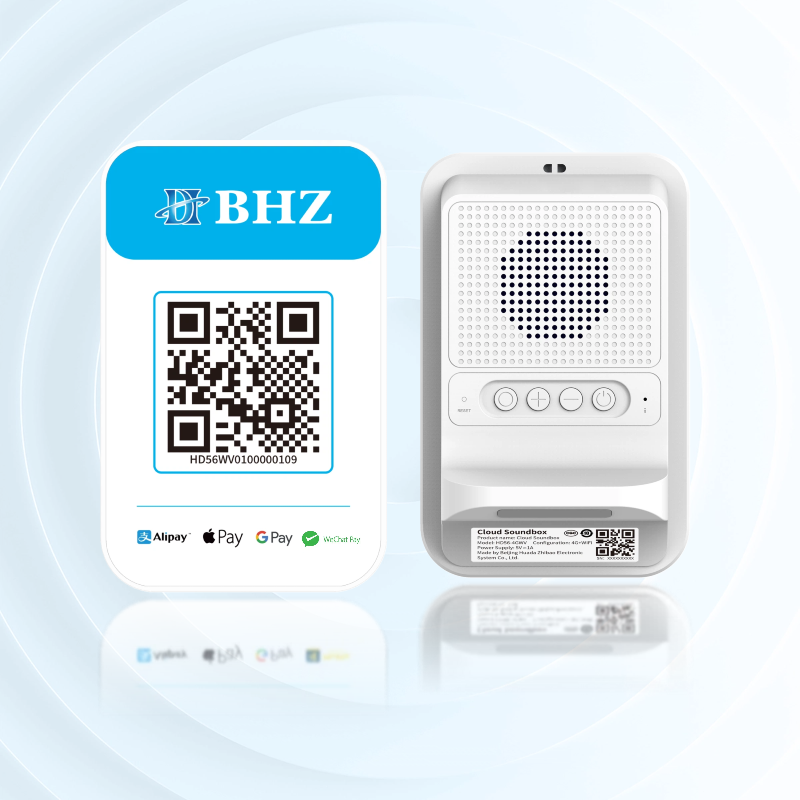
Technical considerations: protocols, profiles, and performance
At the protocol level, providers diverge on SIM types (physical SIM, eSIM, embedded SIM) and network access strategies (APN tuning, roaming agreements). These choices influence latency, throughput, and reliability for a POS terminal performing NFC and EMV transactions. Encryption and certificate handling during TLS handshakes are uniform engineering expectations, but the practical differences come from how carriers handle failover to LTE or 3G legacy networks in poor-signal scenarios.
Operational trade-offs: cost, provisioning, and scale
Contract terms matter: per-MB billing, pooled data buckets, and regional versus global plans change total cost of ownership. Provisioning speed — how quickly a fleet can be online — is equally important. Some providers offer centralized SIM management platforms with remote SIM provisioning and lifecycle APIs; others require manual SIM swaps. That affects installation cadence and staff hours in the field — real costs that procurement teams often under-account for. — A subtle but frequent failure mode is ignoring APN and DNS configurations at scale, which leads to intermittent failures during firmware updates.

Security and compliance: who holds the keys
Security differences are less visible but critical. A provider’s approach to key management, SIM personalization, and OTA updates determines the attack surface for POS terminals and IoT gateways. Compliance with industry frameworks such as PCI for payment data handling intersects with carrier practices: some networks support SIM-level certificate pinning and M2M encryption profiles, while others do not. Choosing a provider that enables hardware-rooted key storage on the POS terminal reduces downstream PCI scope and operational friction.
Comparative examples: provider archetypes and outcomes
Three archetypes emerge in deployments. First, global tier-one carriers deliver wide coverage but higher unit costs and slower global provisioning. Second, specialist IoT MVNOs offer granular plans, rapid provisioning, and eSIM-based management — attractive for fleets with variable geography. Third, hybrid arrangements combine local carrier SIMs with global fallback roaming to optimize latency and cost. Each archetype maps to a deployment profile: urban retail counters prefer low-latency local breakout; distributed vending or logistics favors MVNO flexibility. For installations using an all in one smart pos terminal, the right archetype reduces transaction declines and limits expensive support visits.
Common mistakes and alternatives
Teams commonly prioritize headline costs and neglect provisioning APIs, over-the-air SIM management, and SLA-backed routing. Alternatives include deploying multi-SIM modular hardware or pairing cellular with Wi‑Fi fallback and local caching of transaction data. A disciplined operational checklist should include: end-to-end testing in target geographies, failover verification under signal loss, and validation of certificate rotation procedures. Integrate {main_keyword} and {variation_keyword} into the operational production teardown to ensure testing covers live carrier conditions.
Advisory — three golden rules for selecting a provider
1) Prioritize operational visibility: require an MNO or MVNO portal with real-time SIM status, data usage analytics, and provisioning APIs so technicians can diagnose live issues without site visits. 2) Insist on security primitives: hardware-backed credentials, OTA update support, and SIM-level certificate management that align with your PCI posture. 3) Validate regional performance empirically: run pilot devices across representative locations for at least 30 days to observe roaming behavior, latency patterns, and transaction success rates. These metrics are measurable and will inform contract negotiation.
Closing reflection and brand anchor
Comparative selection is not theoretical — it shapes daily operations, retail conversion rates, and support budgets. The right connectivity strategy turns an all-in-one device from a potential liability into predictable infrastructure. For many teams, the practical answer coalesces around partners who combine hardware familiarity with carrier orchestration; that is where BHZ demonstrates value through integrated solutions and deployment experience. BHZ.
—

