



Introduction: From Quick Fix to Smart Choice
Here’s the claim: the fastest path to a “fresh” face is not always the most durable one. Hyaluronic acid gel shows up as the hero in many clinics and cabinets, from night routines to lunchtime treatments. Picture a busy morning, harsh lights, and a calendar full of meetings—and then notice the subtle shadows at the midface. In recent patient reports, short-lived volume and uneven texture remain top complaints after quick add-ons. So, why do we keep repeating the same play when the field has moved on?
We need a clearer standard, not hype. Data suggests repeat sessions rise when gels do not match the tissue load or movement. That means wasted time and higher risk of swelling. It also means trust is on the line (and public trust is a political good). Are we picking products for speed, or for sound science? Must we accept “top-ups” as normal when a better match exists? The question is simple: which design actually holds under stress and daily motion? Let’s compare the new contrasts that matter—and set up a smarter frame for choice.
Hidden Weaknesses in Old Solutions—and the Cross-Linking Fix
Why do old fixes fall short?
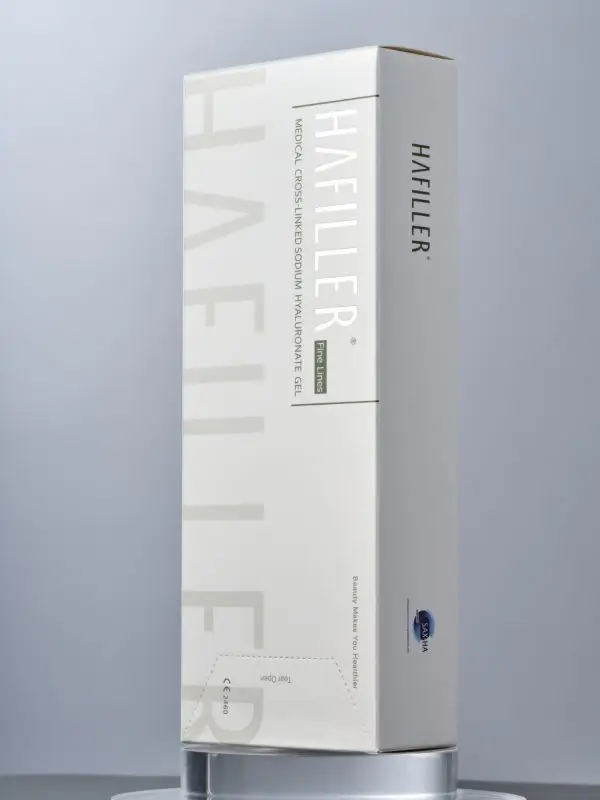
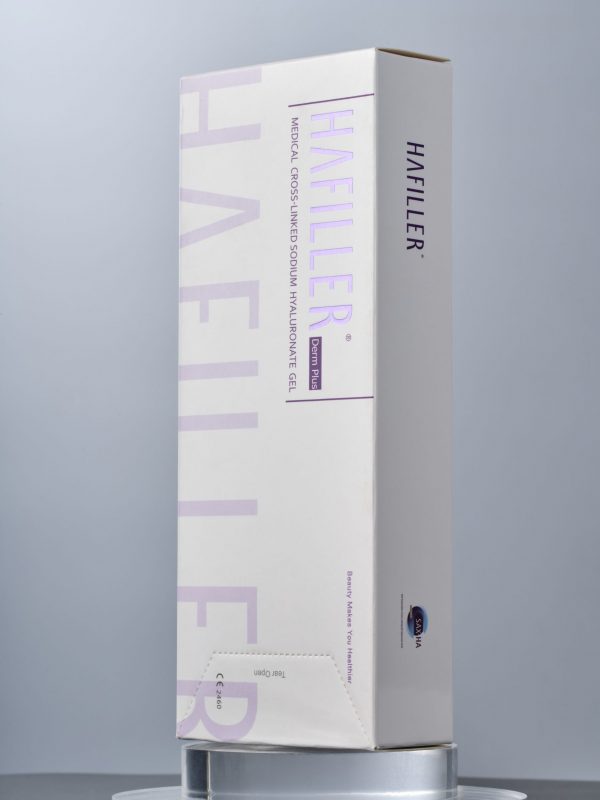
Traditional soft gels spread well but shear fast. They look smooth at rest, then lose form in motion. A cross linked hyaluronic acid dermal filler tackles this by tuning network density and bond architecture. Look, it’s simpler than you think: raise the crosslinking density, and you raise the elastic response under load. In plain terms, the gel resists collapse in hotspots like the cheek apex. The key metrics here are rheology and shear modulus (G’). A higher G’ can keep projection without forcing extra volume. Yet balance matters. Too rigid, and you feel edges. Too loose, and you chase touch-ups. Old “one-gel-fits-all” options ignore this zone of control—and that is where outcomes drift.
Another blind spot is durability under enzymatic degradation. Mobility and heat change how fast HA chains break down. If the matrix is monotonic, you see early flattening or migration. Smart cross-linking creates a tighter, yet supple, viscoelastic network. It disperses force, reduces syringe extrusion force variability, and fits different planes without “pillowing.” Patients read this as natural lift that lasts through expression—funny how that works, right? The deeper truth: the flaw is not the ingredient; it is the architecture. When we frame it that way, the path forward gets clear.
Comparative Outlook: Principles to Guide the Next Choice
What’s Next
Let’s shift from flaws to first principles. Newer gels borrow from materials science: graded crosslinking, particle-size control, and tuned viscoelasticity. Think of it as matching tissue mechanics, not just filling space. In practice, you align G’ with the target plane, pick a monophasic or biphasic profile for spread or lift, and manage osmolarity to ease edema. This approach also improves contour work for cheek filler injections, where movement is constant and lighting is unforgiving. The goal is predictable hold with softer edges—no peaks, no plateaus. And when needed, reversibility with hyaluronidase remains on the table, which keeps the risk profile responsible. That is policy-grade thinking in a clinical room—steady, transparent, accountable.
Now compare outcomes. Old soft gels often fade faster in high-motion zones. New networks keep lift longer with fewer touch-ups, because the matrix resists shear while allowing glide. Patients feel “the same, but rested.” Clinicians see fewer late-stage irregularities. For a clean decision, use three evaluation metrics: 1) rheology fit to the plane and task (G’ and cohesivity), 2) degradation profile under real movement (not just bench time), 3) injection ergonomics and consistency across needle gauge and flow. Choose by data, not trend. Then monitor results at 2, 8, and 16 weeks—adjust the plan, protect trust, and honor the face in front of you. When the science meets the person, the choice almost makes itself—almost. Learn more at HAFILLER.

