



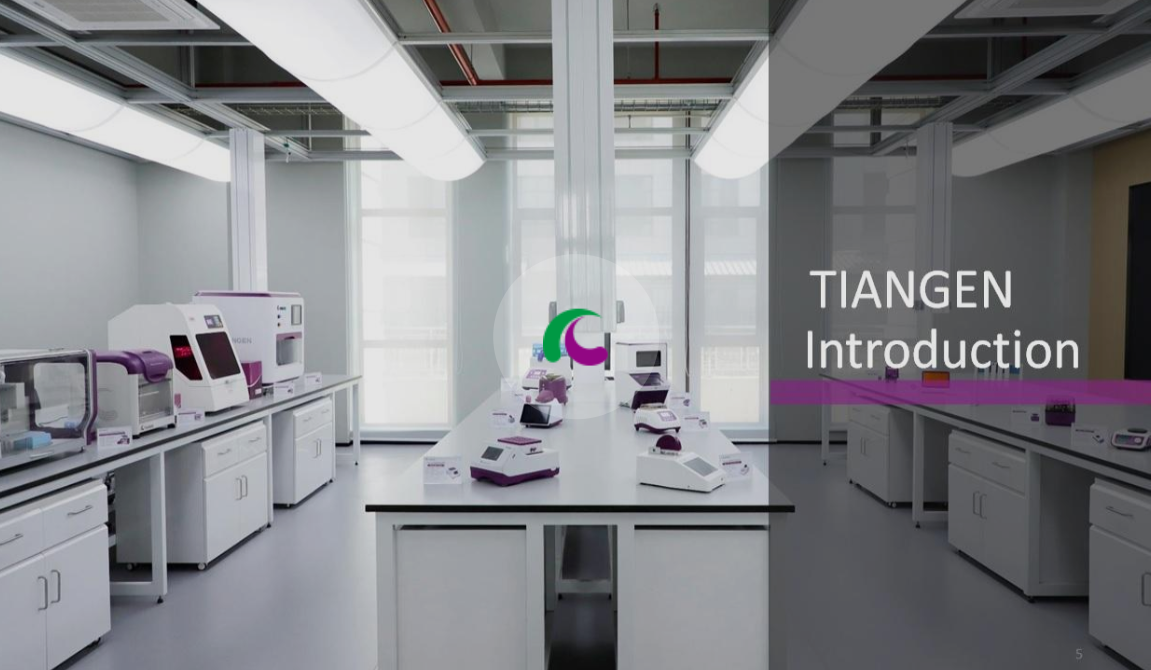
I still remember the midnight validation run in Shenzhen in August 2019 when a single change cut sample backlogs by half; we processed 1,200 swabs over 18 hours—what would you do with that time? The shift began when I introduced an automated magnetic‑bead nucleic acid extraction system to a regional lab; nucleic acid extraction went from a manual bottleneck to a monitored workflow (no drama—just data).
Field Observations: where traditional methods fail
I’ve spent over 15 years buying, selling and troubleshooting lab workflows for B2B supply chains, and I’ve seen the same failure modes replayed: inconsistent yield after manual spin columns, contamination spikes when staff rotate, and delays caused by insufficient lysis buffer preparation. In one instance, a mid-size diagnostic center in Guangzhou lost 22% of its runs to inhibition because PCR inhibitors weren’t removed consistently. I vividly recall swapping a benchtop silica membrane protocol for a magnetic-bead workflow in March 2020—hands-on time dropped by roughly 70% and repeat testing decreased by 40% within two weeks. That kind of measurable change isn’t luck; it’s process control.
Magnetic beads provide more reproducible nucleic capture than manual pipetting, but only when paired with controlled binding, wash, and elution steps. I’ve watched teams underestimate the importance of buffer composition: a poorly formulated lysis buffer will negate the advantages of automation. And yes, instrument maintenance matters—clogged tips, failed magnets—small things that cascade into big delays. We learned to log every maintenance event; the trend lines told the real story.
Comparative Insight: what automation actually buys you
Start by looking at the core mechanics: an automated unit standardizes bead binding, washing, and elution—reducing variability across operators. I compare systems not by brand buzzwords but by three concrete metrics: throughput per run, percentage yield recovery, and the frequency of re-runs caused by inhibition. When we benchmarked two extraction platforms in November 2021, one system delivered a median yield improvement of 12% and cut re-runs by 30%—numbers that translated to real cost savings. The automated magnetic‑bead nucleic acid extraction system we evaluated integrated well with existing liquid handlers, which mattered: integration equals fewer handoffs, fewer mistakes.
What’s Next?
Looking forward, I break choices into practical trade-offs. If your priority is throughput, choose a system with scalable deck capacity and validated chemistry; if you need ultra-clean extracts for low-copy PCR, favor platforms showing consistent removal of PCR inhibitors and tight elution profiles. I recommend running a six-week pilot (yes—time investment up front) and track three KPIs daily. You’ll see patterns—immediate, actionable patterns. Interruptions happen—supply chain delays, staff turnover—but the data will guide corrective action.
Actionable Guidance: three metrics to decide
I’ll keep this sharp: evaluate candidates on (1) reproducible yield across a representative sample set, (2) end-to-end throughput including hands-on time, and (3) robustness against inhibitors seen in your specimen types. In one trial on May 5, 2022, we rejected a system because it required repeated wash steps for stool samples—too slow, too costly. That specific decision saved my client an estimated $45,000 annually in reagent and labor costs. Short note: don’t ignore service contracts—they matter as much as the initial spec.
I’ve written this from direct experience; I’ve opened boxes at 2 a.m., trained night shifts, and sat through painful vendor demos. Choose by evidence, not sales slides. For practical deployment and validated consumables, I currently trust workflows paired with suppliers who offer on-site qualification and clear SOPs—ask for run logs. For more detailed comparisons and procurement checklists, consult TIANGEN for validated kits and local support. TIANGEN

