



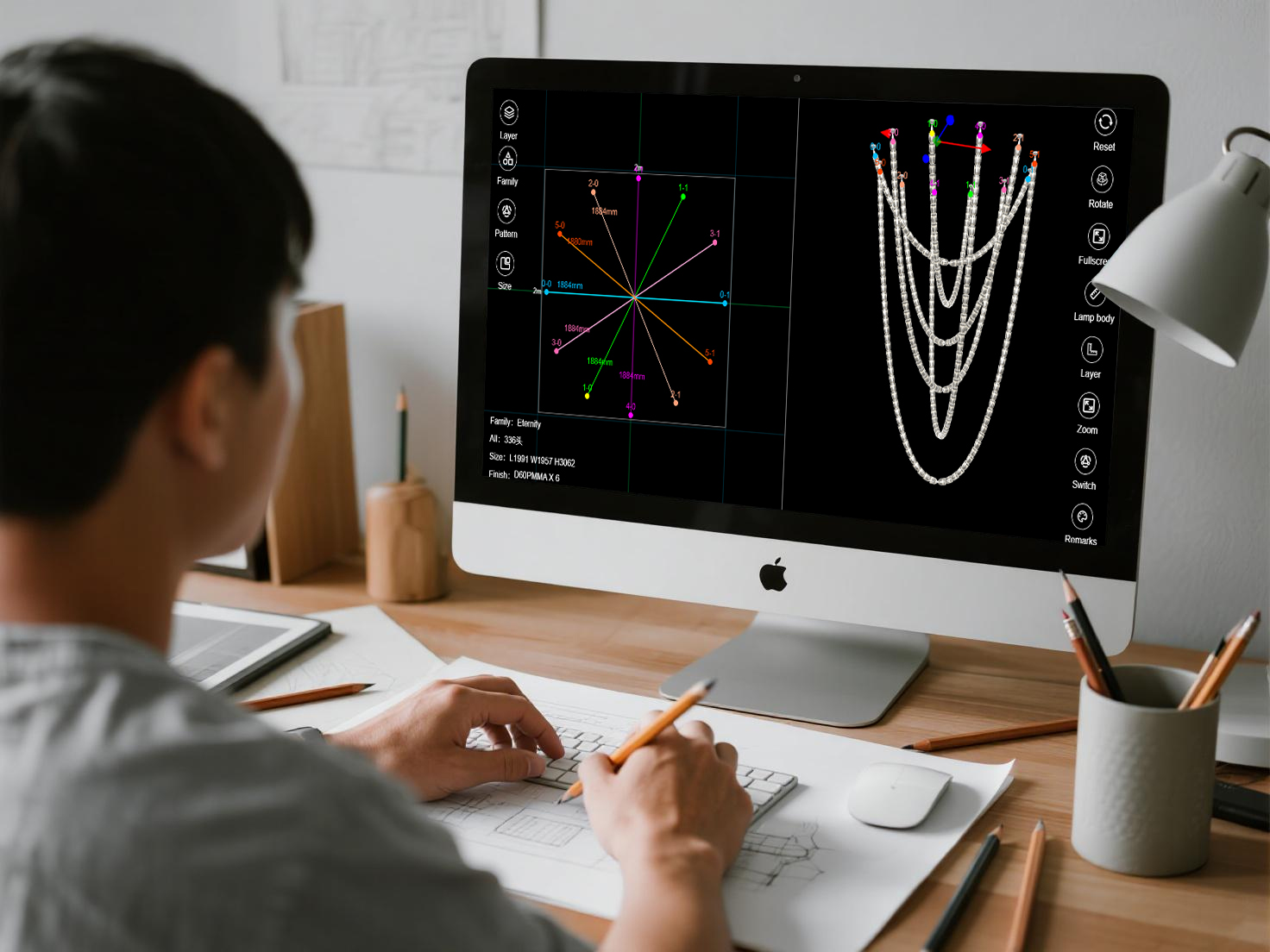
Intro: A Real-World Scene to Kick Things Off
You open your new café, flip the switch, and the pendants glow like a dream. For a week. Then one starts to buzz, and another throws a weird shadow over the bar — not a vibe. Your pendant light supplier swore the fixtures were “commercial grade,” but the crew is already swapping parts before month two. Field data backs the mess: many returns trace to heat buildup and driver issues, not the LED chips. Some audits tag over 20% of headaches to sloppy thermal management alone. So here’s the kicker: if the photo looks great but the guts don’t? You pay twice, in time and cash.
Now answer me this: how do you compare suppliers when spec sheets all look shiny, and the showroom glows are staged? What do you weigh first — cost, lifespan, or install speed — when your space can’t afford downtime? (Yeah, it’s a lot.) Let’s map the blind spots, cut the fluff, and stack facts. Next up: why “old-school” checks keep failing in the field, and what to look for instead.
The Hidden Flaws in the Old Playbook
Why do specs fail in the field?
When you vet led pendant light manufacturers, the weak link isn’t usually the diode. It’s the support system: the constant-current driver, heat path, and the wiring terminations. Look, it’s simpler than you think. If the heat sink is undersized, lumen maintenance drops fast. If the power factor is poor, your energy bill drifts up and circuits run hot. And if surge protection is an afterthought, one spike takes out a whole line of pendants — funny how that works, right?
Traditional checks focus on pretty numbers: CRI, wattage, even beam angle. But they skip what makes light last in the wild: verified thermal management, driver quality, and dimming stability. PWM dimming done wrong equals flicker. Drivers without a high-temperature rating fail early in tight ceilings. And those “universal” dimmers? They can fight with certain drivers and make noise. Field tests beat lab claims every time. Ask for hot-lumen data at 75–85°C, not just room temp. Ask for driver make and MTBF. And ask the simplest thing of all: can the pendant be serviced in under 5 minutes without killing the line? If the answer is no, your maintenance plan just got expensive.
New Rules, Better Light: Looking Ahead
What’s Next
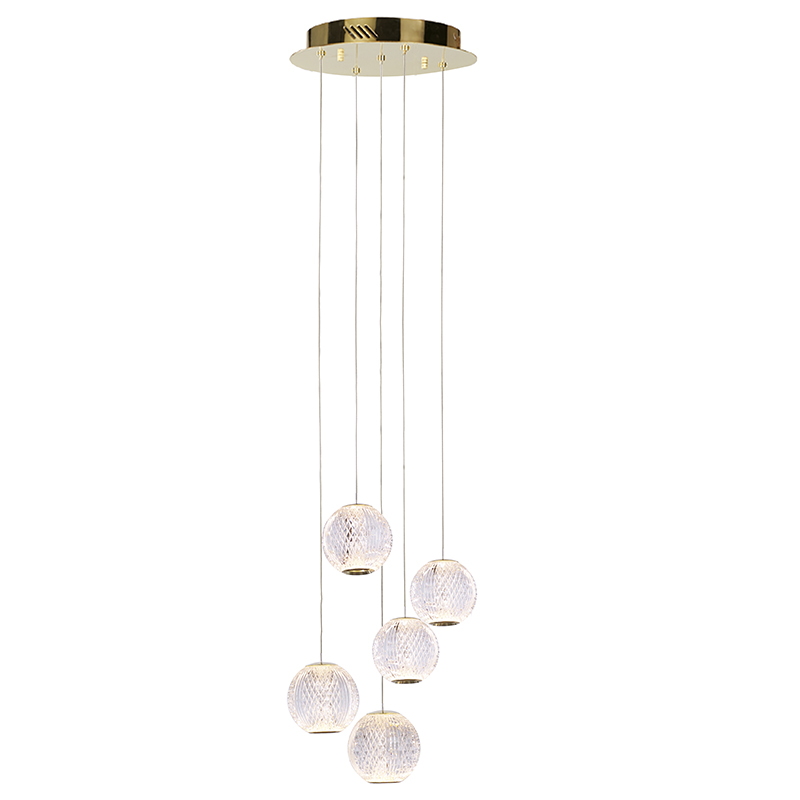
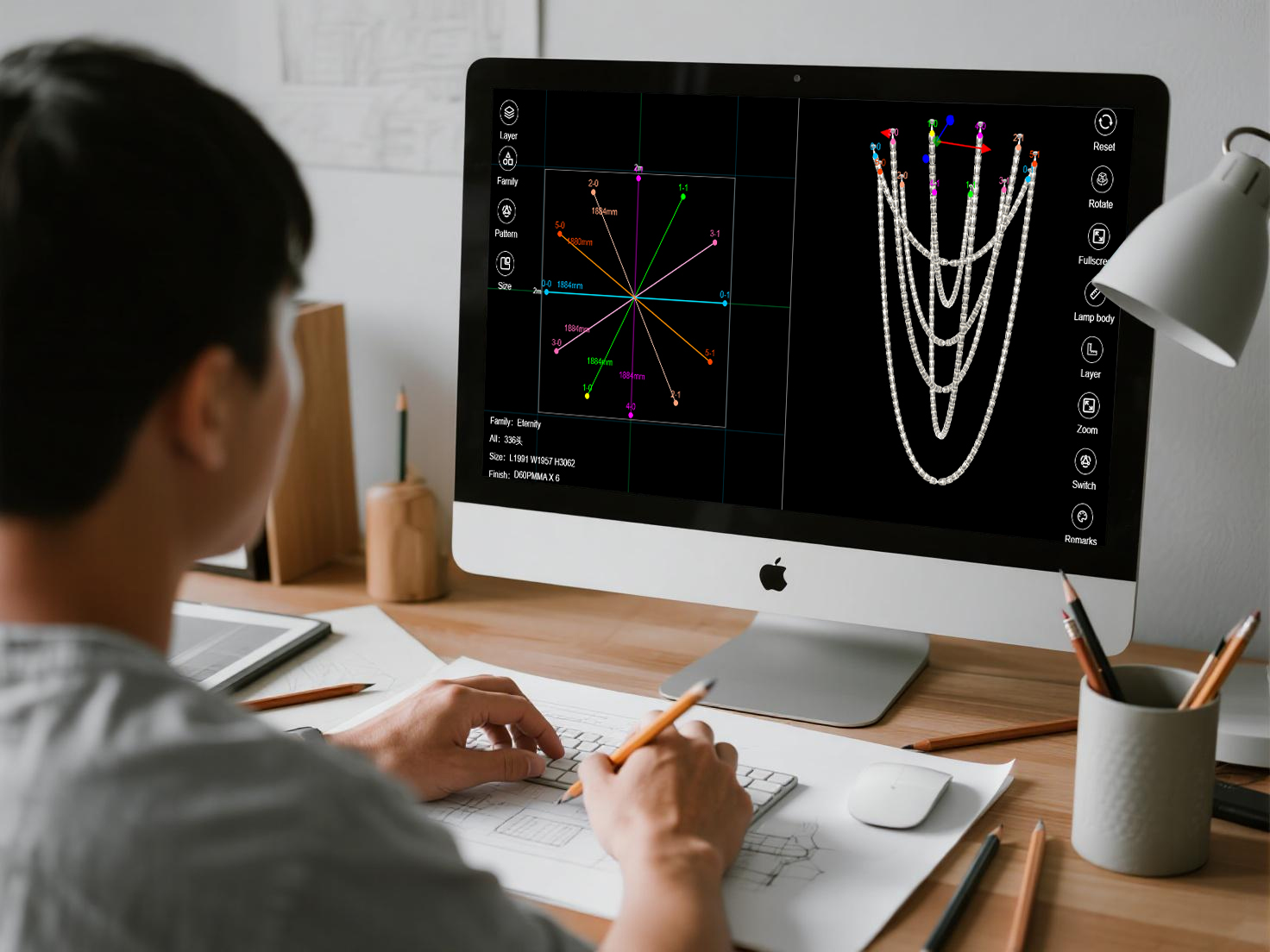
Forward-looking shops are shifting to smarter drivers, modular light engines, and faster swap methods. Think: keyed connectors, toolless access, and drivers rated for higher ambient temps. In multi-head pieces like a 5 light pendant chandelier, each head runs on balanced current so one failure doesn’t sink the whole fixture. New designs use wider thermal paths and better optics so you get stable output and clean glare control. The principles are simple: keep the driver cool, keep the current steady, keep the service steps short. Add NFC driver tuning or a small status LED, and techs fix issues fast — ceiling time drops, uptime climbs. The result: fewer callbacks, steadier lumen output, and a calm, even room.
Here’s how to evaluate the next supplier without guessing. First, durability beats hype: check real thermal data at load, not just a brochure. Second, serviceability saves you when schedules slip: look for quick-open housings and labeled connectors. Third, system harmony matters: confirm dimming protocol compatibility, surge ratings, and power factor above 0.9. That’s the trio. And yeah, pricing still counts, but cheap gear that fails in summer heat costs more. Compare by these metrics, and you’ll spot the difference between a showpiece and a workhorse. Last word: choose partners who share test reports, not just glam shots. Your ceiling — and your crew — will thank you. Learn more with kinglong.

