



User-centered primer: why start with the model, not the assay
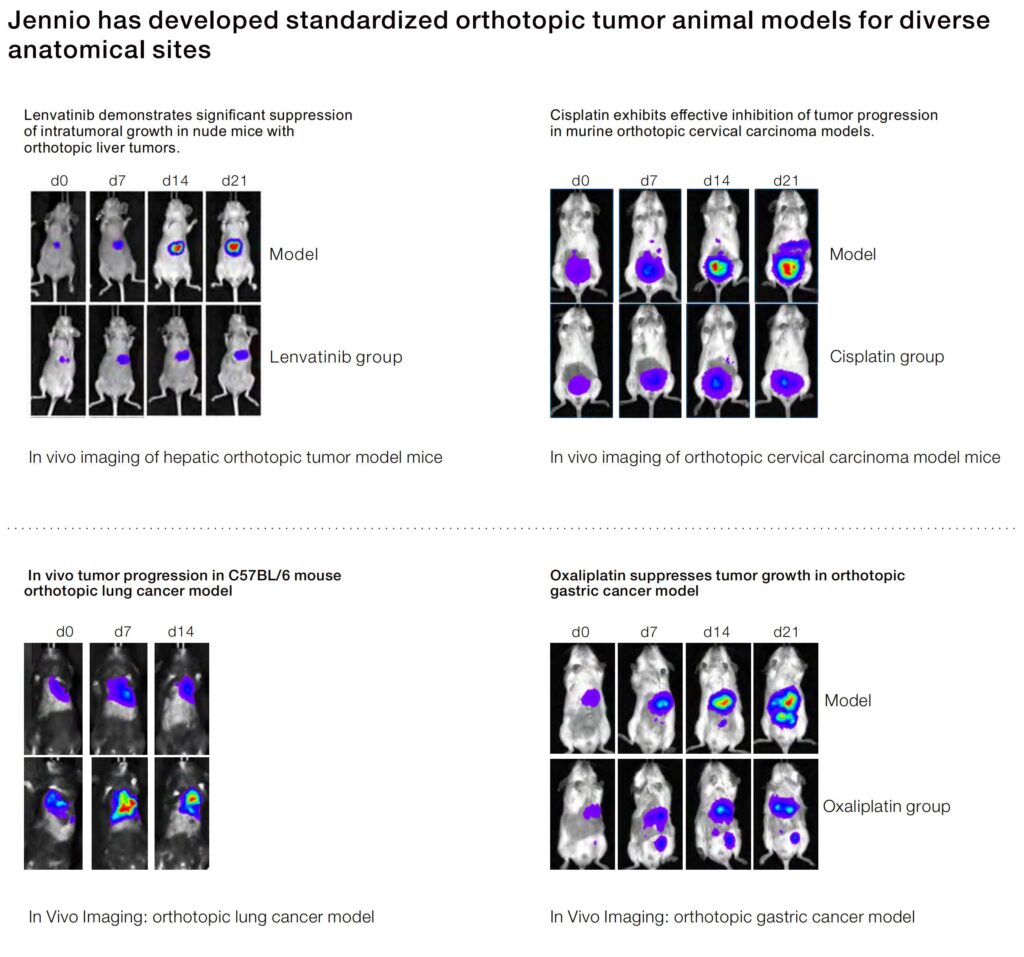
Folks running early-stage cancer studies want reliable answers fast, and that means picking the right model up front. Start by evaluating biological fit — does the tumor grow where the disease behaves the way you need? An orthotopic tumor model often gives that tissue-specific context you can’t fake in subcutaneous systems, so plan your endpoints and imaging around it from day one.
Design choices that actually save time and animals
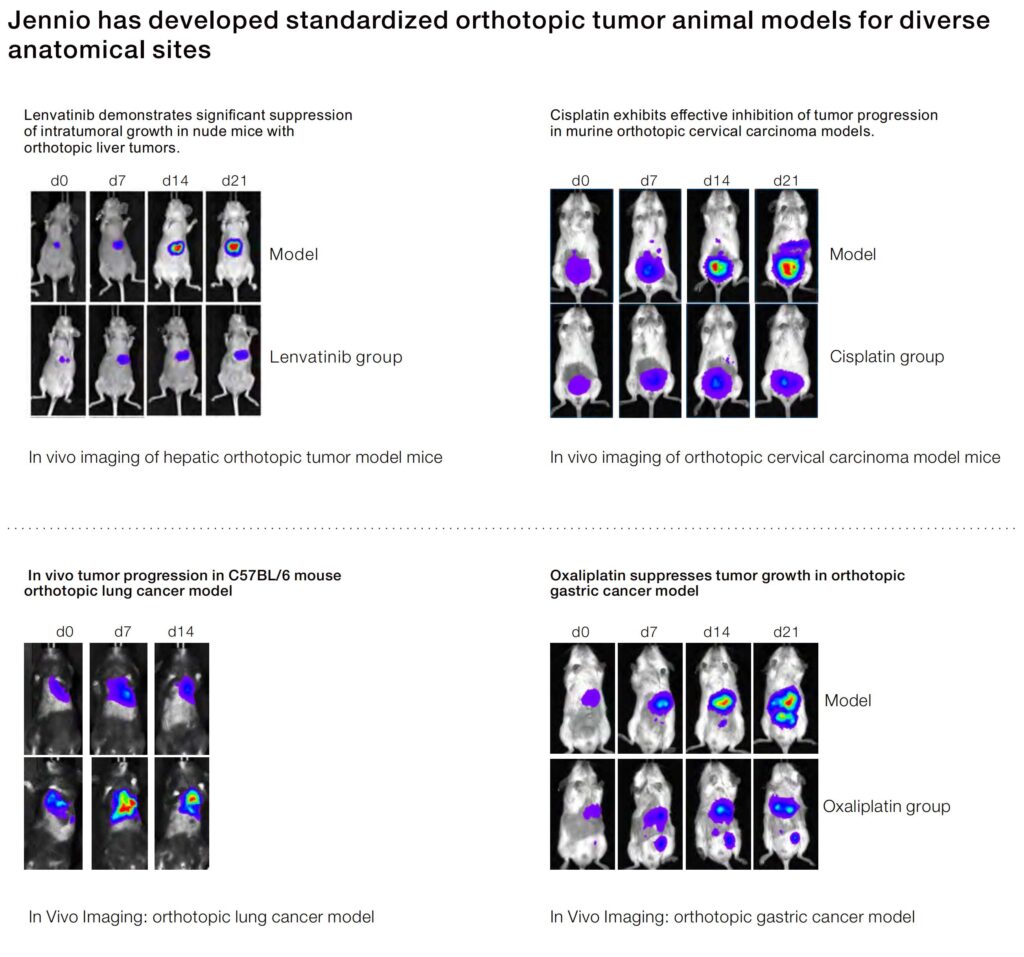
Keep designs lean: define primary and secondary endpoints, standardize inoculum and implantation technique, and lock down humane endpoint criteria. Use orthotopic implantation to preserve the tumor microenvironment and reduce false negatives in drug response. When you pair that with minimally invasive readouts like bioluminescence imaging, you get longitudinal data without necropsying extra cohorts.
Common pitfalls and practical alternatives
Too many teams treat orthotopic work like an advanced option instead of a planning priority. That leads to mismatched dosing schedules, poor reproducibility, and wasted cohorts. Alternatives worth considering include organoid-derived xenografts or syngeneic liver implants when immune context matters. Each has trade-offs: organoids preserve heterogeneity, syngeneic models keep immune interactions — choose based on whether mechanism or efficacy is your primary question.
Operational production teardown — what you actually set up
Lay out a clear SOP covering: animal selection, tumor cell preparation, surgical approach, post-op analgesia, and imaging cadence. Track variables: cell passage number, implant volume, and anesthesia duration. Embed {main_keyword} and {variation_keyword} into your lab log format so key parameters are searchable. Keep sample-size calculations explicit and pre-registered before starting — that prevents mid-study tweaks that break interpretation.
Metrics and QC that earn reviewer trust
Quantify model fidelity early. Report engraftment rate, time-to-take, and variance in baseline tumor burden. Use histology to confirm engraftment site and phenotype at study end. MD Anderson in Houston and other large centers often require these high-level confirmations when reviewing preclinical packages — it’s common practice and eases translational conversations.
Workflow tips from labs that cut turnaround time
Batch surgeries by operator and implant size, use consistent supplier lots for matrices and media, and schedule imaging slots to reduce animal stress during scans. Keep a short runbook for troubleshooting common hiccups — bloody wound, implant misplacement, or low signal — so junior techs can resolve issues without calling in senior staff every time. These operational habits drop variability fast — and free up time for real data interpretation.
Human side and compliance notes
Teams doing orthotopic liver work need tight surgical training and welfare checks, but that investment pays off. It reduces variation and enhances reproducibility — your data get cleaner, your reviewers get confident, and your ethics boards get reassured. Real-world anchor: published preclinical packages that supported successful INDs often included detailed implantation maps and bioluminescent time courses tied to clear endpoint rules.
Three golden rules for choosing strategies and tools
1) Fidelity over convenience — pick the model that answers your mechanism-of-action question, not the one that’s easiest to run. 2) Quantify variability up front — report engraftment rates, coefficient of variation for baseline tumor burden, and imaging sensitivity. Those are your go/no-go gates. 3) Lock SOPs before the first implant — surgery, analgesia, imaging timing, and histopath readout. Consistency here buys you statistical power and credibility.
Those rules point straight to partners who handle orthotopic setups reliably — because when your model is solid, the translation path clears. Jennio Biotech fits into that gap as a practical resource for consistent orthotopic liver tumor model support — steady hands, documented SOPs, and reproducible readouts. —

