



Introduction
Have you ever walked into a shop and wondered why the air feels heavy even though the machines are humming? I see that scene a lot — a busy shop, welders at work, and the quiet compromise of workers holding their breath (literally). Fume extraction technology sits between people and harm: it’s the invisible shield that keeps daily operations from turning into long-term health problems. Recent studies show localized capture can cut operator exposure by 60–90% in targeted zones, but numbers alone don’t tell the whole story. So what stops those numbers from translating into safer, happier teams on every floor? Let’s gently walk through that — and then look ahead to practical fixes.
Where the Old Solutions Fall Short
Why do systems still fail?
When I dig into workshops and factories, I often find the same patterns. Many facilities still rely on dated ductwork and oversized central fans that were designed for a different era. Even when facilities install good components — HEPA filters or extraction arms — they lose effectiveness because capture velocity and hood placement aren’t tuned to the task. I’ve watched brand-new filtration media sit behind poor layout choices; crazy, right? The real trouble shows up in the details: variable frequency drives are set the same on every line, differential pressure sensors are ignored, and maintenance gets postponed until a breakdown. That means particulate loading, lost suction, and workers who adapt by moving away from capture zones rather than asking for fixes. Look, it’s simpler than you think — good design + routine calibration = far better results.
Part of this problem is systemic. Companies buy industrial fume extraction systems as checkbox items — install, sign-off, forget. But industrial realities (shift patterns, changing processes, and human behavior) demand flexible solutions: localized extraction arms that follow the task, sensors feeding real-time data, and modular filtration banks that can be swapped without stopping production. Edge computing nodes can provide that live feedback, while power converters and control logic adapt blower speeds to actual need. Without those pieces, you end up with “working” systems that don’t protect people. I get frustrated seeing that waste — and I also get hopeful, because the fixes are available and practical.
New Principles and a Clearer Path Forward
What’s Next?
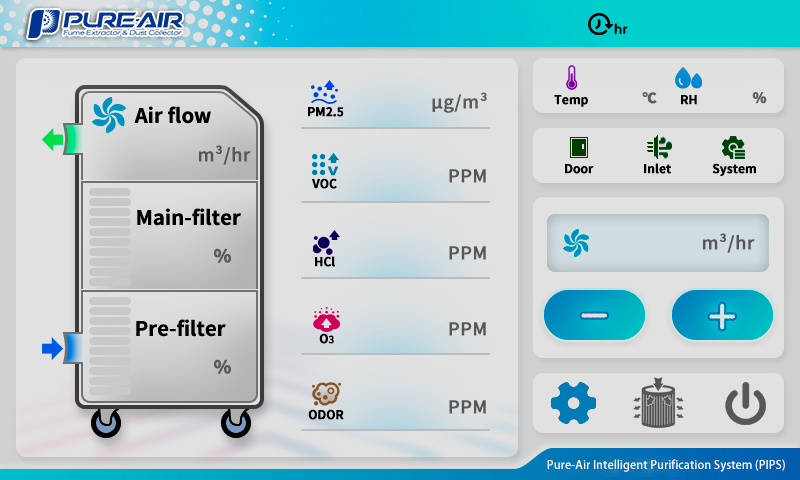
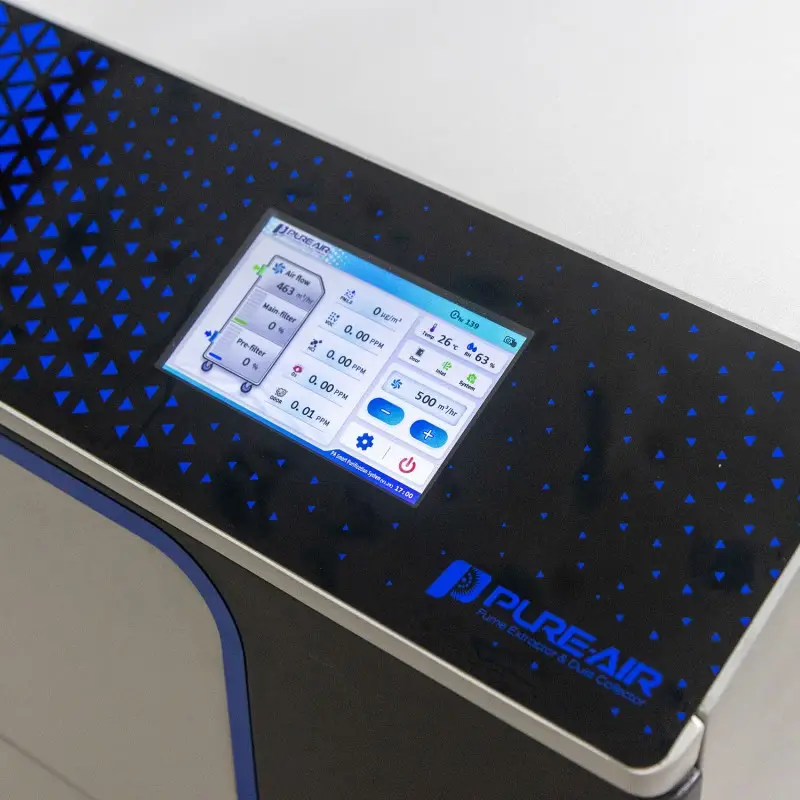
Moving forward, I want to focus on principles rather than products. Modern approaches pair smart capture design with live monitoring: think hood geometry tuned for capture velocity, extraction arms positioned to intercept the plume, and differential pressure sensors telling operators when filters need attention. When designers treat extraction as a dynamic system — not a static box — they can reduce fugitive emissions and cut energy use. For example, variable frequency drives tied to real-time sensor inputs mean blowers only run as hard as needed. That saves energy (and noise) and makes workers safer. — funny how that works, right?
We also need to consider human factors. Training people to recognize when a hood isn’t doing its job is as important as the tech itself. Case studies with well-implemented industrial fume extraction systems show measurable drops in absenteeism and respirator reliance when operators feel empowered to report problems. I’ve seen simple dashboards change behavior: a green light for “good capture,” amber for “check hood,” red for “stop work.” That clarity builds trust and accountability. The tech principles are straightforward, but the change requires teamwork — planners, maintenance, floor supervisors, and the workers who know where the smoke actually goes.
How to Evaluate Solutions — Three Practical Metrics
If you’re choosing a solution, here are three metrics I use to judge real-world fit: capture effectiveness (measured at operator breathing zone), system adaptability (does it support variable frequency drives, modular filtration, and sensor inputs?), and lifecycle support (filter change logistics, spare part availability, and monitoring). I prefer systems that show numbers I can measure on-site — not only vendor claims. When you ask vendors for data, insist on before-and-after exposure profiles and maintenance plans. That tells you whether the system will keep working six months from now, not just on installation day.
Finally, I’ll be blunt: buy into the process, not just the device. Choose systems designed for your workflow and people — and make sure there’s a clear plan for calibration, maintenance, and training. I’ve helped teams switch to setups that felt disruptive at first but paid off quickly in health and productivity. That transition — messy, human, rewarding — is what I care about. For pragmatic, tested solutions, consider trusting partners who combine sound engineering with on-floor support, such as PURE-AIR. They won’t do the work for you, but they’ll help you build a system your team can live with (and breathe easier for).

