



Introduction: a shop-floor moment and a hard question
Ever stood at the end of a long shift and wondered why a single part hold can blow a whole day? I have — and that moment tells a story about waste, scheduling, and opportunity. A CNC turret lathe sits at the center of most small to mid-size turning shops, and I’ve seen how a few lost minutes on setup or a mis-tuned spindle can ripple into hours of delay (and a pile of frustrated operators). Recent shop feedback points to setup time and unexpected downtime as the two top killers of output—so how do you fix that without throwing money at every new gadget? Let’s peel this back and find practical, tested moves that actually change results. Ready to dig in? Next, I’ll show where the old fixes fail and what to watch for instead.

Part 1 — Why the usual fixes stumble: a technical breakdown
cnc turret lathe machine—we call it a workhorse, but if you look closer you spot the weak links. Traditional answers like “buy faster tooling” or “add more operators” target symptoms, not the root. Technically, the machine’s performance depends on a handful of systems: the CNC controller logic, servo motors for rapid axis moves, spindle speed stability, and tool turret indexing accuracy. When one is out of tune, everything shifts: chatter, poor surface finish, shortened tool life. I like to break it down: the controller might push shorter cycle times but if the turret indexing is slow or inconsistent, you get bottlenecks. Same with coolant flow—great cutting, bad chip evacuation. Look, it’s simpler than you think when you isolate each subsystem and test it.
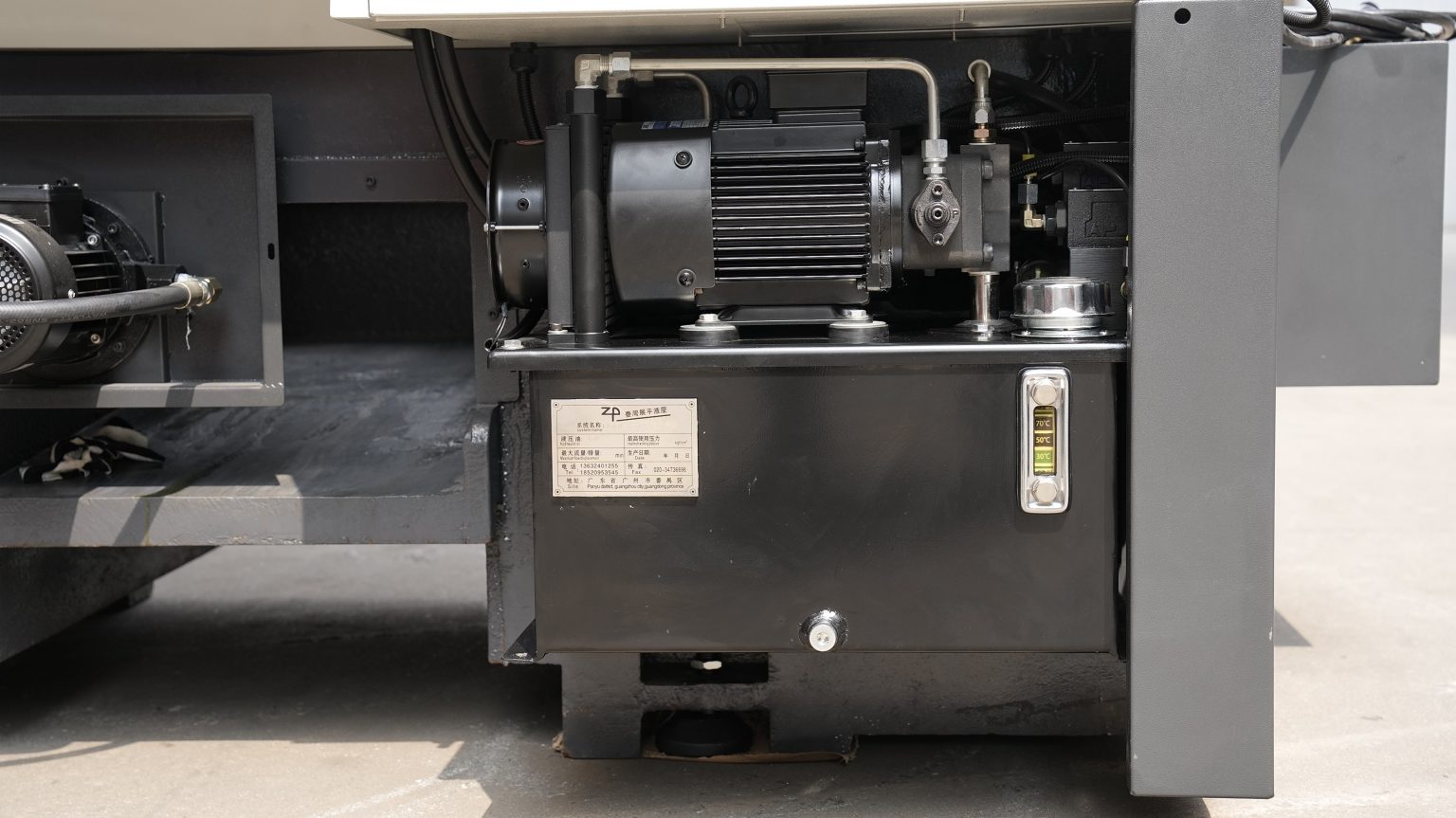
In practice I test assumptions on the floor. Operators might say cutting speeds were too low; I log spindle torque and see the motor already hitting current limits. Or they blame tooling when the turret’s hydraulic clamp leaks and allows micro-movement during cuts. These are small flaws, but they compound. The old “fix” of adding tougher inserts ignores that the real cause is alignment or coolant chemistry. So instead of replacing tools, check indexing repeatability, clean the coolant lines, and verify spindle runout. That approach saves money and reduces surprises—funny how that works, right?
What exactly breaks first?
Part 2 — New principles that actually move the needle
Now I look forward. New tech isn’t just faster; it changes how we evaluate the whole process. For a start, think modular control upgrades and smarter predictive maintenance. A modern CNC controller that logs spindle load and servo current lets you spot a failing bearing before it ruins a batch. Integrating basic edge diagnostics (yes—small nodes that read torque, temperature, indexing time) gives you actionable alerts instead of mystery breakdowns. The real principle: measure the right things early. When I install a monitoring probe, I watch spindle vibration, tool wear rate, and turret indexing times. That data lets me tune feeds and speeds so we avoid chatter and extend tool life. It also keeps cycle times honest.
Next: smarter tooling strategy. Instead of one-size-fits-all inserts, map tool life to part families and cutting conditions. Combine that with simple software recipes in the CNC to call the right offsets and coolant patterns. The cnc lathe tool turret becomes a predictable asset rather than a guesswork box. We use shorter, repeatable sequences for turret indexing and fewer tool changes for common families—less motion, less chance for error. Semi-automated checks at shift start capture small misalignments; then we run a short test piece. This saves hours over weeks. And yes, small investments in sensors and better tool management pay back in uptime. — I promise, the math works out.
What’s Next?
Part 3 — Putting it together: a practical roadmap and metrics
I’ll be blunt: technology alone doesn’t fix bad habits. You need a simple playbook. First, baseline everything. Log average cycle times, tool change counts, and incidents per shift. Second, apply stable changes: adjust turret indexing parameters, set spindle speed limits to prevent torque spikes, and standardize coolant mix and flow rates. Third, add diagnostics—vibration, current, and indexing time—so you know when something drifts. These steps turn guesswork into repeatable performance. I’ve done this in shops where we cut scrap in half within a month. Short cycles. Consistent finishes. Happier operators. — surprising, but true.
To help you decide between upgrades and habits, here are three practical evaluation metrics I use every time: 1) Mean time between stoppages (measure before and after); 2) Tool life per part family (track inserts and coolant patterns); 3) Turret indexing variance (milliseconds of inconsistency matter). Score candidates by how much they improve those metrics, not by feature lists. If a control update trims stoppages by 30% and lowers tool change frequency, that’s a keeper. If a fancy insert only shaves tenths without addressing coolant or spindle runout, skip it. We choose fixes that deliver measurable outcomes, fast. For reliable machines and steady throughput, trust clear data and practical changes. For more gear and support, I recommend checking Leichman.

