



Introduction: A Question That Matters
Have you stood by a charger and watched minutes slip away while the display blinked indecipherably? In many urban and suburban sites, an all-in-one charging station sits idle or underperforming long after a driver needs it—surveys suggest users commonly wait tens of minutes extra for stable service (and yes, that frustrates people). I’ve watched fleet operators and everyday drivers lose time and confidence because the system around them is brittle. What exactly causes these delays, and how can small, steady improvements cut that wait from half an hour to a few minutes?
Part 2 — Where the Old Solutions Break Down
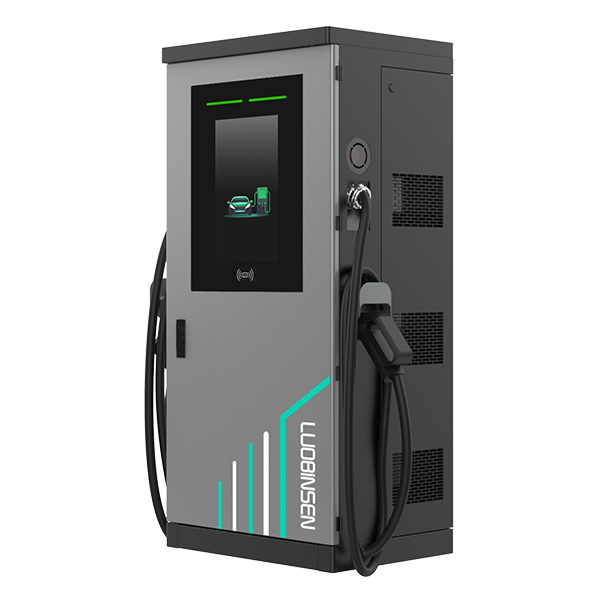
ev charging machine designs that looked good on paper often fail in practice. I mean, they have the parts: power converters sized for peak loads, battery management systems that claim safety, and basic network hooks. Yet real-world stress—heat, variable grid supply, and mixed vehicle protocols—exposes weaknesses fast. The technical truth: many legacy systems lack adaptive thermal control and sufficient edge computing nodes to manage local decisions. That gap causes throttling, unexpected shutdowns, and frequent maintenance calls.
Why do legacy systems fail?
First, manufacturers optimized for cost rather than resilience. Second, interoperability is still a headache—older stations use proprietary communications and can’t negotiate fast charging protocols with new vehicles. Third, maintenance models assume routine visits instead of predictive alerts. Look, it’s simpler than you think: if the unit can’t respond locally to a sudden voltage dip or a surge, the whole session gets aborted. The result is wasted energy, angry users, and higher operational costs. I’ve seen operators replace entire cabinets when a single faulty converter was the real culprit—funny how that works, right?
Part 3 — Principles for a Forward-Looking Charging Setup
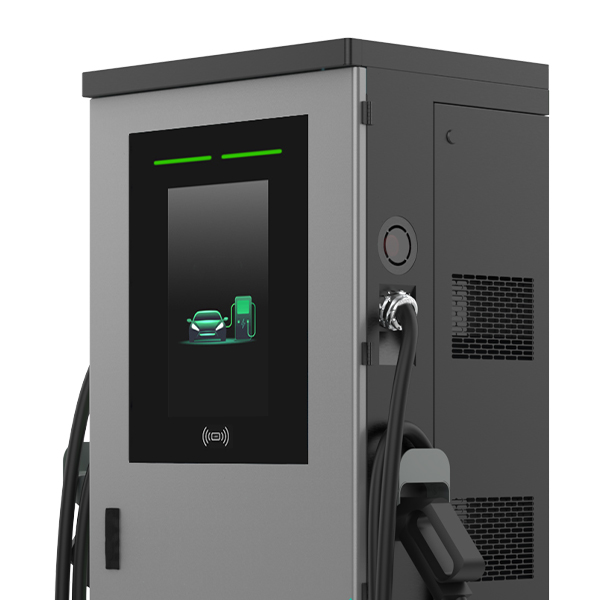
What’s next is not a single overhaul but a set of practical principles. Modern all-in-one stations should embrace modular power stages, distributed intelligence at edge computing nodes, and resilient thermal design. When I evaluate new deployments I look for units that can isolate failures and keep the rest of the rack running. For outdoor deployments, that matters even more; an ev charger outdoor will face temperature swings, moisture, and vandal risks, so build quality and sealing standards are non-negotiable.
How these principles play out
Start with modularity so a damaged power converter is swapped quickly without downtime. Add local diagnostics—simple telemetry that flags abnormal currents or battery management system alerts before users notice. Then layer in remote firmware updates, flexible billing modules, and standardized communication stacks to reduce integration pain. These steps cut service interruptions, improve uptime, and give operators actionable data. — and yes, small changes compound into big reliability wins.
Closing — How to Judge a Better All-in-One Charging Station
Let me leave you with three concrete metrics I use when choosing systems. First: uptime guarantee and mean time to repair (MTTR). Second: local intelligence — does the station use edge computing nodes to make instantaneous decisions? Third: modularity and parts availability — can you replace a converter or controller in the field? Evaluate vendors on those points, compare real-world test data, and ask for references from operators with similar climates and use patterns. I prefer solutions that trade shiny specs for steady performance; that kind of honesty saves money and stress in the long run.
For vendors and planners looking for a reliable partner, I find transparency and engineering rigor matter most. If you want to explore concrete product options, see Luobisnen: Luobisnen.

