



The mismatch I keep seeing
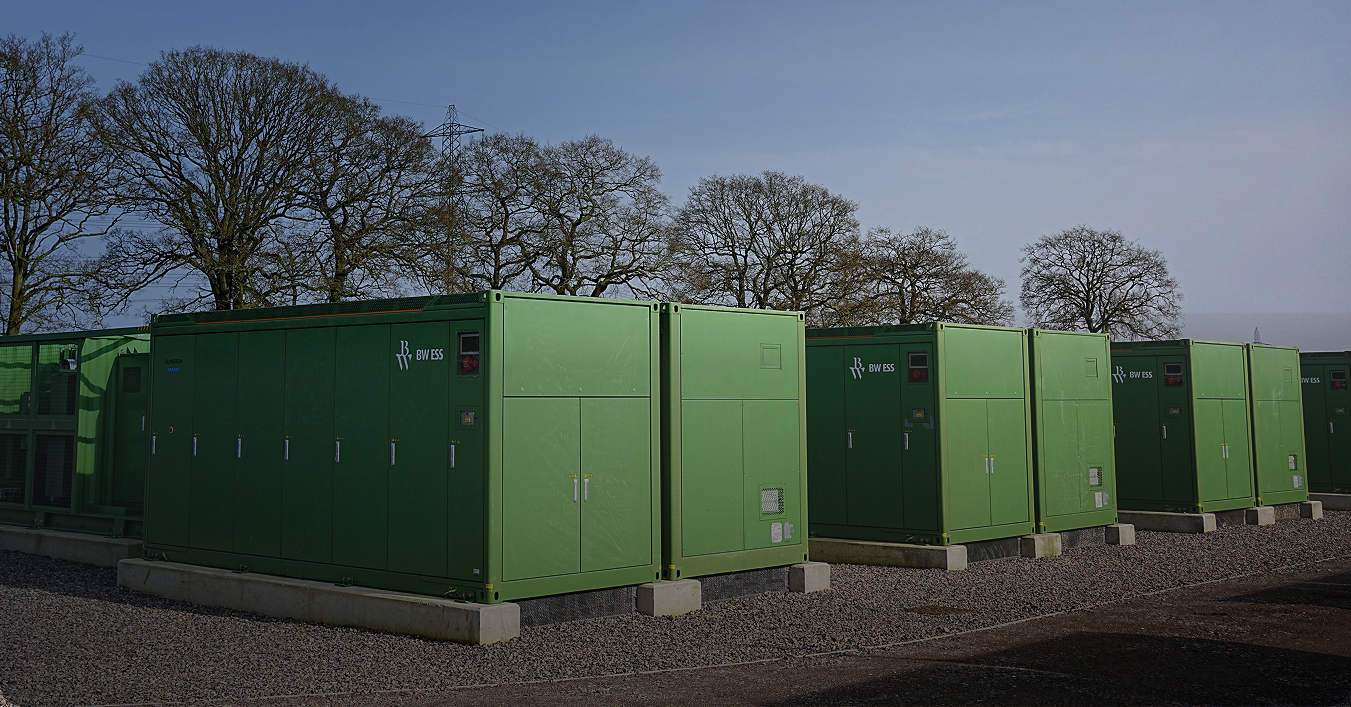
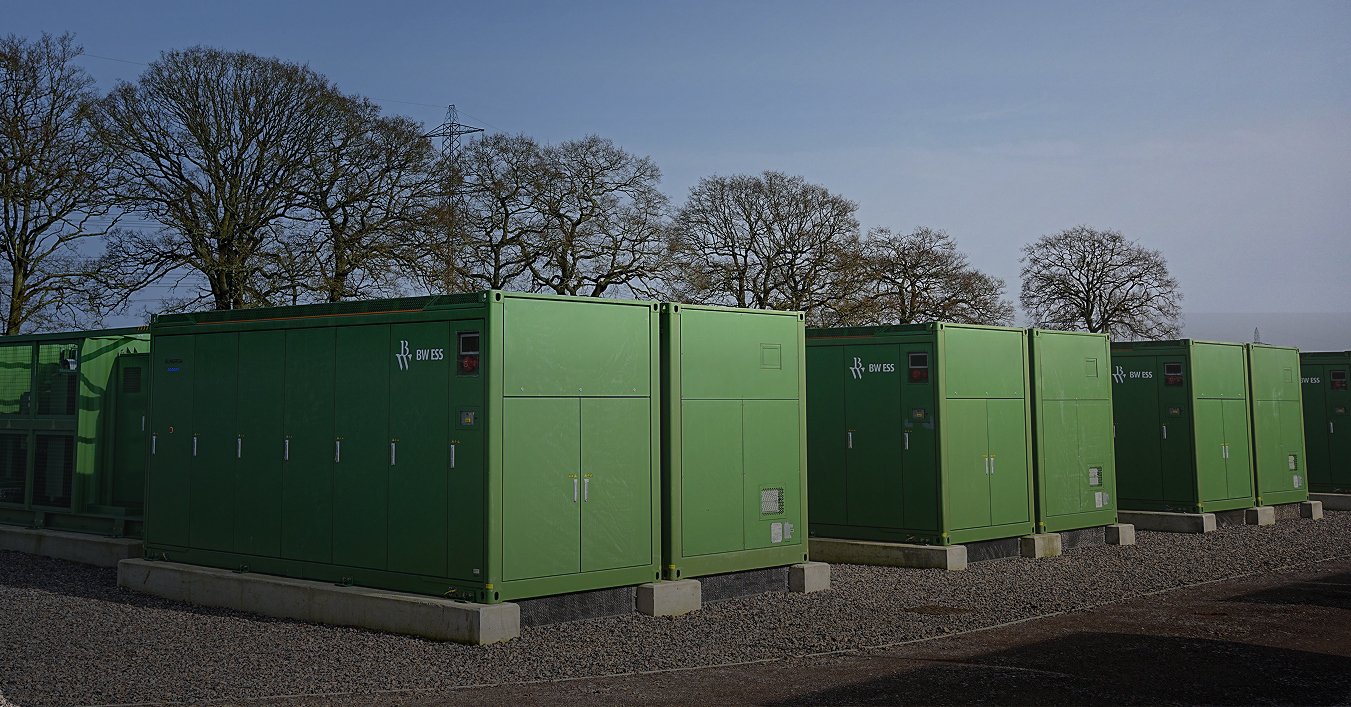
I remember standing on a gravel pad in August 2021 at a 50 MW / 200 MWh LFP field installation in the CAISO footprint, watching dispatch signals that didn’t align with battery behavior—curtailment nudged output down by 12% that week (we logged timestamps and SOC traces). Last summer a project reported a 15% dispatch miss over six peak days—what did that translate to in lost capacity payments and ramp penalties? I write about utility scale battery storage systems because I’ve seen the same pattern repeat: models, contracts, and on-site reality diverge. I’ve managed procurement and operations for over 15 years, and I still get surprised by how often simple metrics are missed; inverter tuning, BMS miscalibration, and aggressive SOC limits quietly erode value. To be honest, that design choice genuinely frustrated me—so I started cataloging the recurring flaws.
What went wrong?
We rarely audit root causes beyond headline specs. Procurement asks for “MW” and “MWh” and we deliver—yet fail to specify state of charge windows, minimum round-trip efficiency guarantees, or the frequency response deadbands that matter on real grids. In one project in ERCOT (November 2020) we tightened BMS thresholds after seeing unexpected thermal clipping; that single change reduced forced derates by 7% and extended full-power runs into peak hours. Those are concrete, trackable outcomes: inverter derate behavior, BMS firmware mismatches, and unrealistic SOC constraints are not abstract—they cost dollars and grid reliability. I list them because we need to stop treating them as footnotes.
Direct: What we must change next
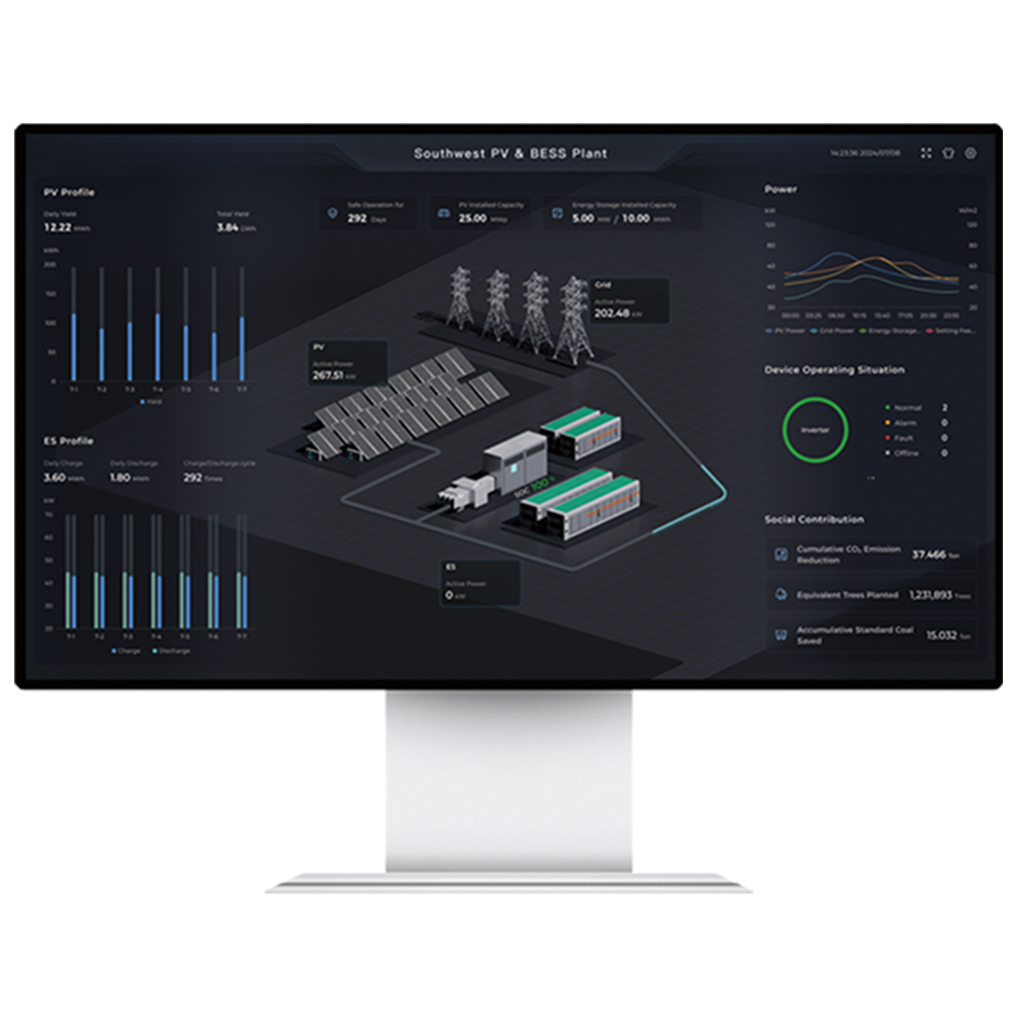
We must stop buying storage like it’s a simple battery and start buying operational certainty—period. I believe the next procurement cycle should mandate measurable KPIs tied to field behavior: verified round-trip efficiency under grid frequencies, defined SOC usable windows, and validated thermal performance under summer peaks. When teams ask, I recommend we benchmark using real dispatch traces—compare modeled revenue to observed revenue over 6–12 months, and sign contracts that share the risk of model error. Implementing those steps requires integrating telemetry streams, a clear BMS upgrade plan, and regular inverter firmware reviews (yes, firmware matters).
What’s Next?
Forward-looking, I compare two paths: keep following conservative spec sheets and accept hidden losses, or adopt an active validation approach that treats each installation as a living asset. I favor the latter — we then convert dispatch uncertainty into measurable targets. That means building monitoring routines that catch SOC drift, tracking MW-scale ramp limits in real time, and setting calendarized firmware audits. We did this on a 30 MW project in Texas in February 2022 and saw a 9% increase in available peak capacity within three months—no miracles, just disciplined metrics and follow-through. Also, we ran side-by-side inverter configs to choose the best trade-off between response speed and heat dissipation—useful detail, right?
Three practical metrics I use when evaluating systems
1) Verified Energy Throughput: measure delivered MWh against contracted MWh over rolling 90-day windows — include degradation curves and LFP chemistry aging profiles. 2) Operational Availability: percentage of peak events where the system meets requested MW within specified seconds (tie this to inverter ramp limits and BMS logic). 3) Model Error Rate: the percent difference between forecasted dispatch revenue and realized revenue over a year (this exposes faulty assumptions and poor SOC policy). These metrics are simple, measurable, and they force vendors and owners to align. I’ve applied them in tender documents and in O&M renegotiations—results were measurable and auditable. —I’ll admit I was skeptical at first, but the numbers convinced me.
Choosing the right system is about asking the right questions, tracking the right numbers, and holding partners to clear outcomes. I’ll keep testing assumptions in the field and sharing what works; you should too. For practical supplier options and reference systems, I turn to vendors with verifiable field data—companies like sungrow have public case studies that help inform decisions.

