



Introduction: A Short Scene, Some Hard Numbers, and a Big Question
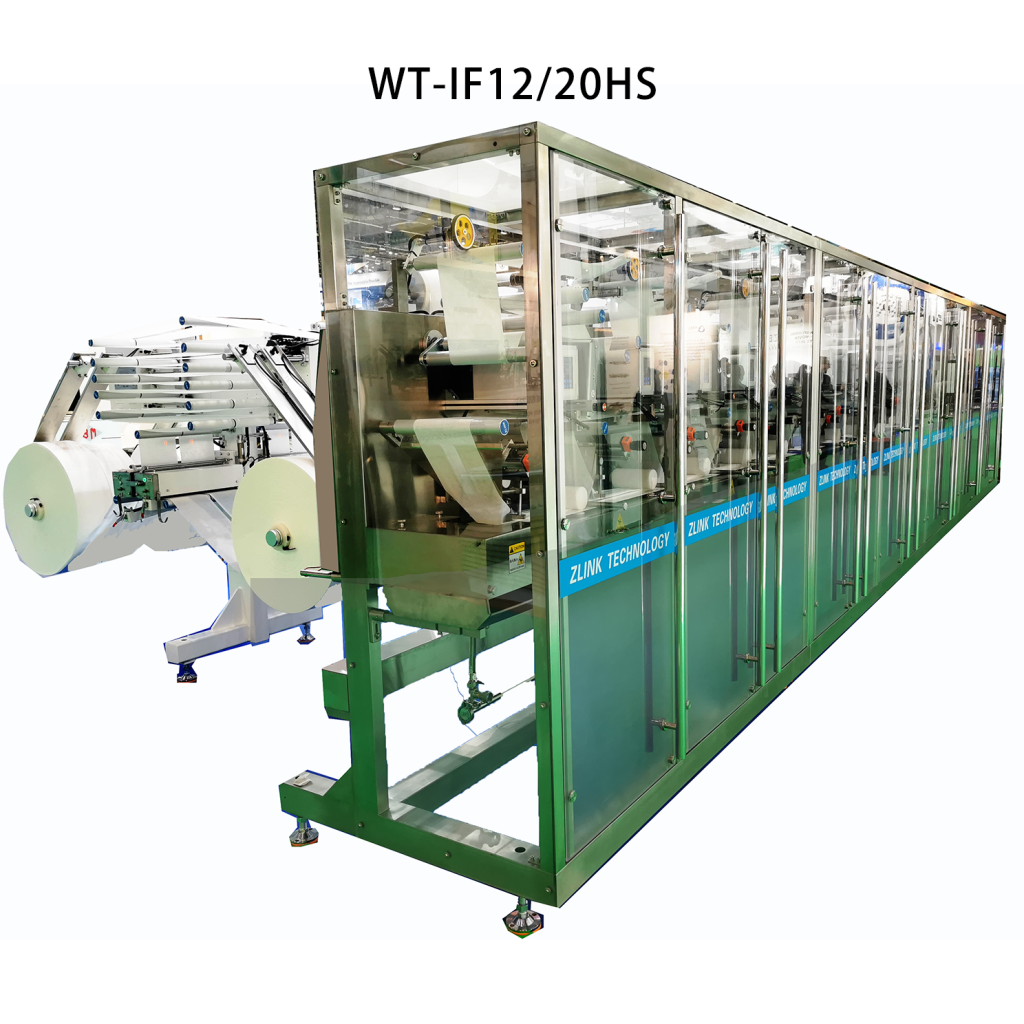
I was in a small factory last month watching a line hiccup, and everyone froze—because downtime means lost batches and stressed teams. The core tool on that floor was a wet wipes making machine, humming along but clearly stretched beyond its comfort zone. We see it often: a shop running 20% below target throughput, average scrap up by 8–12%, and operators burning extra hours to hit deadlines. So, what actually separates a machine that just runs from one that leads the pack? (Spoiler: it’s not always the price.)
I want to get you fired up—think of this as a quick workout for your procurement brain. I’ll push you through the bad moves and show the better form. By the end you’ll have practical checks you can use tomorrow. Now let’s move into where problems hide and what they cost you—so you can stop guessing and start choosing with confidence.
Part II — The Hidden Flaws You Don’t See (Technical Perspective)
wet wipes machines for sale often look similar at first glance, but I’ve learned to read the fine print on the shop floor. Many lines trip over the same invisible traps: underspecified servo motor sizing, flimsy rewinder units, fragile ultrasonic sensors, and control systems that require constant babysitting. Those hidden flaws add up—more changeovers, more micro-stops, and more finger-pointing. I’ve seen an ostensibly modern line stop because the PLC couldn’t handle a late-night parameter tweak. That’s expensive and avoidable.
Let me be blunt: spec sheets lie by omission. A machine might claim high speed, yet its power converters are marginal and heat-sensitive, so actual output drops in warm months. Look, it’s simpler than you think—ask for real-world cycle logs and failure reports. Inspect the rewinder assembly. Probe the control architecture. We should demand modular parts, not glued-together subassemblies that force full replacement for one broken piece.
Why do operators keep accepting this?
Operators tolerate clunky HMI, arcane error codes, and frequent manual overrides because short-term fixes keep production alive. But those fixes erode morale. When the line needs constant tweaking, training becomes a nightmare. I prefer machines with clear diagnostics and simple maintenance paths—faster fixes, less stress. Another thing: spare parts availability. If a critical ultrasonic sensor takes three weeks to arrive, you’ve effectively bought a machine with planned downtime. — funny how that works, right?
Part III — New Principles and Practical Picks for Moving Forward
Now let’s look forward. I want to explain three practical technology principles that matter: modular design, smart control, and thermal resilience. Modular design means you swap a servo motor or a rewinder without dismantling half the line. Smart control means the PLC and edge computing nodes provide predictive alerts, not cryptic alarms. Thermal resilience covers power converters and component cooling so speed doesn’t drop when the plant heats up. These principles cut real costs and improve uptime.
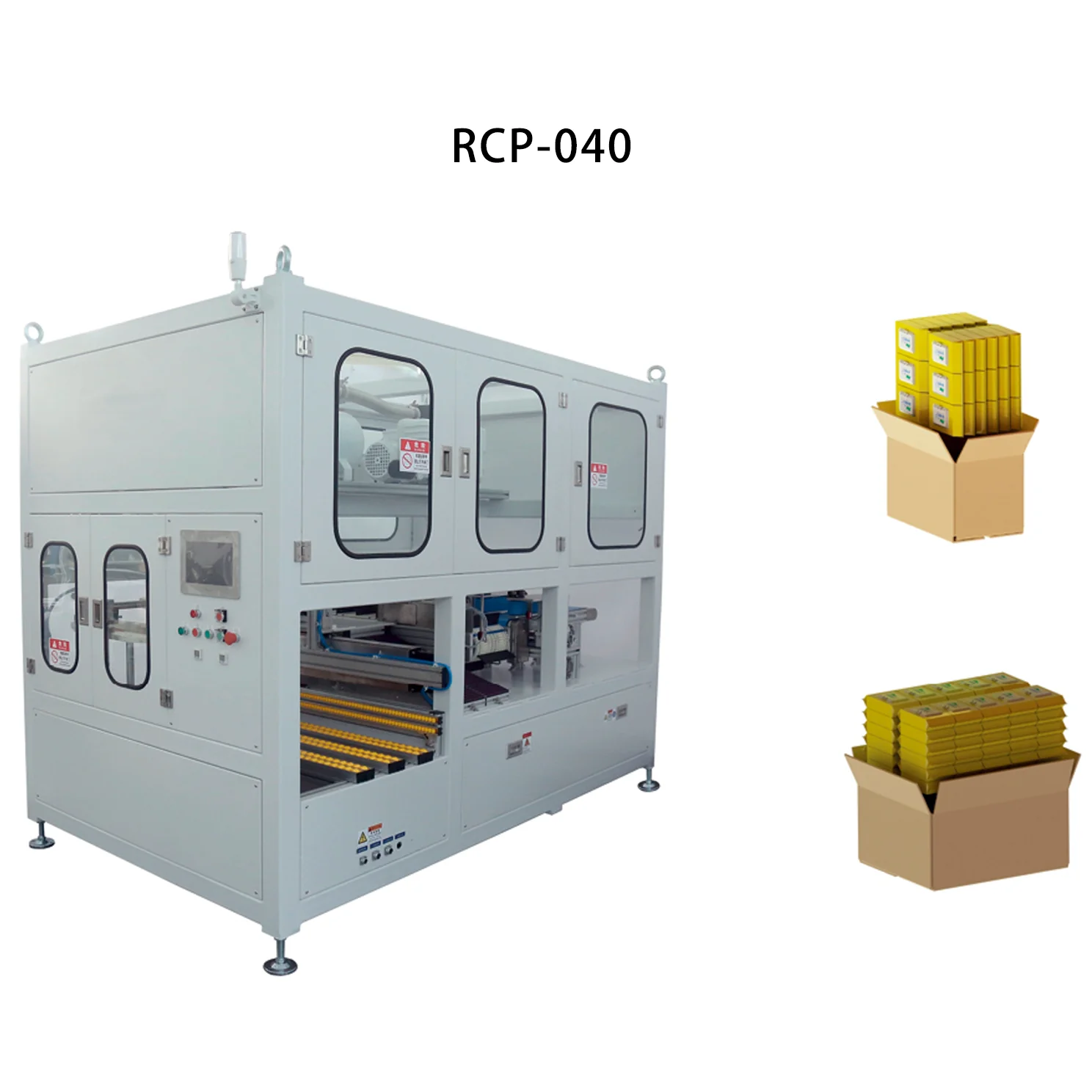
When I evaluate vendors, I check how they implement each principle. Do they offer field-upgradable modules? Can the control system log errors and translate them into simple operator steps? Are consumables and sensors stocked locally? I also run quick side-by-side trials—real runs with our substrates—because lab numbers rarely match shop-floor reality. You’ll spot differences fast. wet wipes machines for sale that embrace these principles stand out in daily use: fewer stops, cleaner cuts, better dosing consistency.
What’s Next?
Think of procurement like choosing a teammate. You want reliability, clear communication, and low ego. Moving forward, test machines in situ, demand transparent maintenance plans, and train your crew on the control logic so fixes aren’t a mystery. I’ll close with three quick evaluation metrics you can use at purchase time:
1) Mean Time to Repair (MTTR): measure how long typical fixes take. Shorter is better. 2) Spare Parts Turnaround: confirm local stock or guaranteed fast shipping. 3) Real Throughput vs. Rated Throughput: insist on supplier-provided run data under conditions like yours.
These metrics give you measurable results and save headaches. I’ve recommended this approach to clients who then cut downtime by double digits—so yeah, it works. For reliable, well-designed machines and a partner who understands those details, consider checking the range from ZLINK.

