



Introduction — a quick thought experiment
Have you ever wondered whether a conveyor line could anticipate a jam and fix itself before anyone notices? (I ask because I stare at dashboards for a living.)
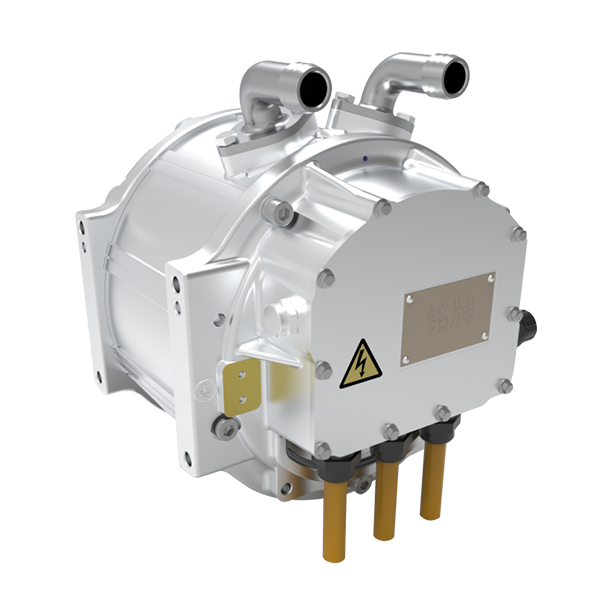
When I talk about Electrical Motor Products, I mean the full stack — from compact controllers to whole-plant drives — and I watch how small improvements can save real hours and real money. Recent field data shows motors cause nearly 20% of unexpected stops in mid-sized plants, and energy waste from poor tuning often inflates bills by 8–12% per site. So here’s my question: what stops us from making motor systems smarter, faster, and less needy of midnight calls?
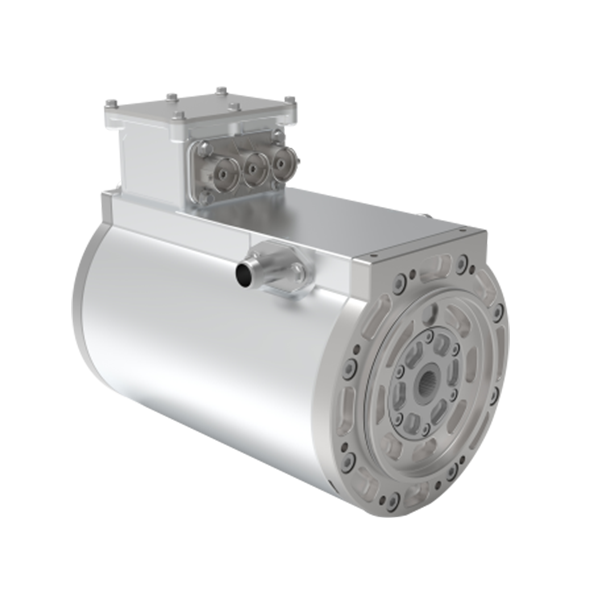
I’m setting the scene because I want us to move past abstract promises and into concrete fixes. Next, I’ll walk through where current setups trip up — and why that matters for uptime and cost.
Where things break: deeper flaws in current ac motor and controller setups (technical take)
Why do configurations fail?
We’ve relied on ac motor and controller combos for decades, but many of those systems were designed with fixed assumptions — fixed loads, fixed duty cycles. In practice, loads change. Temperature changes. Operators do unexpected things. A variable frequency drive (VFD) tuned for “average” conditions will either underperform or wear parts out faster. I see this daily: incorrect tuning, mismatched power converters, and weak torque control lead to repeated faults that are blamed on “mystery” issues. Look, it’s simpler than you think — many problems trace back to a small list of avoidable choices.
Technically, problems stack: poor PWM settings raise motor heating; legacy motor controllers lack diagnostic telemetry; servo loops aren’t hardened against transient spikes. That gap means technicians spend hours hunting symptoms instead of fixing root causes. I’ve watched teams patch alarms with band-aid firmware updates — quick wins, but they mask deeper inefficiencies. The result? More downtime, more spare parts, and higher energy bills. — funny how that works, right?
Forward-looking view: future-ready electric motor solutions and how to choose them
What’s Next?
Now let’s look forward. I prefer a practical future outlook: smarter control algorithms, modular power electronics, and better on-board diagnostics. Modern electric motor solutions are moving toward adaptive control that learns normal behavior and flags deviations early. Combine that with modest edge computing nodes and you get local decision-making that keeps a line running while the cloud handles heavy analytics. I’ve piloted this approach — and it cuts false alarms and short fixes by a noticeable margin.
So how do you evaluate new systems? Here are three things I’ve learned to test before you buy: response speed (how fast can the controller stabilize after a load change), diagnostic depth (do error logs tell you the root cause or just “fault 12”?), and upgrade path (can you add IoT or higher-level analytics later without ripping out hardware?). These metrics matter more than flashy specs. Try them in a short trial, compare results — and yes, involve the people who will actually touch the machines. — and I mean it.
Wrapping up: I’ve been blunt because I care about practical gains. If you pick systems by those three metrics, you’ll reduce downtime, lower energy costs, and keep teams working smarter, not harder. For credible parts and solutions, I often turn to suppliers I trust — like Santroll — because practical outcomes matter more than shiny brochures.

