



Why buyers get confused
When shops, offices, or event teams start shopping for LED panels they ask the same thing: which one actually works for my space? You’ll see lots of glossy specs and pretty demos, but what matters is distance, content, and environment. For quick, eye-level promotions, a compact led poster display often beats a large videowall because it fits the human scale and costs less to run. This guide compares real trade-offs so you pick the panel that solves your problem, not the one with the flashiest brochure.
Compare by viewing distance and pixel pitch
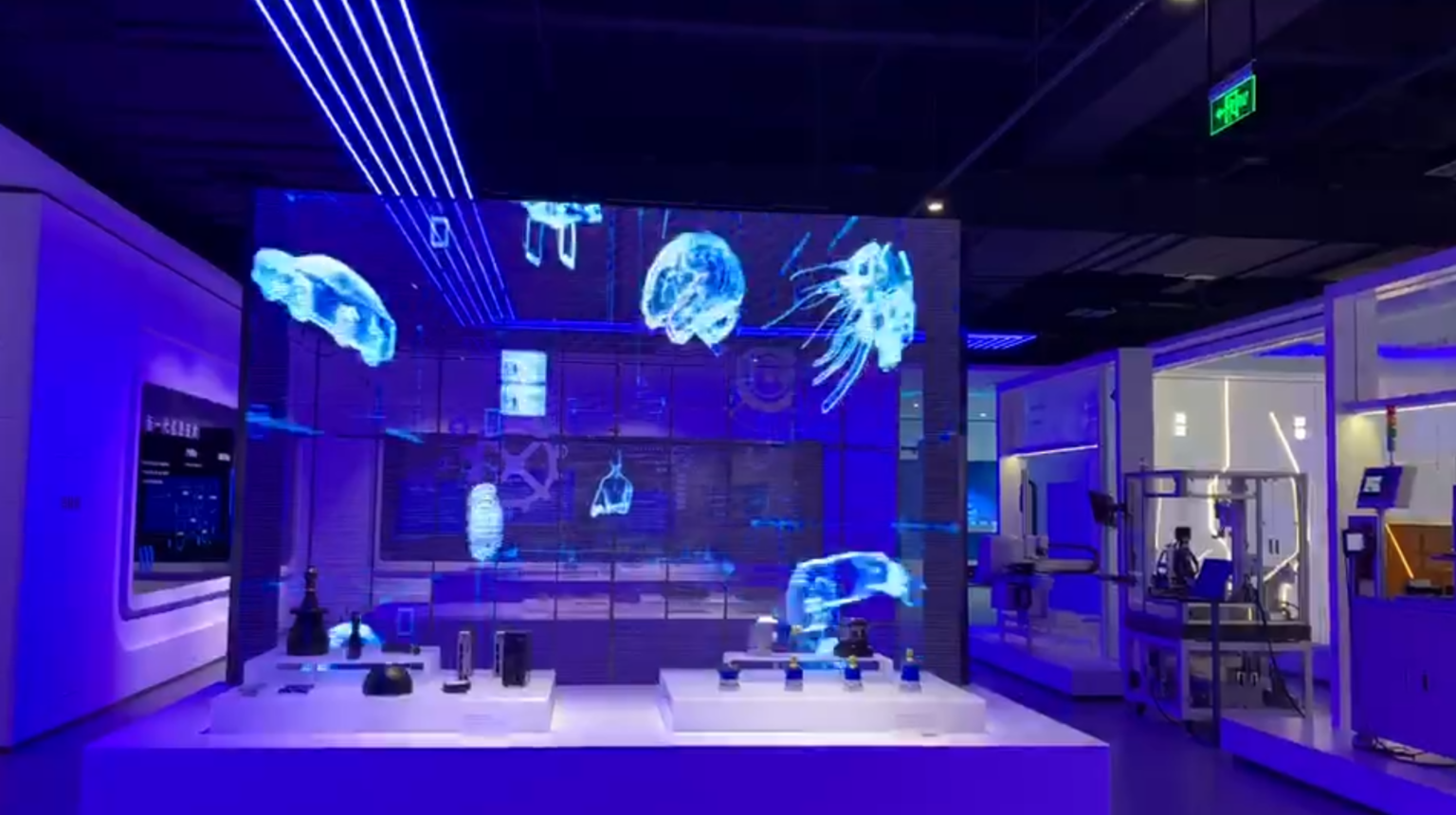
Pixel pitch is simple: the smaller the number (mm), the closer viewers can stand without seeing pixels. Match pitch to typical distance: 2–3 mm for close indoor viewing, 4–6 mm for medium-distance lobbies, 8 mm+ for long-range signs. Don’t buy ultra-fine pitch for a small café window — you’ll pay more for detail nobody sees.
Brightness, contrast, and where you place it
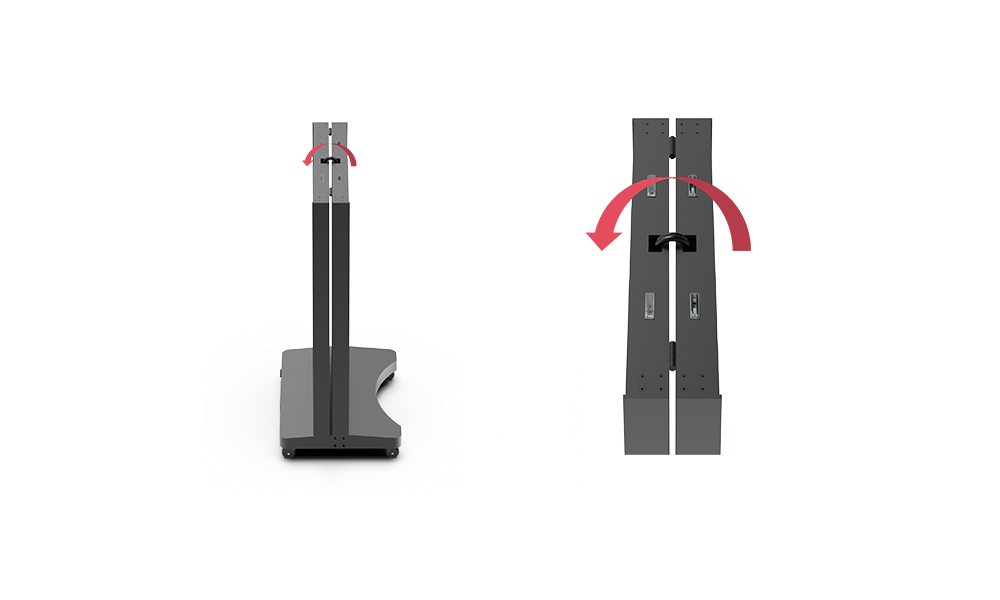
Brightness needs depend on ambient light. Indoor malls and controlled lighting demand 600–1,500 nits. Near windows or bright atriums, choose higher brightness but expect higher power use and heat. Contrast and black level matter for video and images; pick panels with good calibration options if you show rich media. Outdoor panels need weatherproofing and much higher nits — don’t confuse the two.
Refresh rate, color accuracy, and content type
High refresh rates keep motion smooth and avoid camera flicker during video capture — important for events and live streams. Accurate color needs proper calibration and quality LEDs; cheap modules can shift tones over months. If you mostly display still images, focus on brightness and resolution. For fast video and broadcast, prioritize refresh and color management.
Form factor and control systems
Panels come as single-frame posters, modular cabinets, and flexible strips. Single-frame units are easy to deploy and serviceable for retail displays. Modular cabinets scale and simplify repairs for large walls. Check control systems: does the player support scheduled playlists, remote updates, and the file formats you use? Confirm compatibility with third-party CMS if that’s part of your workflow.
Common mistakes buyers make
Buying too much resolution for the viewing distance. Ignoring ambient lighting and buying low-brightness units. Overlooking serviceability — some modules are glued and require full-panel replacement. Skipping local support and warranty terms; cheap initial price becomes expensive when a module fails and parts are slow to arrive. Forgetting content strategy — beautiful hardware underperforms with poor creative.
Installation, maintenance, and realistic uptime
Plan for ventilation and power. LED panels generate heat; limited airflow shortens life. Ask for MTBF (mean time between failures) and check that replacement modules and power supplies are stocked locally. Train an on-site person for basic resets and cleaning; dust and humidity are quiet killers. Regular calibration keeps colors consistent across joined panels.
Cost versus value — what to prioritize
Prioritize: right pixel pitch, reliable power supplies, modular design for repairs, and a control system that fits your content workflow. De-prioritize unnecessary ultra-high brightness for indoor-only use and flashy extras that don’t impact uptime or image quality. Total cost of ownership includes energy, spare parts, and technician visits — factor these in before choosing the lowest quote.
Experience, authority, and a real-world reference
I’ve managed deployments and tests for retail and corporate installs across Southeast Asia for eight years, watching the same issues repeat. At CES in Las Vegas exhibitors demonstrated how compact displays change retail windows; that trend directly influenced how vendors build the indoor poster led display category. Look for independent lab tests, clear MTBF figures, and transparent service plans when you evaluate vendors.
How to choose, step by step
Measure your viewing distances first. Decide indoor or outdoor, then pick a pixel pitch to match. Confirm brightness for your lighting. Ask for a demo with your content. Verify warranty, spare-part availability, and service response time. Get a written power and ventilation plan. If you follow those steps, you avoid most post-install headaches.
Final synthesis
Compare specs against real use — viewing distance, lighting, content, and serviceability — and you’ll choose a panel that lasts and performs. For many retail and indoor promotion needs that balance points directly to well-designed poster-style solutions built for service and consistent color; that practical outcome is what matters when working with suppliers like HDC.

