



Where traditional fixes fall short
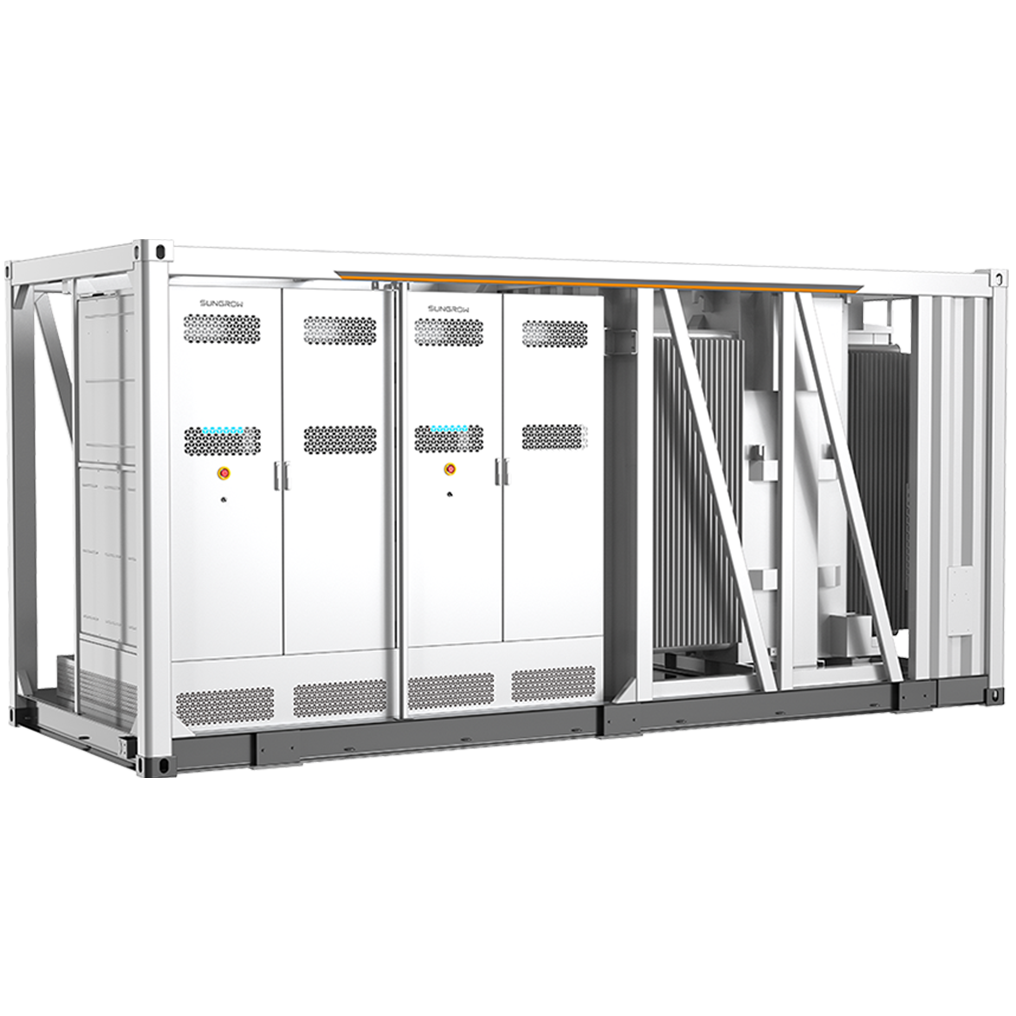
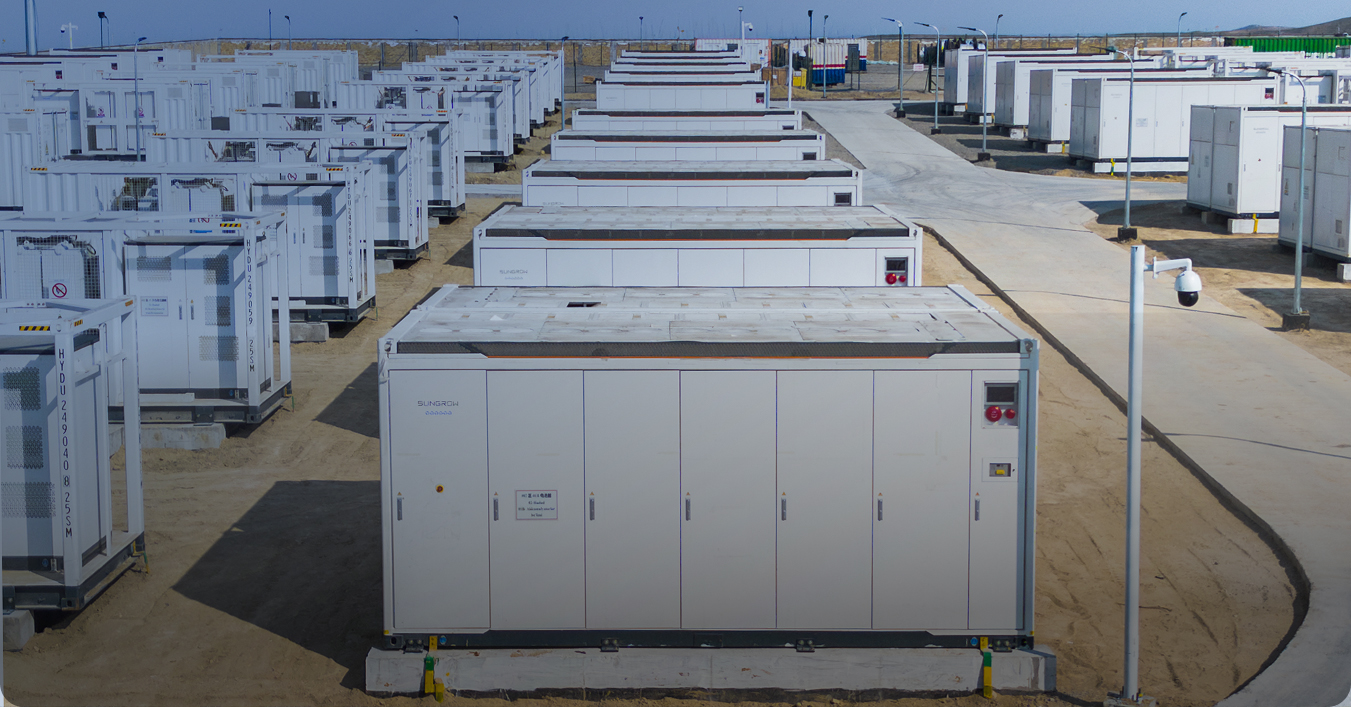
I remember standing on a dusty project site in Kern County in June 2019, watching crews unpack a 100 MW lithium-ion skid intended for utility scale battery energy storage systems (we were proud, honestly). The morning after commissioning, the plant operated below forecast because grid signals and dispatch logic didn’t match the physical design — and utility scale battery storage sat idle during two evening peaks. After a summer heatwave pushed peak demand to 48 GW and our assets reported 40% idle time, what operational change actually closes the revenue gap?
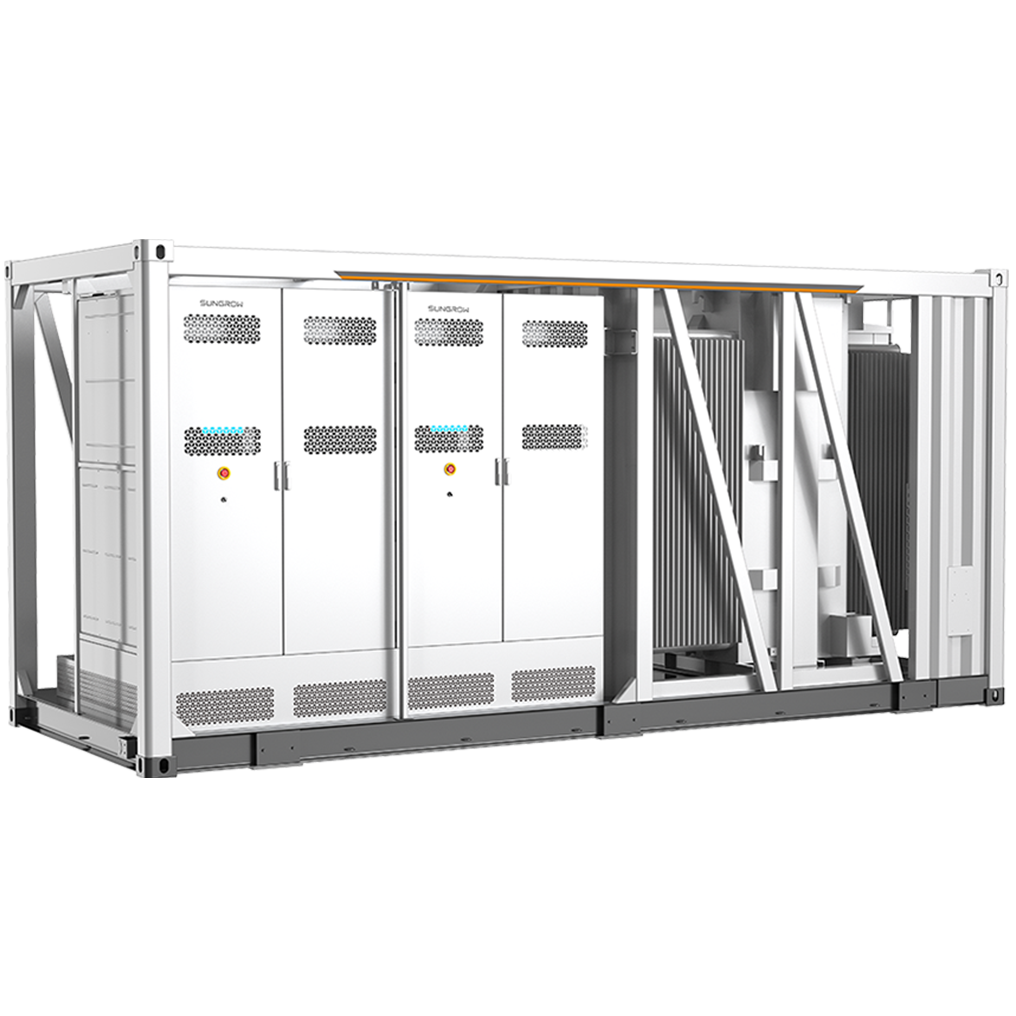
I’ve run procurement and operations for more than 18 years, and I’ve seen the same pattern repeat: teams buy more MWh or a higher-power inverter thinking that bigger equals better, then struggle with state of charge (SOC) mismanagement, weak BMS integration, and misaligned market offers. To be honest, that design choice cost one project I led about $1.2M in delayed payments and penalties in late 2019 because the SOC windows were wrong and the asset missed a frequency regulation event. The deeper issue isn’t size alone — it’s the mismatch between control logic, warranties, and real market signals (short-term revenues versus long-term degradation). Let’s move on to where the fixes actually live—operations and market alignment.
A clearer path forward: software, controls, and contracts
Here’s a direct claim: the quickest way to improve returns is to make software the center of your asset strategy. I mean it — upgrade the BMS, refine dispatch algorithms, and design contracts that reward actual grid services rather than advertised capacity. When we re-wrote firmware and tuned inverter settings for a 50 MW / 150 MWh installation in Southern California in Q2 2021, round-trip efficiency improved and participation in frequency regulation increased revenue by measurable amounts. Yes — small control changes move the needle.
What’s Next?
Compare two approaches: buy duration versus buy flexibility. Duration (hours, MWh per MW) matters for capacity markets, whereas fast response and tight SOC windows win in frequency regulation. I favor a hybrid approach: right-size lithium-ion stacks for expected dispatch, then layer in faster inverters and smarter SOC rules to capture fast-pay opportunities. And yes—supply chain still bites; choose suppliers that can commit to firmware support and calibrated performance tests.
Three practical evaluation metrics
I’ll leave you with three concrete metrics I use when advising wholesale buyers and grid operators: 1) Round-trip efficiency and degradation per cycle (how much energy you actually deliver over time); 2) Effective duration (MWh per MW under realistic dispatch scenarios, not vendor lab numbers); 3) Lifecycle cost including replacement risk and firmware/service support (dollars per MWh delivered over 10 years). Measure these before you sign and track them monthly after commissioning — you’ll spot drift fast. Short aside—if your project can’t report those numbers, don’t be surprised by surprises.
Implementing this takes honest tradeoffs, some frank vendor conversations, and a willingness to prioritize operational data over shiny specs. I’ve worked through these adjustments on projects at CAISO and ERCOT, and when teams commit to SOC discipline and software-first tweaks, the payback becomes clear within one to two years. If you want a practical partner who’s done the fieldwork and the invoices, check how vendors stack up on those three metrics — and look into providers that back both hardware and controls like utility scale battery energy storage systems. For a no-nonsense vendor bench, I often point clients toward sungrow.

