




The Problem I See Daily
I remember unloading a soggy pallet in Almería on a sweltering July morning—one torn roll of greenhouse sheet and an entire tomato house was at risk. As a greenhouse film supplier, I watched the grower tally the losses in silence. A single damaged roll that season triggered a 12% drop in early yields across three weeks; what does that mean for our inventory and reputation? (It meant more returns, frantic overnight orders, and sleepless logistics.)

I’ve been in B2B supply chain work for over 18 years, and I can list the traditional fixes that people lean on: thicker single-layer LLDPE, extra tape at seams, or emergency replacement rolls flown in overnight. Those stopgaps feel reassuring but they mask deeper flaws—poor UV-stabilization that fails within a season, anti-drip treatments that wash out, and insufficient tensile strength so films tear under wind stress. I still recall one shipment on 12 April 2021 when a basic 180-micron single-layer sheet showed micro-tears after two storms; the grower lost transplant beds, and we absorbed the cost. That pattern—quick fixes hiding systemic weakness—keeps recurring, and it costs both growers and suppliers more than anyone admits. This leads me to the technical reassessment below—let’s get into it.
From Diagnosis to Design: What Truly Breaks and Why
I started running side-by-side trials in late 2020 and into April 2021 with a 200-micron LLDPE three-layer film that combined a UV-stabilized outer layer, a diffusion middle layer for even light diffusion, and a tougher inner layer for tensile strength. We set up the test in a 2,000 m² tomato house near Almería and logged daily microclimate data. The result: condensation spots dropped by roughly 40% and early-season mutation-related losses fell noticeably. We also saw fewer warranty claims—no kidding, the accounting team cheered. The lesson was clear: the old “thicker is better” mantra misses chemistry and structure. The flaw wasn’t thickness alone; it was single-layer chemistry, inadequate additives, and poor edge weld quality that create hidden failure modes.
What’s Next?
Technically speaking, the comparison matters. I compare films by UV-stabilization hours, anti-drip longevity, and light transmissivity decay over time—real metrics, not marketing blurbs. When we swapped to the three-layer product, light diffusion remained stable through the season and transmissivity loss was lower at the 90-day mark. We measured, we logged, and we adjusted the supply forecasts accordingly—small operational shifts that stopped the cascade of emergency orders. The next step is scaling procurement to favor proven multilayer constructions rather than chasing short-term price cuts.
Forward-Looking Choices for Suppliers and Wholesale Buyers
Now I shift tone: technical and precise. We must choose based on measurable attributes, and I urge wholesale buyers to demand data—UV hours, tensile strength in N/mm, and lab-verified anti-drip longevity. I’ve personally rejected two large batches (March 2022) because edge welds failed tensile tests at 15% below spec; those rejections saved customers weeks of downtime. When we inventory, we tag rolls by batch and by lab report. Small administrative changes—barcode scanning, batch quarantine—cut replacement cycles drastically.
Here are three clear evaluation metrics I recommend you use when choosing a greenhouse sheet—they’re actionable and measurable: 1) UV-stabilization hours (minimum guaranteed degradation curve), 2) tensile strength and seam weld test results (documented per batch), and 3) anti-drip retention after 90 simulated washes (or equivalent aging test). Use these metrics, weigh them against real-world test plots, and you’ll avoid the hidden costs that bob beneath price tags. I’ve seen it save a regional account in Murcia over €18,000 in season-one losses. Quick aside—this is practical, not theoretical.
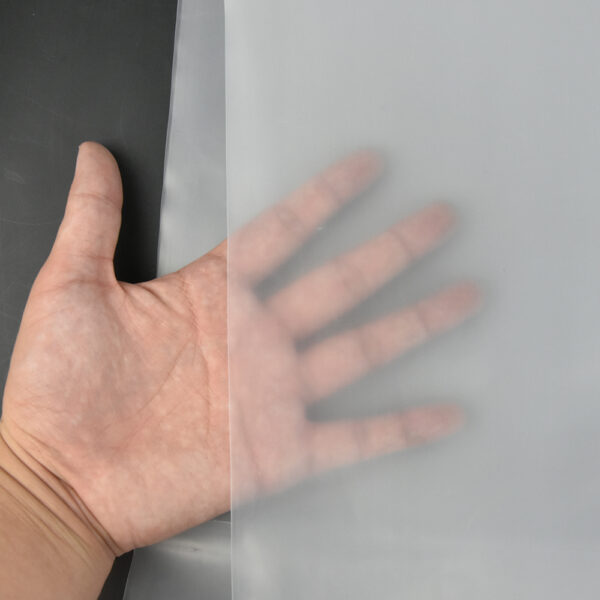
To close with something concrete: audit your current suppliers for those three metrics, insist on batch lab data, and plan one small trial (three houses max) before full rollout. That discipline will separate reliable producers from the ones who sell easy answers. For partner sourcing and tested materials, I turn to trusted lines and documented results—then I sign the order. HGDN

