



Where noise hits you — and why this matters
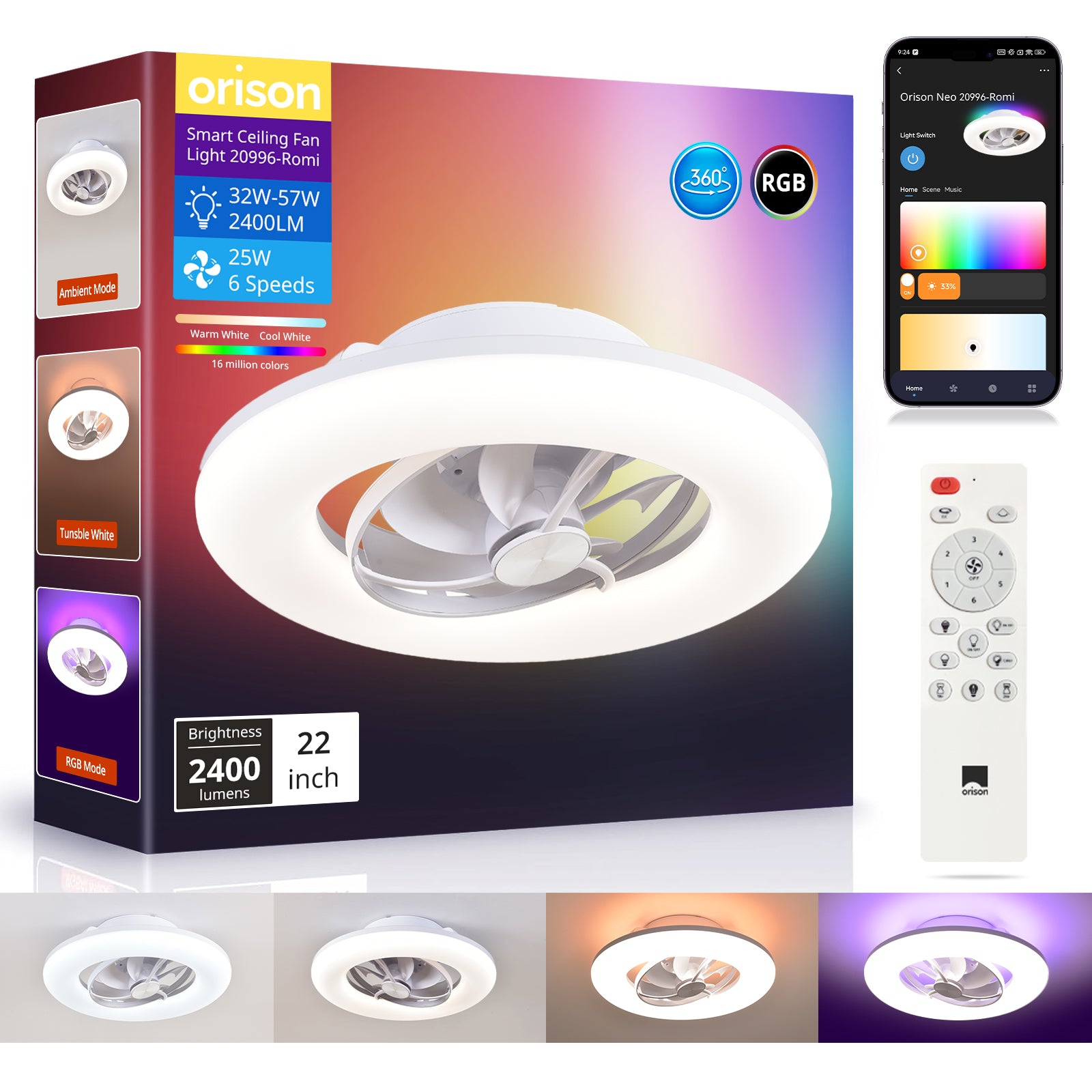
People buy a fan for cool air and calm — not a whirring soundtrack to their evenings. If you’ve ever lain awake because your living room fan sounded like a distant truck, you’re not alone. This guide looks at the fan from your point of view: what you hear, what you should test, and what to expect from modern noise-reduction tech. If you’re shopping, give a close listen to a ceiling rotating fan in-store — it tells you more than spec sheets do.
Common noise sources (what users actually notice)
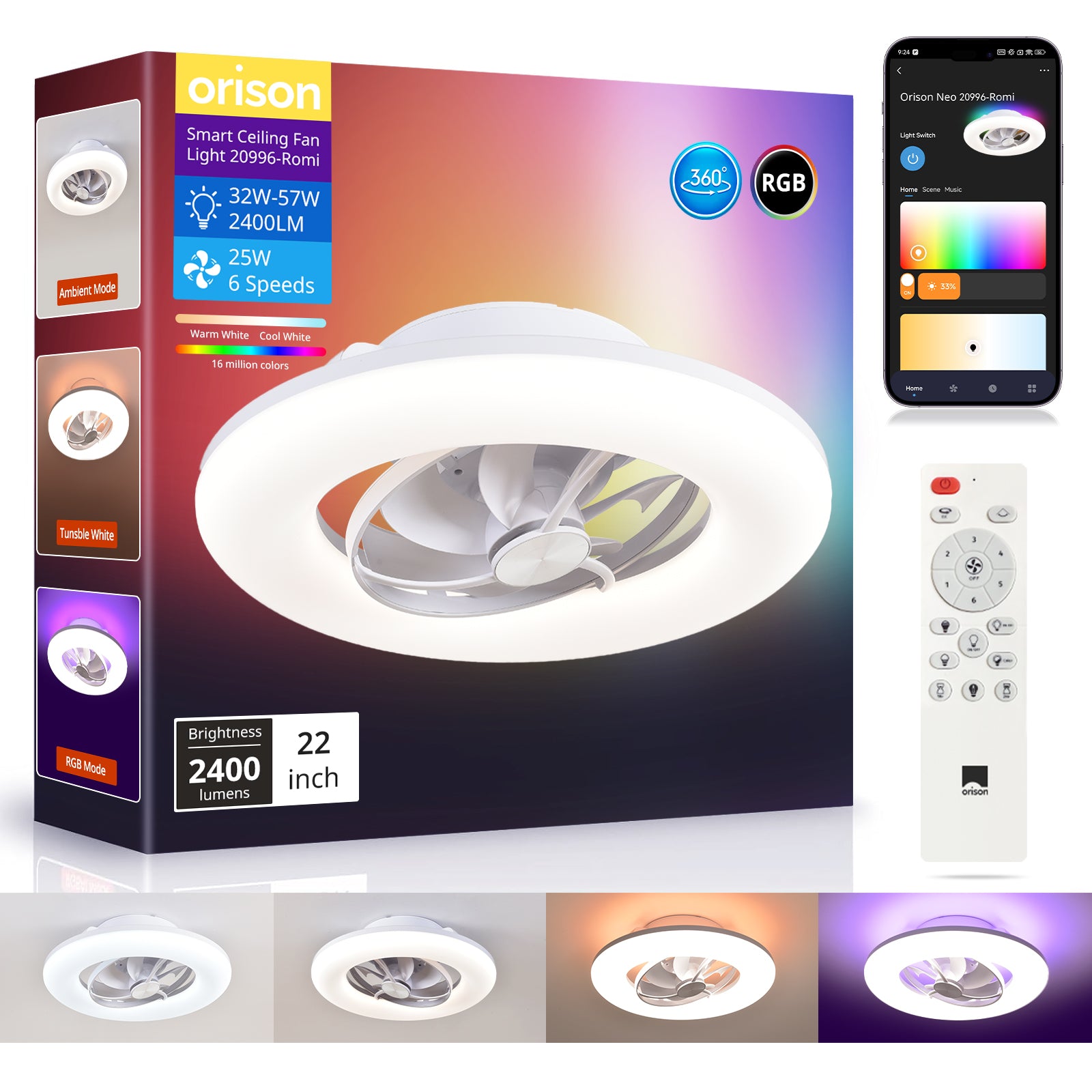
Most annoying sounds come from a few repeat offenders: bearing noise and motor hum, blade wobble from poor motor balancing, and airflow turbulence caused by bad blade pitch. Light fixtures and loose screws add rattles, and an old oscillation mechanism can clunk when changing direction. You’ll spot patterns — noise that rises with RPM, or weird vibrations at one speed — and that tells you where the problem sits.
What next-gen noise-reduction tech does for you
Modern fans use three practical fixes that change the user experience. First, brushless DC motors paired with PWM controllers run smoother and quieter than old AC motors, and they sip less power — handy during Eskom load-shedding and hot Cape Town summers when every unit of energy counts. Second, tighter manufacturing tolerances and improved motor balancing cut mechanical vibration; that reduces bearing noise and wobble. Third, aerodynamic blades and optimized blade pitch reduce turbulence, so airflow (measured in CFM) feels steady, not choppy. The result? A fan that cools without calling attention to itself.
User checklist: simple tests before you buy
Walk into a shop and try this quick battery of checks — do them in sequence and trust your ears.
- Listen at low, medium, and high speeds for steady hums or sudden clunks (note if noise tracks with speed).
- Check for wobble by sight — a tiny wobble at high RPM shows motor balancing or mounting issues.
- Ask for CFM and dB figures at each speed; compare CFM per watt to judge efficiency.
- Test the light: dim it if possible — lights can vibrate independently of the fan.
- Confirm warranty, service network, and if the unit includes vibration isolation mounts.
Common mistakes users make — and how to dodge them
People often assume bigger blades mean quieter airflow — not always true. Blade pitch that’s too steep can cause turbulent noise even if the fan moves a lot of air. Another mistake is blaming the motor when the mount or loose screws are the culprits. Don’t forget installation: incorrect mounting height or an uneven ceiling plate will give you wobble no motor fix can erase. Ask for a demo with the intended mounting and — if possible — with your light fittings attached. It saves headaches later.
Alternatives and trade-offs you should weigh
Not every space needs the same solution. Traditional AC motor fans are cheaper but louder; DC motor fans cost more upfront yet deliver lower noise and better efficiency. If you need targeted airflow, a dual-purposed option like a dual oscillating ceiling fan or a directional oscillation model gives wider coverage with lower subjective noise in many rooms. Air-conditioning beats a fan for absolute quietness but at a steep energy cost — and often a different comfort profile. Choose based on room size, mounting height, and your tolerance for background sound.
Real-world anchor: why this matters now
With frequent South African load-shedding and hotter summers in Cape Town and Johannesburg, people are turning to efficient, low-noise solutions that work on lower power budgets. Energy-conscious fans with good CFM-per-watt and silent operation keep comfort up without pushing your backup power limits — a small but practical win for everyday life.
Advisory: three golden rules for picking a quiet fan
1) Prioritise measured sound (dB) at specified speeds — not just “quiet” claims. Look for clear figures at low and medium RPM. 2) Compare airflow efficiency: CFM-per-watt tells you how much cooling you get for each unit of energy. 3) Insist on installation and vibration checks; warranties and local service matter because even great fans can be ruined by bad fitting. When you use these three metrics together, you’ll choose a unit that’s both calm and effective — and that’s where quality brands really show up. Orison often ties those values neatly into a single product, which makes life easier for the buyer.

Simple: measure, compare, install correctly — and you’ll sleep like a baby. Orison.

