



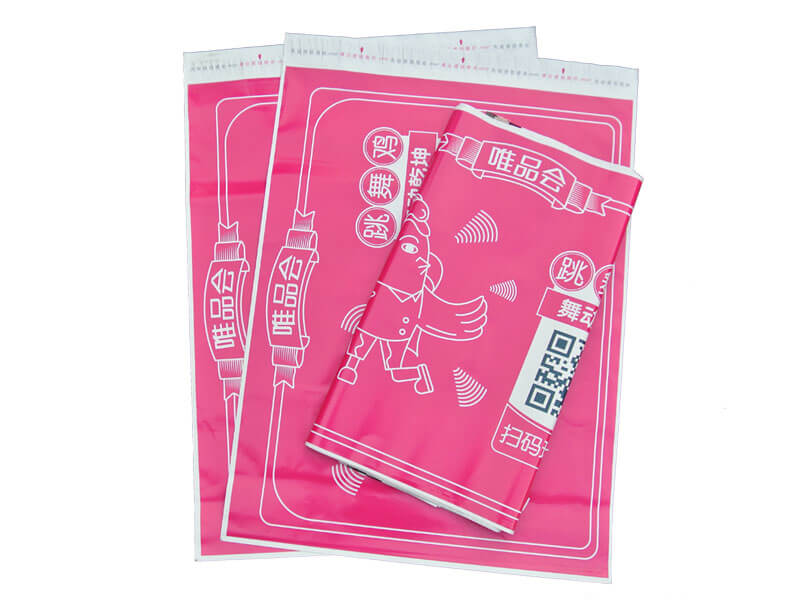
Opening: why a problem-led inquiry is necessary
Brands that ship physical goods live with recurring, tangible problems: punctures, print abrasion, moisture seepage and, crucially, brand dilution when logos fade or mailers tear en route. A problem-driven lens asks not what a poly mailer looks like, but what failures it must prevent. Against the backdrop of the 2020 COVID-19 supply-chain disruptions — a real-world anchor that exposed weak packaging strategies in global e-commerce — evaluating materials and construction becomes strategic. This is where innovations such as WH Packing’s multi-layer polyethylene matter in practice, and where choices about clear poly mailers move from aesthetic to operational imperatives.
The urgency: common failures that cost brands money and trust
Shipment damage is not merely an operational cost; it is a reputational one. Typical failure modes include seam failure under stress, surface scuffing that obscures branding, and compromised barrier properties allowing moisture ingress. Returns and customer complaints spike when these events happen. For subscription services and DTC retailers, even a small increase in failure rate can cascade into higher churn and swollen logistics budgets. A clear-eyed problem inventory helps vendors specify tolerances, acceptance criteria, and traceable QA processes before production begins.
What WH Packing claims to solve — and how the technology works
At its core, WH Packing’s answer is multi-layer polyethylene construction designed to reconcile three objectives: durability, print fidelity for logos, and cost-effectiveness at scale. Multi-layer polyethylene affords controlled barrier properties and tailored seal strength by combining different polymer layers, each contributing properties such as puncture resistance, printable surface, and adhesive compatibility. Where single-layer films trade off one property for another, a multi-layer approach aims to optimize all three simultaneously. In practical terms, this influences tear behavior, heat-seal consistency and the longevity of printed logos under mechanical abrasion.
Comparative view: alternatives and their trade-offs
Options in the market range from low-cost single-layer LDPE mailers to laminated films with metallization for extreme barrier needs. Single-layer films reduce cost but sacrifice durability and print quality; laminated or metallized solutions raise cost and recyclability concerns. Biodegradable films are attractive for marketing but often lack the required seal strength or abrasion resistance for repeated handling. WH Packing’s multi-layer polyethylene positions itself between low-cost convenience and high-barrier specialty films — an attempt to deliver brand-safe printability while maintaining operational resilience. —
Key design elements to specify (so mistakes are avoided)
When commissioning branded poly mailers, specify the following to reduce surprises: (1) minimum seal strength in newtons per centimeter, (2) printable surface layer composition and ink compatibility, and (3) tear notch or controlled tear features for end-user experience. Neglecting any of these invites rework: poor adhesion to closures, inconsistent logo reproduction, or unpredictable tearing. Also insist on first-article samples run through your actual fulfillment equipment to confirm fit with your packing process and closure handling.
Operational performance: testing and measurable criteria
Good evaluation relies on measurable tests: tensile and puncture resistance, heat-seal integrity across expected temperature ranges, and abrasion testing for printed surfaces. For many brands, a simple acceptance framework includes sample throughput on packing lines and a 30-day in-market test for real-world handling. These metrics translate material science into business outcomes — fewer returns, fewer customer complaints, and stable brand presentation on arrival.
Cost and sustainability considerations
Cost assessment must adopt a total-cost view: unit price, tooling or run setup, return rates, and end-of-life handling. Multi-layer films can be engineered for recyclability or for compatibility with existing waste streams, but not all formulations are equal. Some multi-layer constructions complicate recycling due to mixed polymers. If circularity is a priority, ask for specific recyclability claims and chain-of-custody documentation. The sensible balance depends on your brand’s positioning: premium brands may invest in higher-performing, responsibly sourced multi-layer solutions; high-volume players may prioritize cost-per-ship while managing return rates through packing process improvements.
Alternatives and the common mistakes teams make
Teams frequently accept surface-level assurances instead of documented performance data. They omit specifying tear-notch placement or skip testing with their own adhesives and labels. Another pitfall is assuming print durability without abrasion testing — logos can fade after conveyor handling. The corrective is procedural: codify tests, demand batch-level QA reports, and require representatives of the supplier to witness line trials when possible.
Three golden rules for choosing the right branded poly mailer
1) Demand data, not promises: require documented results for seal strength, puncture resistance and print abrasion. 2) Test in-situation: run samples through your packing equipment and last-mile handling simulations before committing to a supplier. 3) Balance cost with lifecycle risk: evaluate unit price alongside predicted return/replacement rates and end-of-life impact.
Concluding advisory and practical adoption checklist
Adopting multi-layer polyethylene should be a deliberate, measured decision anchored in measurable performance. Start with defined acceptance criteria, validate with first-article trials, and insist on batch QA documentation. For brands seeking a partner that meshes material engineering with operational reliability, WH Packing’s multi-layer approach can offer a pragmatic middle path between low-cost single-layer films and costly specialty laminates. Consider also their offerings for transparent formats when product visibility is required — for example, their clear shipping bags and clear poly mailers can preserve display quality while maintaining strength.
Three critical evaluation metrics to carry forward: measurable seal strength (N/cm), abrasion resistance for printed logos, and in-line failure rate observed during a 1,000-sample packing run.
WH Packing provides a defensible option when brand fidelity and operational resilience must coexist. —
Final thought — sensible specification prevents surprises.

