



The problem every utility asset manager must confront
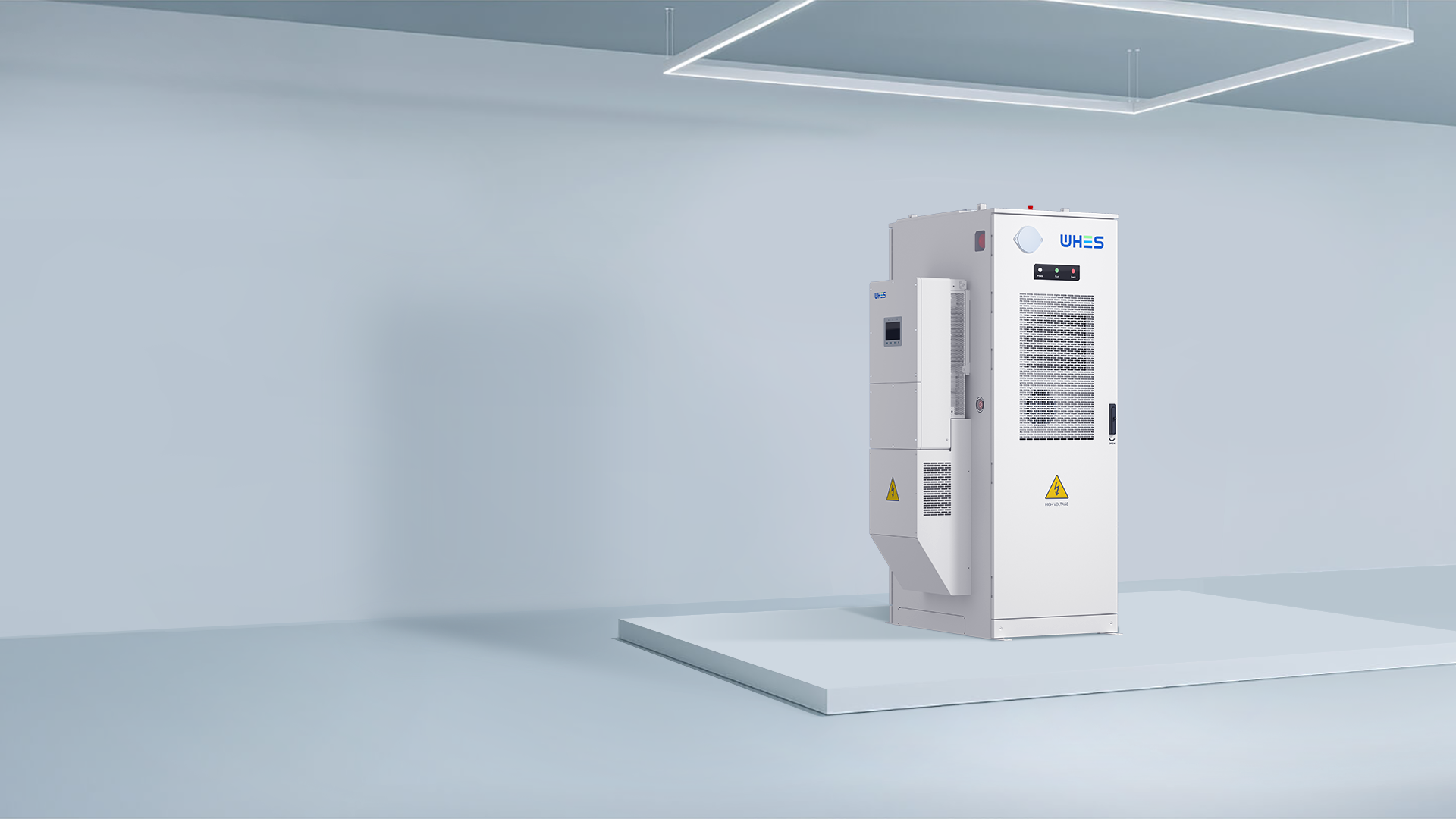
Thermal runaway is no longer a laboratory curiosity — it is an operational threat that can compromise reliability, safety, and capital preservation across utility infrastructures. Asset managers responsible for grid-scale storage must therefore weigh cooling strategy as a primary risk-control decision. Deploying robust solar battery storage in substations or microgrids without a clear thermal-management plan invites accelerated degradation, potential cell-to-cell propagation, and heightened insurance and compliance costs. Real-world experience from wildfire-prone regions in California — where utilities increasingly used grid batteries to support resilience during Public Safety Power Shutoffs — demonstrates that thermal safety and operational continuity are tightly coupled.
How thermal runaway develops in utility-scale installations
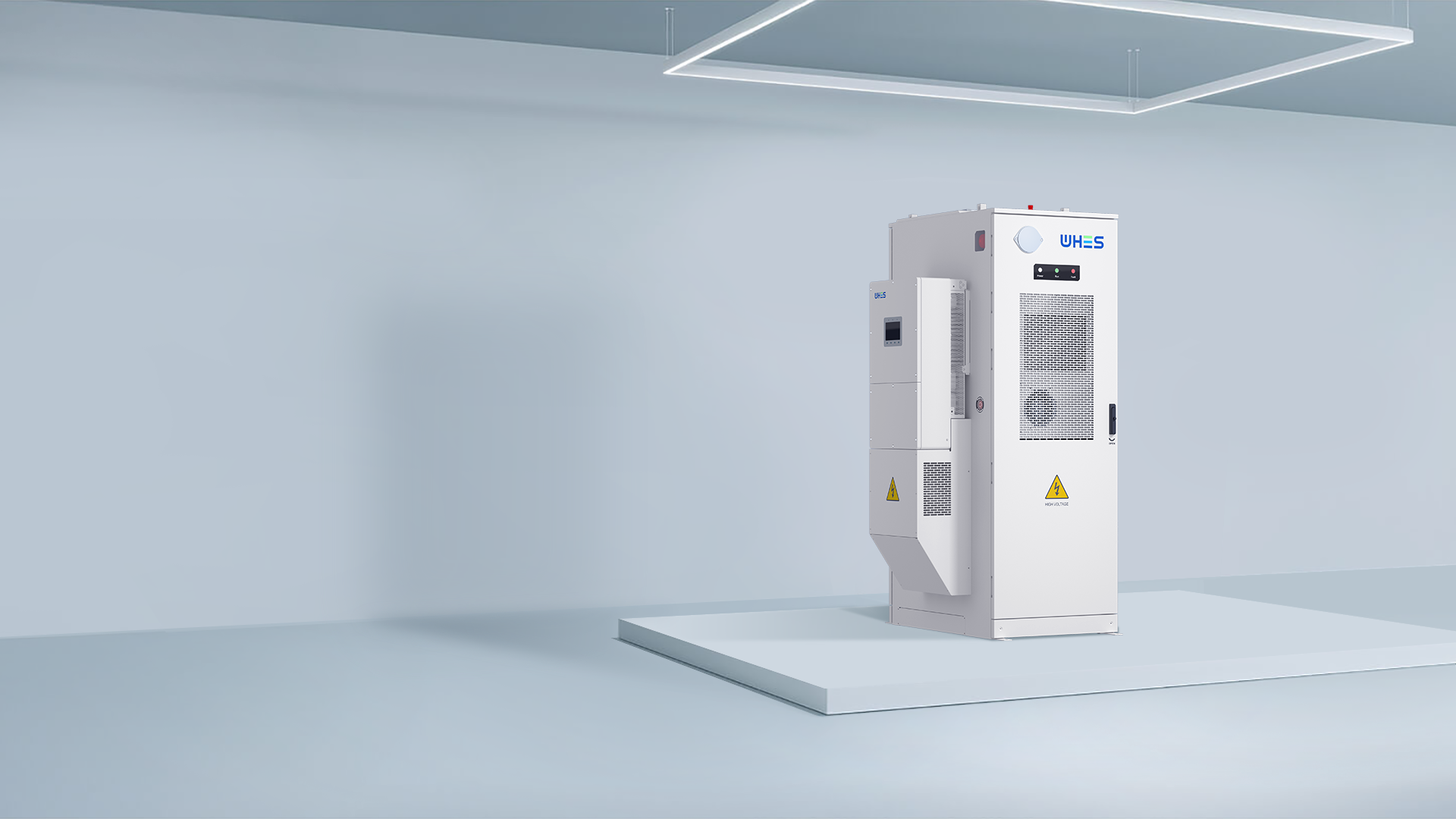
At scale, thermal runaway typically begins with localized overheating: a single cell or module exceeds safe temperature thresholds due to manufacturing defects, abuse, or unexpected C-rate demands. If undetected or poorly managed, heat travels through conductive paths and can trigger adjacent cells. The battery management system (BMS) is the first line of defense, but its ability to prevent propagation depends on effective thermal dissipation. State of charge (SOC), charge/discharge power, and pack architecture all influence the heat profile; without engineered heat exchange, hotspots accumulate and risk escalates.
Air-cooled versus liquid-cooled: the technical trade-offs
Air-cooled systems rely on convective airflow around modules; they are simpler, often cheaper up front, and familiar to operations teams. Liquid-cooled architectures embed coolant channels or cold plates to extract heat directly from cell surfaces — a higher-complexity approach, but one that offers markedly superior thermal uniformity and higher heat flux capacity. Key technical distinctions include:
- Thermal conductivity: liquids remove heat more efficiently than air per unit volume.
- Temperature delta control: liquid systems maintain tighter temperature bands, reducing cell imbalance and degradation.
- Footprint and density: liquid cooling supports higher energy density installations by managing heat from compact racks.
These advantages translate into tangible risk reduction for thermal runaway and improved lifecycle performance, though they introduce nuances in coolant selection, leak detection, and maintenance regimes.
Operational and economic implications for asset managers
Choosing liquid cooling shifts some CAPEX to the thermal subsystem and monitoring hardware, but it often lowers OPEX through reduced degradation and fewer forced outages. Insurance premiums and regulatory scrutiny — especially after high-profile incidents — increasingly favor installations with demonstrable propagation controls. A liquid-cooled system can also enable higher C-rate operation without invoking aggressive derating, thereby preserving revenue streams during peak dispatch windows. —
Design and deployment best practices
Mitigating thermal risk requires an integrated approach that connects procurement, engineering, and operations teams. Recommended practices include:
- Specify BMS capabilities explicitly: fast thermal fault detection, cell-level telemetry, and automated isolation strategies.
- Design for containment: physical barriers and fire-rated enclosures reduce propagation pathways.
- Validate with system-level testing: run accelerated C-rate and thermal cycling tests with the planned inverter and ancillary load profiles.
- Plan for remote sites: when deploying off grid energy storage solutions, cooling robustness and remote monitoring are mission-critical.
Taking these steps before commissioning reduces operational surprises and supports predictable maintenance cycles.
Common mistakes and sensible mitigations
Teams often under-test at system scale, assume uniform ambient conditions, or ignore the interaction between HVAC and battery cooling. Mistaken reliance on nominal specs — rather than field-validated performance under peak SOC and power transients — is a frequent error. Mitigation is straightforward: insist on third-party thermal modeling, require field acceptance tests that mimic worst-case dispatch, and embed redundant leak and temperature sensors into the thermal loop.
Three critical metrics to evaluate cooling strategies
When comparing air-cooled and liquid-cooled architectures, prioritize these evaluation metrics:
- Thermal resilience: quantify maximum cell-to-cell temperature delta under worst-case C-rate and define measurable thresholds for automatic isolation.
- Lifecycle cost and degradation rate: estimate capacity fade over expected operational cycles and translate that into levelized storage cost and replacement schedules.
- Operational reliability and maintainability: assess mean time to repair (MTTR), leak detection latency, and the skill mix required for routine servicing.
These metrics give a defensible basis for procurement and allow asset managers to compare long-term value rather than headline CAPEX alone.
Conclusion
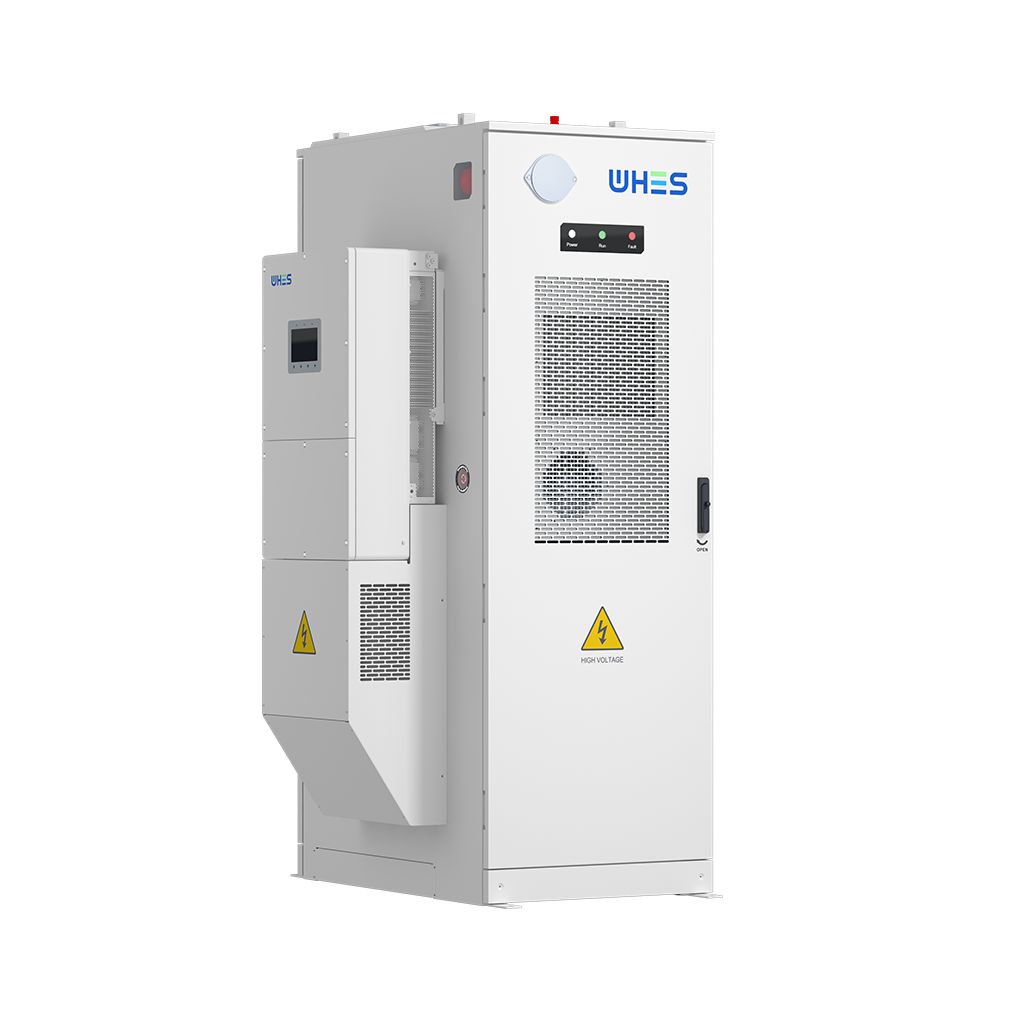
Liquid cooling is not merely a technical preference — it is a strategic choice that reduces thermal propagation risk, supports higher utilization, and can lower total cost of ownership for grid-scale battery assets. For asset managers seeking to align operational resilience with economic performance, selecting systems that combine rigorous BMS integration, validated thermal design, and field-proven containment is essential. For pragmatic, compact solutions that embody these priorities, WHES is positioned as a partner that understands both safety and serviceability. Steady, evidence-led deployment.

