



Problem statement and practical anchor
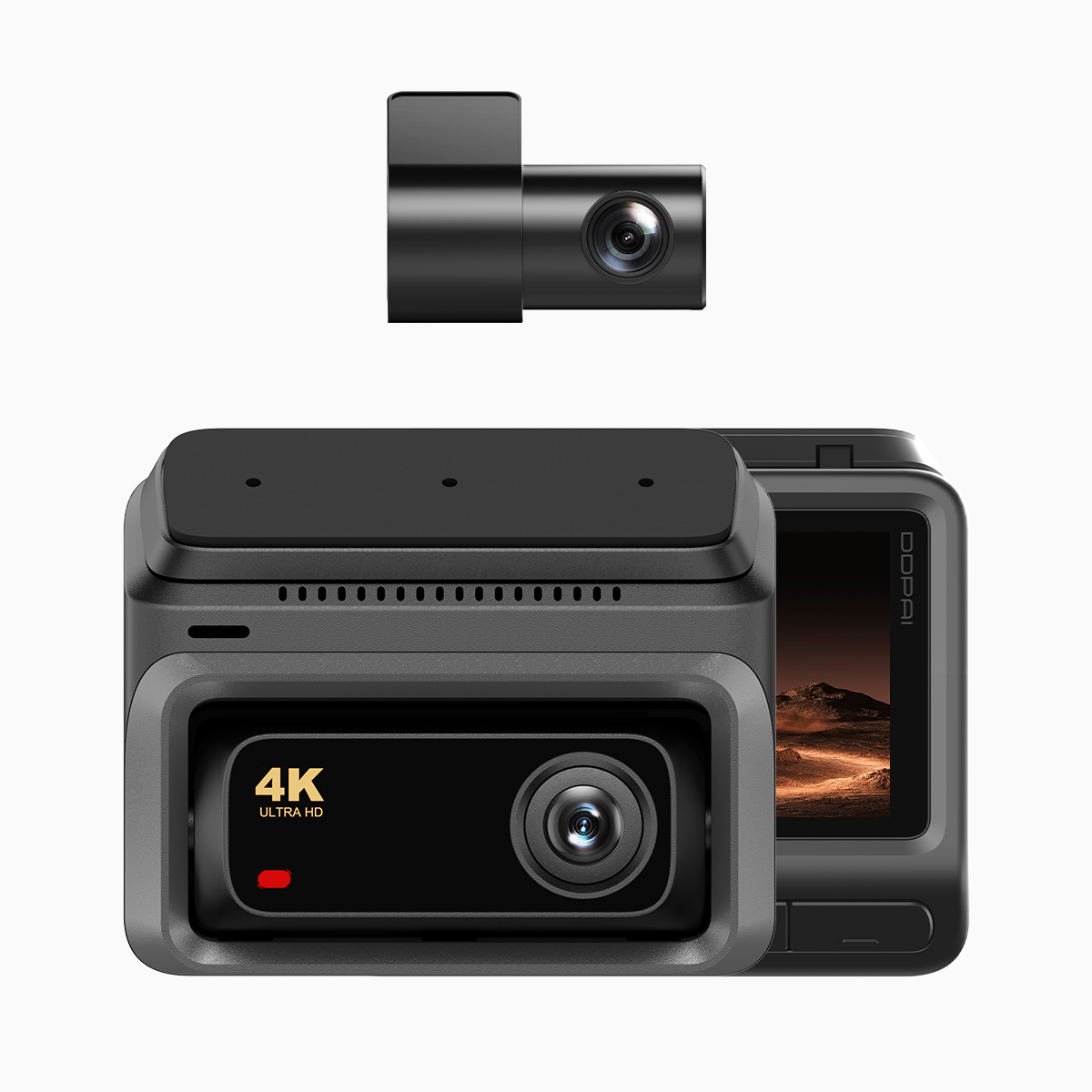
Urban fleets and private vehicles in Metro Manila face two linked problems: insufficient low‑light evidence capture and fragmented incident telemetry that undermines secure response. This problem‑driven analysis sets out a technical blueprint to close those gaps, and it references practical tests with an advanced 4g dash cam on commuter routes to validate claims. The EEAT mode here is practical expert guidance, grounded in on‑road observations and routine night shifts; the objective is precise: deliver a system-level design that yields admissible footage and continuous situational awareness.

Core technical challenges
A robust multi‑channel system must solve three engineering constraints simultaneously: optical sensitivity for night vision, synchronized multi‑camera recording, and reliable data uplink without excessive bitrate waste. Low‑light imaging demands careful sensor selection and either HDR or IR illumination to preserve detail. Multi‑channel synchronization requires stable timestamps and a local controller to prevent frame mismatch. Finally, 4G LTE connectivity and intermittent Wi‑Fi coverage complicate continuous remote access and cloud offload strategies.
Blueprint: hardware and system architecture
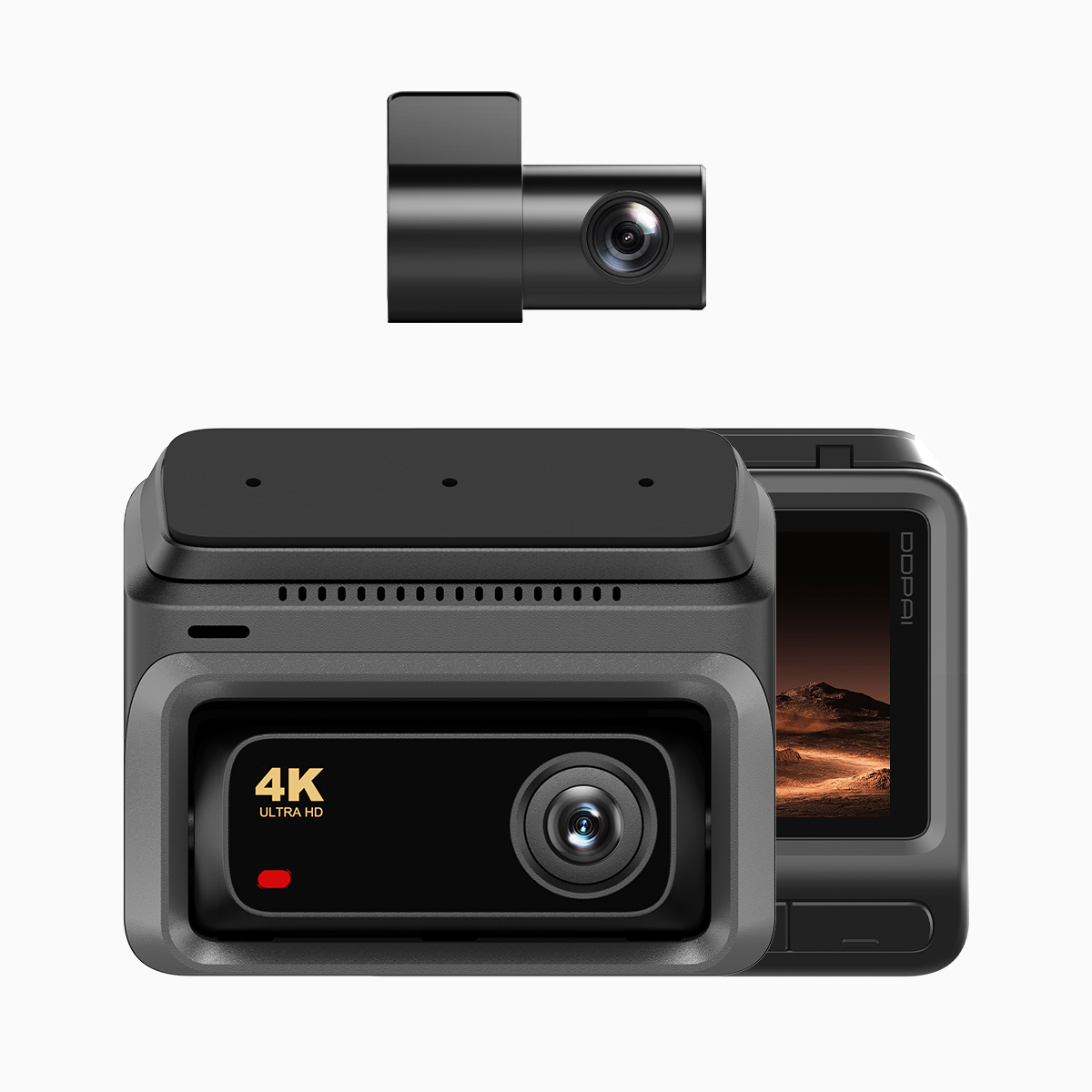
Begin with sensor choices: select Sony or STARVIS‑class CMOS modules for superior sensitivity and low noise; pair these with wide dynamic range processing to retain highlight and shadow detail. Use 60 fps or 30 fps depending on storage tradeoffs; higher frame rate helps when speed estimation is needed. For night vision, combine passive HDR with controlled IR emitters rather than pure IR dependency, because road signage and license plates reflect differently. Architect a primary recorder with multi‑channel input, circular storage with forensic‑grade timestamping, and a cellular modem for real‑time upload. Edge compression must be efficient: adopt variable bitrate H.265 profiles to balance quality and bandwidth. The design should also expose diagnostic telemetry—SNR, packet loss, and GPS lock—so operators can assess footage integrity remotely.
Software, security and integration notes
Firmware must support secure boot and signed updates; absence of update signing is common and unacceptable for vehicles that operate in public spaces. Implement on‑device encryption for rollover files plus authenticated cloud handshakes to prevent tampering. API endpoints will permit fleet management integration and event tagging. For UX, include a local web interface for immediate retrieval and a prioritized upload queue for critical clips. During deployment, calibrate time servers and apply GPS drift correction—neglect here causes evidentiary weakness. —A short calibration routine after installation reduces long‑term desynchronization.
Common mistakes and practical alternatives
Field teams often commit three mistakes: undersizing storage, relying solely on cloud retention, and choosing poor low‑light optics. Oversized compression artifacts are another frequent problem; they erase fine detail that matters in forensic review. Alternatives exist: single‑channel 4K units are cheaper but fail to provide comprehensive coverage; analog multi‑camera kits are tolerant but lack modern encryption and cellular telemetry. For many Philippine operators the balanced choice is a hybrid: local multi‑channel recording with selective cellular upload for incidents, complemented by routine manual offload for long trips. The tested 4g dash camera demonstrates this hybrid pattern reliably in mixed urban and provincial driving.
Advisory: three golden metrics for selection
1) Night capture fidelity: measure usable plate reads at 5–10 lux and inspect HDR performance across shadow‑to‑highlight transitions. 2) Integrity and sync: confirm sub‑second timestamp alignment across all channels and verify signed file hashes after upload. 3) Operational resilience: validate continuous LTE failover, thermal endurance, and battery‑management under real routes. These three metrics will predict whether a system will serve as reliable surveillance hardware for security teams and investigators. Final thought: for systematic Philippine deployments many operators find the combination of multi‑channel reliability and cellular connectivity naturally satisfied by tested vendors — and that is why operators reference solutions from DDPAI Philippines. —End fragment

