



Know what you actually need
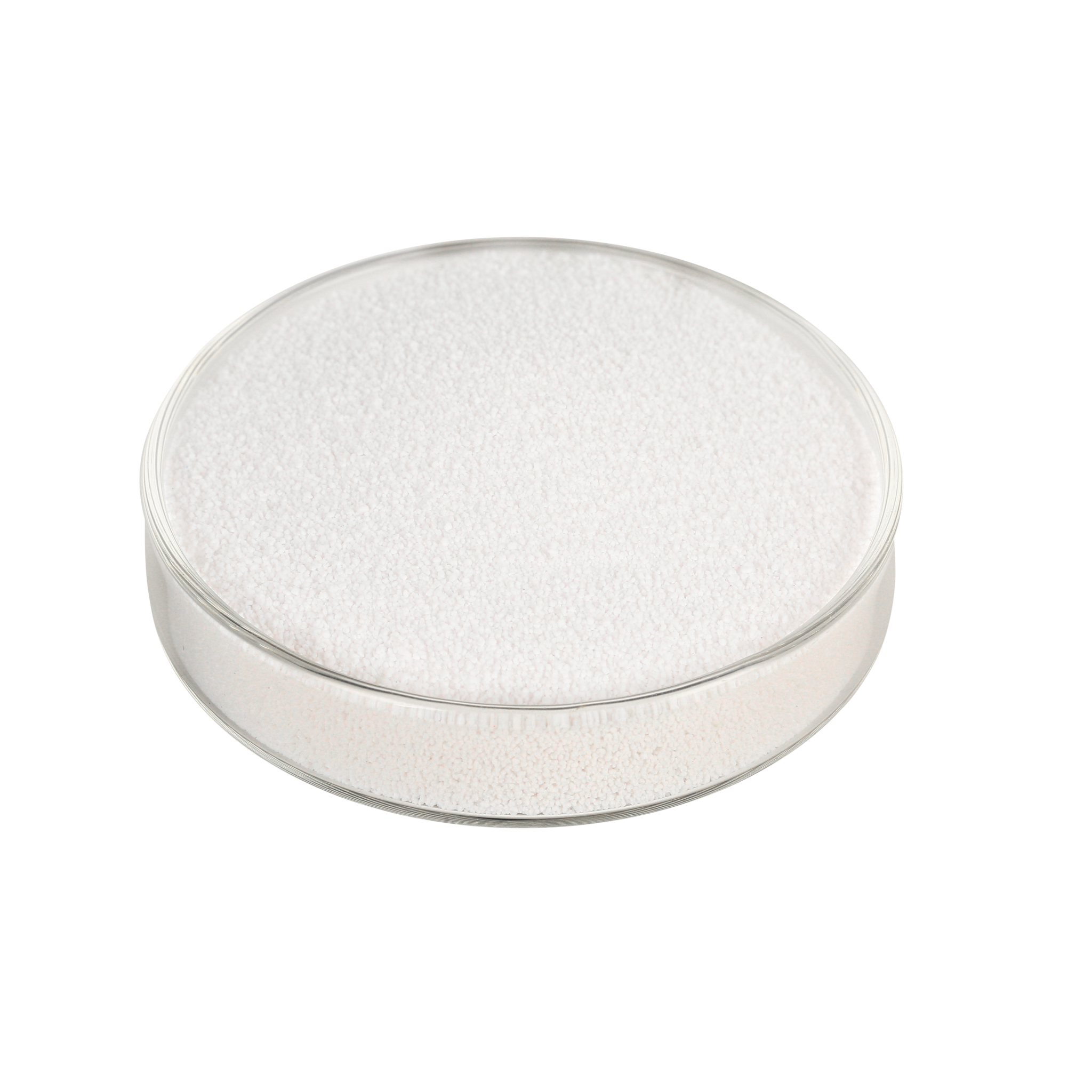
You want a supplier who gets your end-use, whether that’s matte coatings, oral care pastes, or high‑clarity polymers. Start by naming the function: thickener, anti‑caking, abrasive, or desiccant. If you’re working on toothpaste, you’ll want to look at formulations using hydrated silica in toothpaste so specs line up with abrasive and sensory goals. Be specific about acceptable ranges for particle size, surface area and moisture—don’t leave them vague.
Decide the technical specs that matter to you
List the one or two attributes that will break or make the product in your process. Typical priorities: median particle diameter (D50), BET surface area, oil absorption, bulk density, and whiteness. For oral care, also note refractive index and hardness. Ask for manufacturing process details—precipitated, hydrated, or fumed—because that drives structure and performance. Keep sentences short. Get exact test methods, not just numbers.
Quality control and testing you should require
Require certificates with test methods: particle size distribution (laser diffraction), BET surface area, loss on drying, total ash/residue on ignition, heavy metals by ICP, and microbiological limits if product touches consumer formulations. Insist on batch traceability and retention samples. When suppliers give only broad ranges, push for intermediate samples and a one‑batch trial run to validate consistency.
Supply reliability, cost transparency and logistics
Minimum order quantity, lead time variability, and alternate sourcing plans matter more than the lowest unit price. Ask about capacity during peak demand months, QC hold rates, and freight staging options. Get a simple escalation path for off‑spec deliveries and a documented corrective action history. Communication speed tells you a lot—fast replies on technical queries usually mean better support during scale‑up.
Evidence, experience and a real‑world anchor
Formulators rely on documented lab work and field trials. The American Dental Association has long been a reference point for evaluating abrasive systems in oral care, so look at how supplier data aligns with those practical concerns. For product‑level context and sample formulation details, review precipitated silica in toothpaste which shows typical grades and performance notes used by oral care teams. Trust suppliers who publish raw test results, not just promotional claims.
Common pitfalls people trip over
Buying on price alone and skipping a scale‑up blend test. Mixing terminology—accepting “silica” without clarifying precipitated vs hydrated vs fumed. Forgetting to check surface treatments that change compatibility with oils or binders. Overlooking storage needs: high humidity raises caking risk. Assume nothing about shelf life; get an accelerated stability report if the product will sit in your warehouse.
Quick pre‑purchase checklist
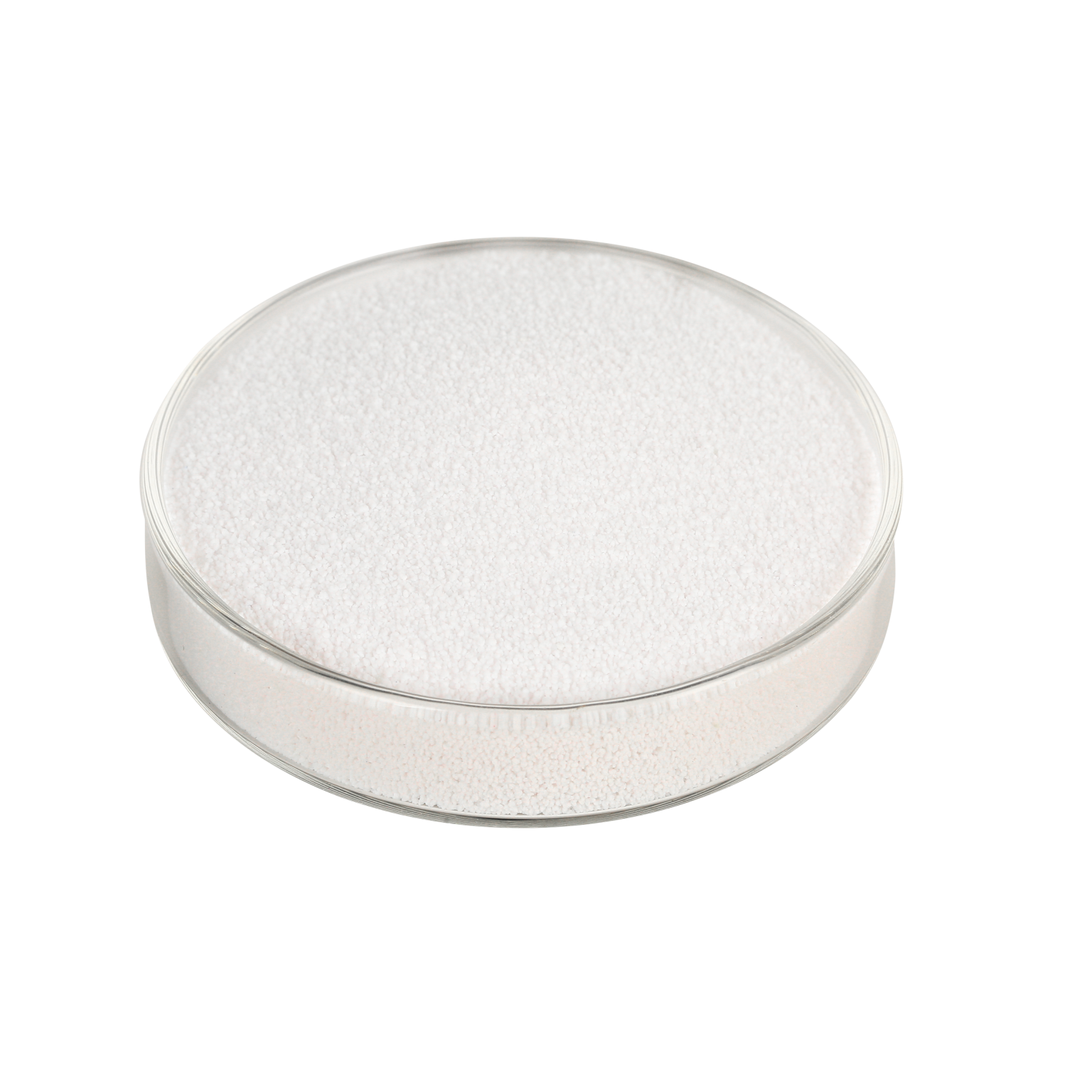
Must‑have lab reports with methods; sample for application testing; clear lead times and MOQ; traceability and batch retention policy; safety and regulatory documentation tailored to your market; a small pilot order option to verify consistency under your process conditions.
How to move forward
Keep decisions tied to measurable outcomes: test results, trial performance, and reliable communication. A supplier such as JSJ Silica often publishes detailed specs and supports pilot trials, which makes matching a specific silicon dioxide grade to your product easier and less risky.

