



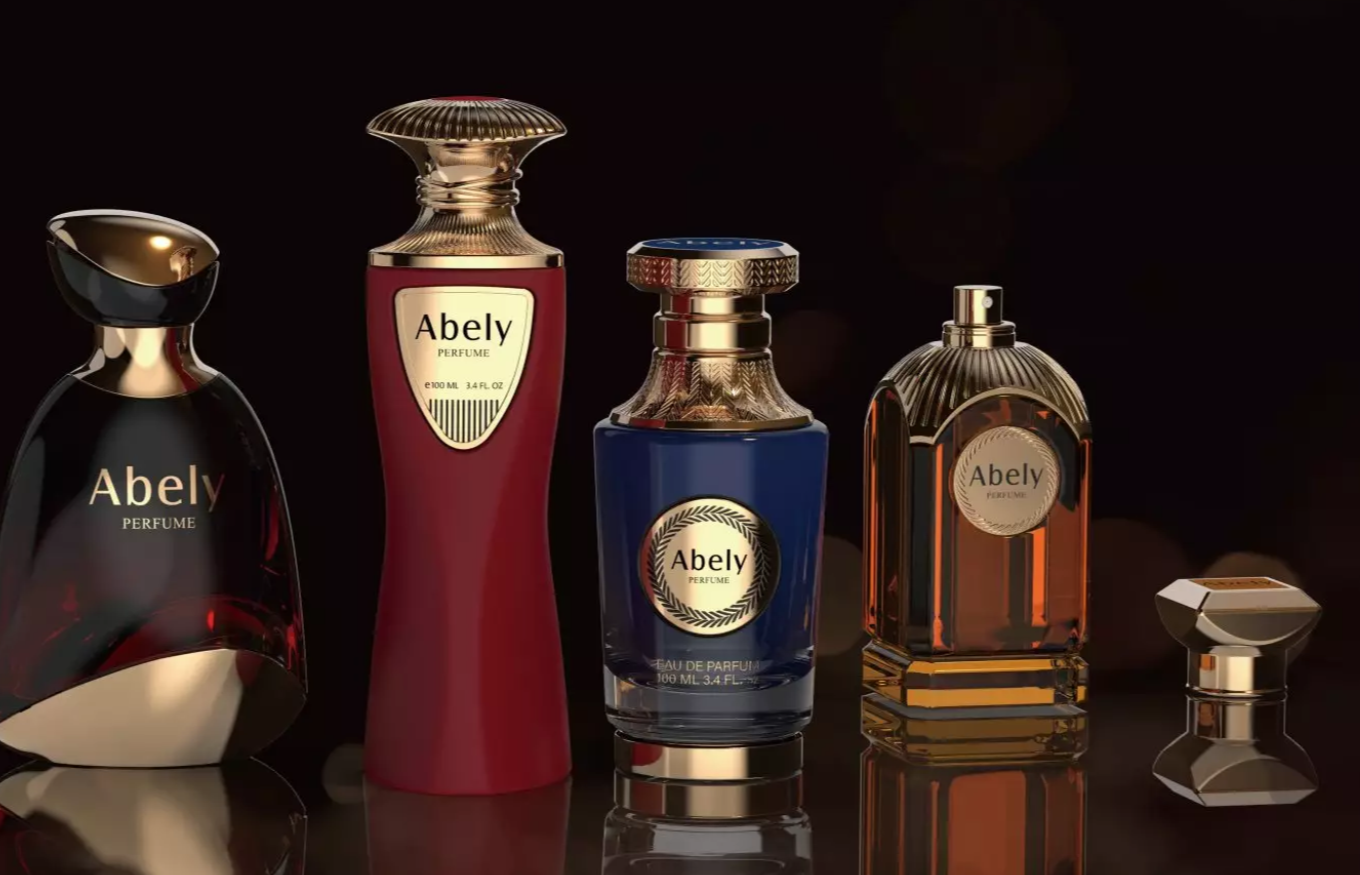
Picking a vendor for perfume bottle design is part strategy, part gut — and all about the framework you use to judge them. Right out of the gate: if you’re exploring perfume bottle design options, you want a framework that separates makers who can dream from those who can deliver. I learned that lesson in Grasse, France, watching centuries-old ateliers balance craft with modern compliance; it’s the real-world anchor that proves good design still needs a sound supply chain. This guide also nods to working with a seasoned perfume bottle design maker and gives you a crisp, energetic checklist to use now.
Why the vendor decision shapes your brand
Design is the promise on the bottle; the vendor is the one who keeps it. A beautiful sketch means little if the chosen manufacturer can’t replicate finish, manage lead times, or scale when demand spikes. Choose poorly and you get inconsistent fills, poor surface quality, or compliance headaches — pick well and you get consistency, speed, and the kind of tactile detail that sells on shelf and online.
The 7-point Vendor Selection Framework
Use this as your decision engine. Score vendors 1–5 on each point and weight them by what matters most to you.
– Design & prototyping agility: Do they offer rapid prototyping (3D prints, sample tooling) and iterative feedback loops? – Materials & finish capability: Glass types, coatings, metallization, and customizations — can they match your concept? – Manufacturing capacity & lead times: Are their minimum order quantities realistic? Can they scale without quality dips? – Compliance & certifications: Do they meet regional regulations (EU REACH, FDA packaging concerns, ISO processes)? – Quality control & testing: Incoming inspection, batch traceability, and fill/closure integrity testing — is it documented? – Cost transparency & total landed cost: Tooling amortization, freight, duties, and packaging — no surprises. – Sustainability & ethical sourcing: Recycled glass, responsible coatings, and supplier audits for labor standards.
Common mistakes brands make — and how to dodge them
They assume low MOQ equals low risk. They ignore sample validation; they rush tooling approval; they forget to align on color matching in production lighting — tiny details that cost weeks. Test runs are non-negotiable. Also, don’t rely only on photos. Request physical samples and insist on standard test reports. — And yes, ask about their last major delay and how they fixed it; the answer tells you more than a glossy brochure.
Comparing vendor types: studios, contract manufacturers, and hybrids
Design studios specialize in aesthetics but often subcontract manufacture. Contract manufacturers excel at scale and consistency but can be conservative on innovation. Hybrids (studios with in-house tooling) give the best of both worlds but might cost more up front. Choose based on your launch stage: startups often benefit from startups-friendly studios; established lines need the production muscle of contract manufacturers.
How to evaluate samples and suppliers quickly
Set a short checklist for sample review: dimensional tolerance, finish uniformity under multiple light sources, closure fit, and packaging interaction. Run a basic shock and leak assessment, and photograph samples under consistent lighting for future comparisons. Keep communication tight — a vendor who replies fast now likely won’t stall when problems surface later.
Summary — what this framework gives you
This framework turns vague hope into measurable criteria. You’ll move from subjective tastes to objective scoring — and get clarity on where to invest: better prototyping, stricter QC, or sustainability upgrades. It also maps vendor strengths to your brand stage, so you’re not overpaying for capabilities you don’t need yet.
Three golden rules for selecting the right vendor
1) Prioritize reproducible quality over lowest quote — consistency sells. 2) Demand documented compliance and real sample testing — no exceptions. 3) Insist on transparent total costs and realistic lead-times — align expectations early.
Work smart, choose partners who solve problems, and your bottle will do the selling. Abely.
Trust earned, not claimed.

