



Why the comparison matters right now
Folk round the yards are asking which path gives the best return — full end-to-end platforms, stitched-together point solutions, or targeted automation. I’ll set out the trade-offs plain and useful. Start with a real-world nudge: the 2021 Suez Canal blockage exposed how single chokepoints ripple through routes and inventory; firms with broader orchestration weathered the hit better. Early wins often come from targeted systems such as Robotic Truck Loading and Unloading, but the long game needs a view of the whole flow from yard to customer.
What you’re comparing: core approaches
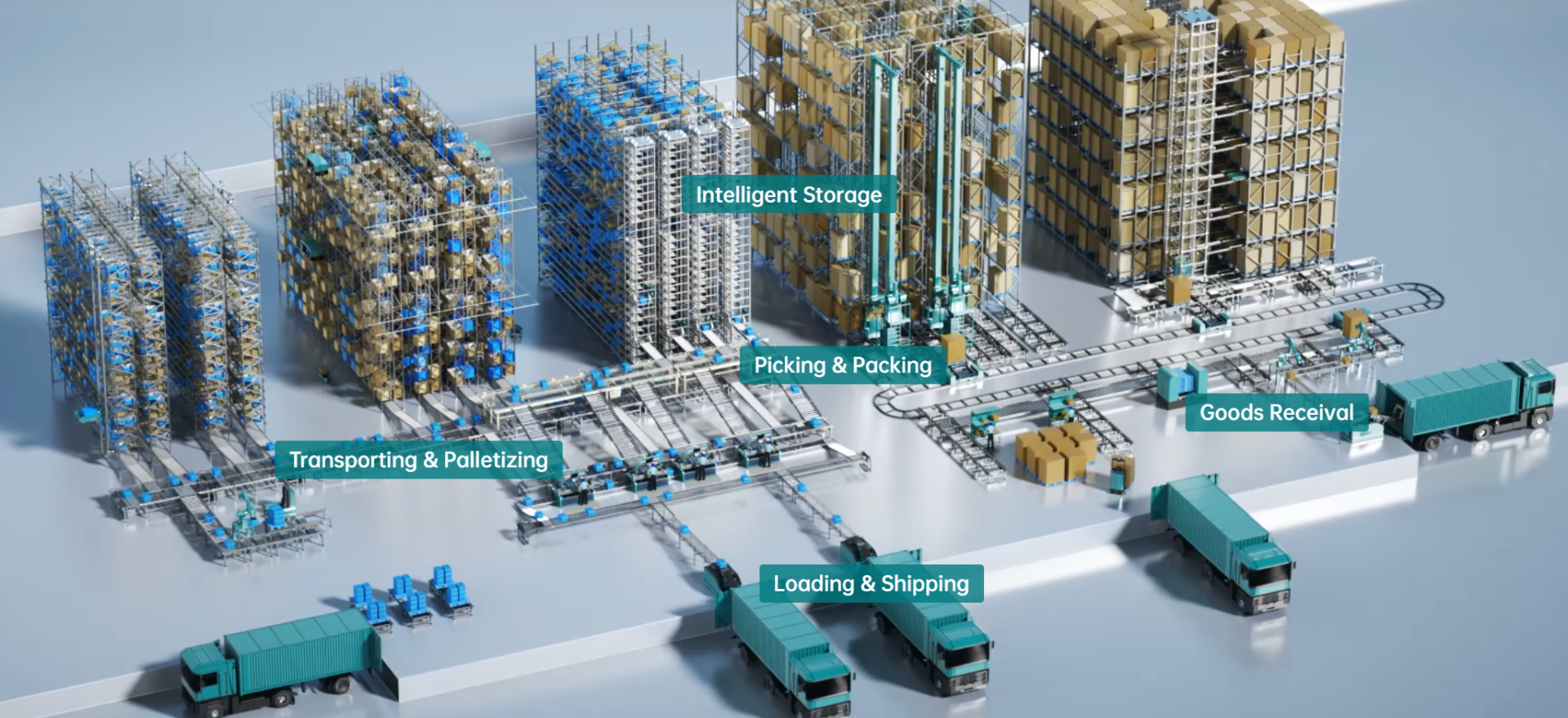
Compare three practical approaches. First, full end-to-end suites that combine warehouse management, transport orchestration, and yard control. Second, best-of-breed point solutions that excel at one link — say, automated guided vehicle (AGV) fleets for in-yard moves. Third, hybrid stacks that mix the two, relying on API integration to keep data moving. Each option changes your throughput, cycle time and operational resilience in different ways.
Benefits and blind spots — a quick side-by-side
End-to-end suites give unified reporting and simpler dock-to-stock traceability; they’re tidy for scaling. Point solutions tend to deliver faster ROI on a single problem — like improving payload handling at the gate — but create more integration work. Hybrids balance cost and capability yet bring ongoing maintenance overhead. Practical note: don’t confuse automation capability with readiness — you need process redesign as much as robots.
Implementation realities and common missteps
Teams rush to deploy kit without ironing out workflows — that’s where projects bog down. Be clear on the KPIs before buying kit: is the goal fewer dock-to-stock hours, higher throughput, or lower labour risk? Integration with your warehouse management system (WMS) and transport management is essential. Some firms skimp on API design and end up with brittle links — and that’s proper frustrating to fix later. — Plan iterative rollouts and keep minimal viable integrations live while extending functionality.
Where robotic loading fits in the landscape
Robotic Truck Loading and Unloading integrates best when it’s part of a wider orchestration layer. If you treat it as a siloed productivity device, you’ll get isolated gains but little systemic resilience. Use robotic loading to flatten peak load spikes and reduce dwell time at gates; combined with yard management and a WMS you realise real reductions in cycle time and fewer missed appointments. For many sites the sweet spot is coupling robotics with real-time slotting and simple telematics.
Evidence from the field
Across ports and major depots, the pattern’s clear: sites that link yard automation, loading systems, and transport scheduling recover quicker from disruption. The Ever Given incident taught operators that decentralised visibility matters — not just local speed. Practical terms to track are throughput (containers per hour), average dwell, and failed-first-load rate. Keep the metrics tight and watch them move as you change one variable at a time.
How to evaluate solutions — three golden rules
1) Measure integration cost against expected delta in throughput. If stitching a point solution costs more than the throughput gain in 24 months, rethink. 2) Prioritise deterministic metrics: cycle time, failed-first-load percentage, and appointment adherence. These tell you what’s working or not. 3) Insist on staged commissioning with real traffic — simulated loads hide edge cases. Follow those and you’ll avoid costly scope creep and downtime.
Closing notes and the practical value BlueSword brings
Choosing the right mix isn’t a toss-up — it’s a set of trade-offs aligned to your volume patterns and risk appetite. BlueSword’s approach shows how targeted systems like Loading and Unloading solutions slot into broader orchestration so you get measurable gains without redoing everything. Proper planning, tight metrics, staged rollouts — sorted. BlueSword. Properly sorted.

