



The persistent shortfall
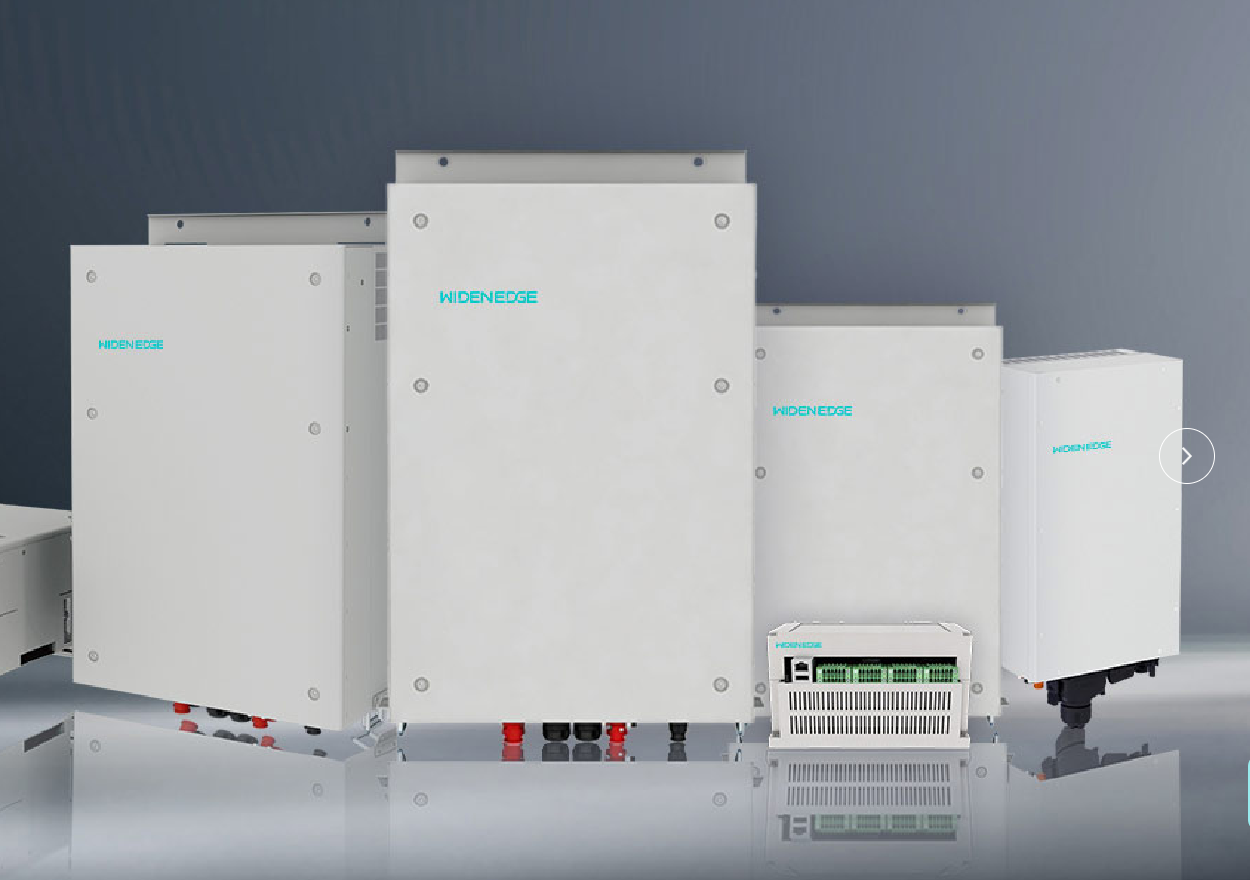
I sit with the numbers and listen. Arrays promise peak power that rarely arrives. Shade, string mismatch, temperature swings, wiring losses — they chip away at expected yield. Systems that look right on paper underperform in the real world. Integrating a dedicated stage, such as a 15kW PV DC‑DC converter, can address those losses quietly and directly. On some projects I audited, pairing that converter with a 45kW solar storage inverter smoothed power flow into storage, revealing hours of extra usable energy each week.
How the converter attacks the problem
The problem-driven question is simple: where does the power disappear? A 15kW DC‑DC converter targets the gap between raw PV output and the inverter’s input expectations. It provides:- localized MPPT per sub-array, so a shaded string no longer drags down a whole array;- voltage translation (boost or buck) that keeps panels near their maximum power point despite changing irradiance;- faster dynamic response to cloud transients, reducing duration of mismatches.These are direct fixes, not abstractions. Efficiency gains show up as kilowatt-hours, not marketing lines.
Technical choices that matter
Decisions matter early. Choose topology with low conduction loss and reliable switching. Insulation and grounding affect both safety and measurement accuracy. MPPT algorithm tuning is not optional — perturb-and-observe may be fine on a calm roof, but scouts of rapid irradiance need predictive or adaptive MPPT. Thermal path design keeps lifetime predictable; a converter that runs hot will underdeliver over years. I’ve seen commissioning notes where a simple change to the heat-sink orientation cut failure rates in half.
Tying into inverters, storage, and microgrids
Integration is where assumptions break. A 15kW converter sits upstream of the inverter and must present stable input to the following stage. When the downstream equipment is a microgrid inverter, coordination of control, fault handling, and anti-islanding needs clarity on both sides. California’s microgrid pilots offer a useful reference: engineers there stress clear control boundaries and verified anti-islanding across converters and grid-forming inverters. Expect to define:- communication signals for power setpoints;- shared fault thresholds so one device doesn’t react against another;- consistent ground and isolation schemes for safety and measurement fidelity.
Common pitfalls and fixes
People repeat the same mistakes. Watch for these:- Oversizing the converter relative to expected sub-array power. It wastes cost and can complicate MPPT stability.- Neglecting EMC and filter design. Ringing and harmonics show up as misread measurements and tripping.- Using a one-size MPPT tune. Tune for the site: partial shading, tilt, and module mismatch change the optimal loop bandwidth.- Skipping staged testing. Verify converter behavior at low irradiance, during rapid cloud edges, and at night with artificial sources.Fixes are practical: right-size the hardware, invest an afternoon in MPPT sweep tests, route cooling air logically, and validate protection coordination on a bench before field commissioning.
When alternatives are better
Not every project needs a 15kW DC‑DC stage. Consider alternatives:- Module-level power electronics (microinverters or optimizers) when you need per-panel isolation and module warranty alignment.- Larger centralized inverters if layout uniformity and cost per watt dominate.- Hybrid approaches where converters serve only shaded sub-arrays.Assess cost versus yield: smaller projects with uniform exposure often favor string inverters; complex roofs with varied orientation often benefit most from localized DC‑DC solutions.
Practical next steps and the subtle value
Start with the problem. Map shading, measure string IV curves, and simulate expected power loss from mismatch. If the map shows repeated, recoverable losses over seasons, a 15kW DC‑DC converter is a surgical tool. It reduces real, recurring deficit — not just headline numbers. For teams designing that link between panels and grid or storage, the pragmatic approach that tied monitoring, protection, and controls together is what I recommend most often. That approach aligns with system designs and product choices developed by WidenEdge, where coordinated converter and inverter strategies translate directly into steadier harvest and clearer engineering decisions.

