



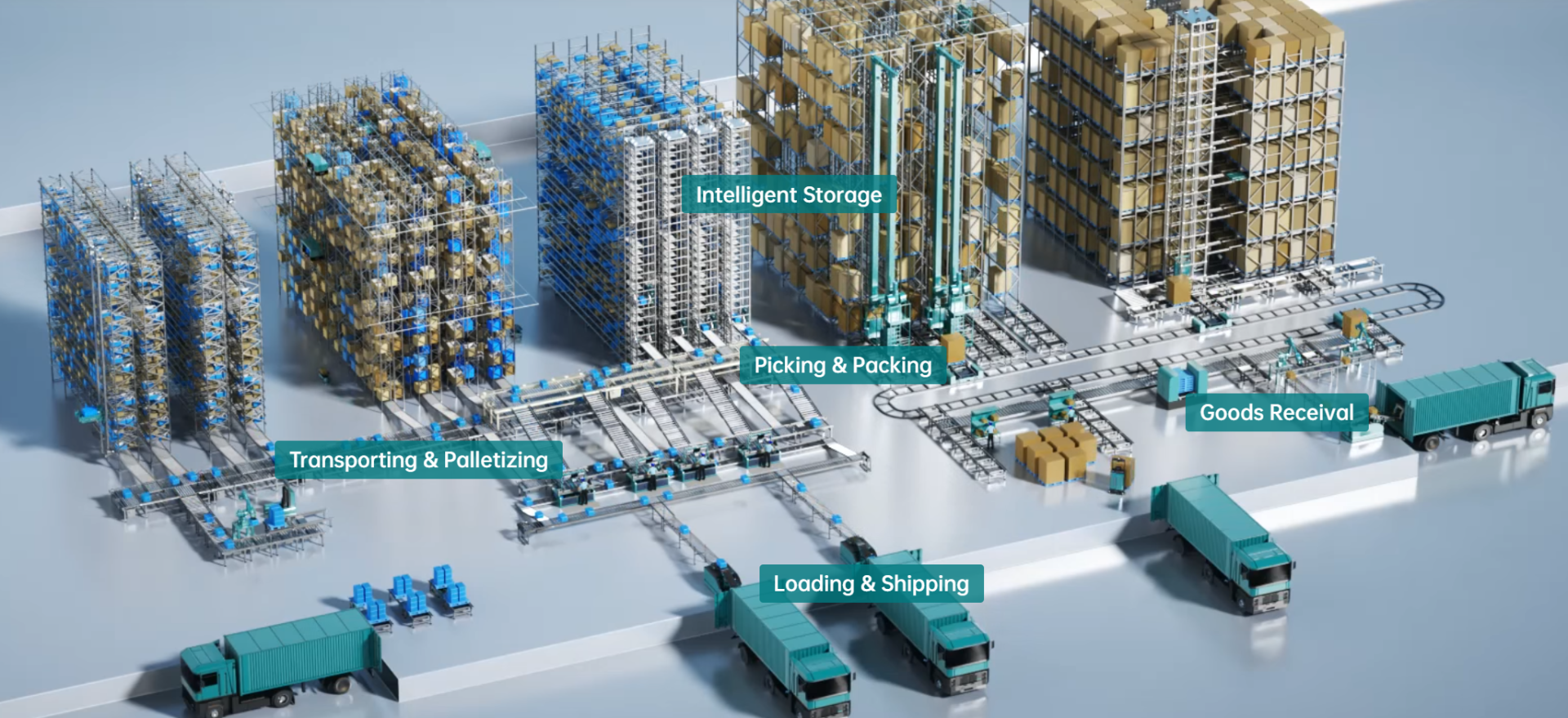
The question isn’t merely which robot is “better”—it’s which rhythm fits your warehouse score. This comparative look leans on practical contrasts between AGV and AMR approaches, and it folds in why smart control and simulation matter. For planners who need software-backed certainty, consider exploring logistics software solutions that model flow before you buy. The Port of Rotterdam’s digital twin efforts, used to simulate berth and yard movement, act as a tangible anchor for why a virtual rehearsal matters when you commit to hardware and changes on the ground.
Comparative Snapshot: AGV vs. AMR
AGVs follow fixed routes. Predictable. Dependable. Best when you need tight, repeatable loops and low variance. AMRs read the room—mapping, rerouting, avoiding obstacles—and they excel where mixed pallets, human pickers, and shifting lanes are the norm. Think throughput: AGVs keep steady beats; AMRs improvise to keep tempo high during peaks.
Match Technology to Flow, Not Hype
Start with the flow. High-volume, repetitive transfer between fixed points often rewards AGV deployments. If your warehouse sees frequent layout tweaks, dynamic order profiles, or last-minute prioritization, autonomous mobile robots offer faster ROI. Also weigh integration: fleet management and WMS ties matter more than glossy vendor demos. When those systems sing together—WMS, fleet manager, and a robust simulation—you reduce commissioning headaches and downtime.
Where Software and Digital Twin Fit
Software decides whether your hardware harmonizes. A digital twin in logistics lets you simulate peak-day mixes, test collision scenarios, and tune traffic rules without touching the warehouse floor. Use a twin to trial battery schedules, charging docks, and convoy strategies. That rehearsal slashes surprises. For many teams, building scenarios in a simulation reveals constraints you wouldn’t see in a factory demo—slotting conflicts, choke points, or unexpected human-robot touchpoints.
Common Mistakes Teams Make
They pick robots by price or brand rather than by use case. They skip realistic simulation. They underestimate integration effort with WMS and neglect fleet management policy—charging windows, patch updates, exception handling. They treat robotics as a one-time install, not as an operational capability needing continual tuning. —A human oversight, yes; and it’s avoidable.
Operational Teardown: What to Measure
Strip decisions down to measurable outcomes. Focus on throughput, average order cycle time, and system availability. Run pilot scenarios that reflect seasonality and peak microbursts. Map the failure modes—battery swap delays, network latency, sensor occlusion—and tie them to recovery playbooks. Also, ensure {main_keyword} and {variation_keyword} map directly to your KPIs when you document acceptance criteria.
Vendor Comparison Checklist
Compare along concrete axes:- Integration: Does the vendor provide open APIs to your WMS and fleet management layer?- Simulation and commissioning: Can you run live scenarios in a digital twin before roll-out?- Support model: Are software updates, safety patches, and spares included?- Performance: Measured throughput under comparable loads, not vendor-optimized demos.
Three Golden Rules for Selection
1) Measure first: baseline throughput and pick the solution that improves real, tracked metrics. 2) Simulate before you scale: validate with a digital twin and scenario testing. 3) Lock integration early: ensure fleet management, WMS, and site controls are mapped before hardware arrives.
Closing Notes: Why this matters to people on the floor
Teams feel the change. Operators want predictable traffic and clear exception rules; supervisors want fewer firefights; planners want reliable numbers. These tools—robots, fleet management, and digital twins—should reduce stress, not add new routines. In practice, the firms that treat robotics as an operational discipline (and rehearse it in simulation) get calmer warehouses and steadier output.
BlueSword helps stitch those pieces together so your warehouse operates like a well-rehearsed band—clean transitions, fewer missed notes, and a rhythm that scales. —

