



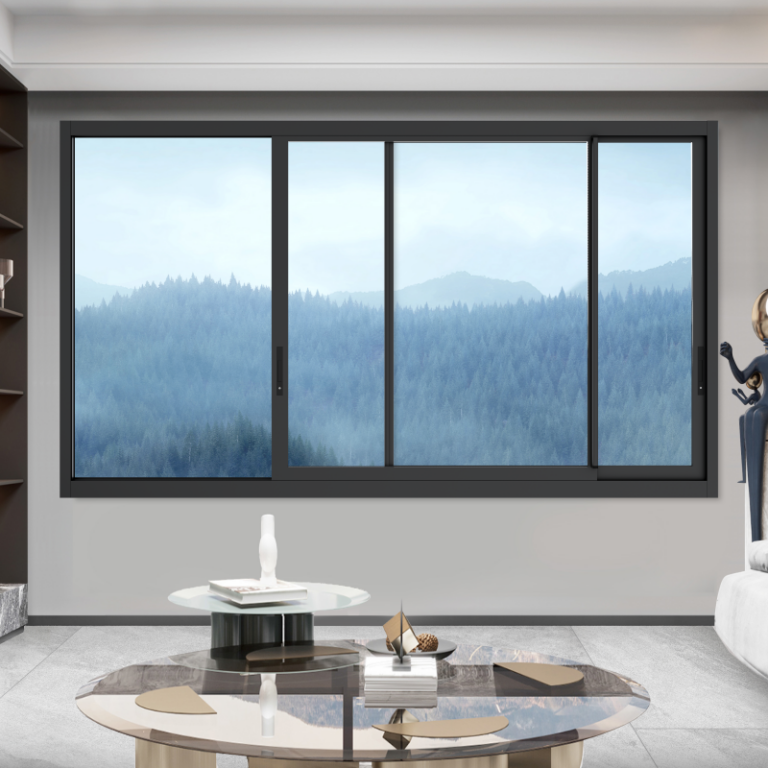
Comparative lead — why this matters to architects and specifiers
When an opening must feel boundless, a sliding door wide opening often wins on spatial drama and sightlines; yet, architects must weigh that against airtightness, thermal performance and hardware longevity. For practical sourcing, consider suppliers among the best aluminum window manufacturers who can supply robust track systems and bespoke thresholds. This piece contrasts sliding door wide opening systems with aluminium tilt-and-turn approaches so you can match form, function and façade constraints without guesswork.
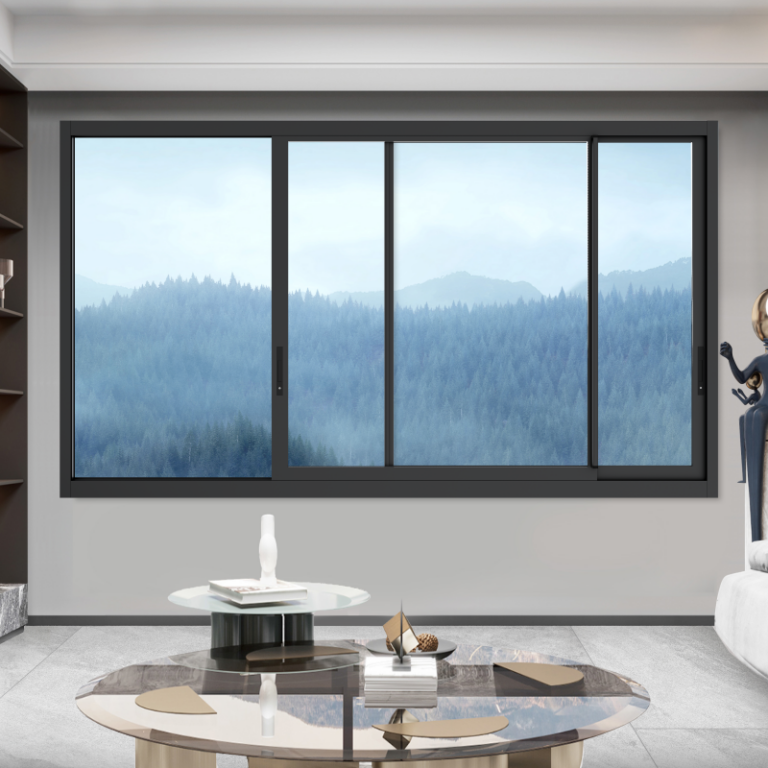
Core differences that change the brief
Sliding systems offer large, unobstructed openings and a low threshold ideal for terraces and public spaces. Tilt-and-turn windows (and doors) give greater control over ventilation and tighter seals thanks to compressive hardware and a multi-point locking system. Where sliding units use rollers, tracks and often larger glass panels, tilt-and-turn relies on sash geometry, friction hinges and precise sealing gaskets—each approach alters the project’s thermal break strategy, U-value targets and detailing around the mullion and jamb.
Performance metrics architects actually use
Compare these measurable attributes when selecting between the two: glazing thickness and insulated glass units (IGUs), U-value for whole-frame performance, and the presence of a thermal break in aluminium sections. Hardware life cycle matters too: stainless steel rollers and hardened tracks will reduce maintenance on sliding doors; multi-point locking with concealed hinges changes the long-term behaviour of tilt-and-turn sashes. In practice, specifying a system with a tested U-value and documented air permeability is not optional—it’s the way to avoid rework on-site.
Real-world anchor and a brief field note
On a retrofit in Edinburgh’s New Town I supervised, we swapped a single large sliding opening for a hybrid scheme—fixed tall glazing plus a pair of tilt-and-turn sashes—after conservation constraints limited track cuts in the stone threshold. The result tightened performance while keeping the visual sweep. That job underlined a truth: contextual constraints often decide hardware choices more than aesthetic preference.
Common mistakes and practical alternatives
Specifying oversized sliding panels without checking structural deflection is a frequent error; heavy glass needs stiffer surrounds and deeper head details. Another misstep is assuming all aluminium sections share the same thermal break — they do not. For many urban dwellings, an aluminium tilt-and-turn window delivers better ventilation control and security with simpler installation. — Also, simplified maintenance plans for sliding door tracks are often omitted from the O&M manual, which shortens service life.
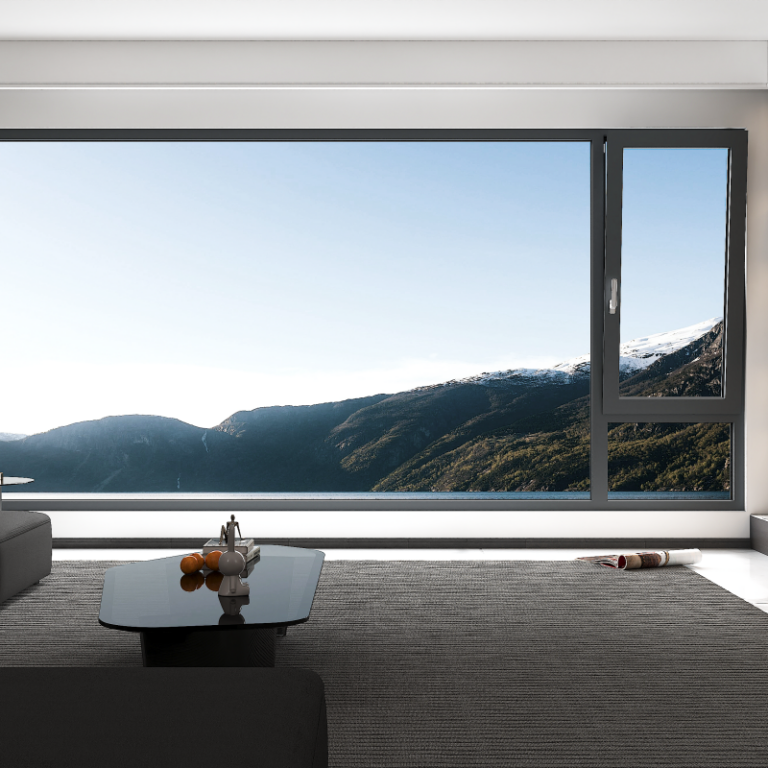
Quick comparison — when to pick which
– Choose sliding door wide opening for uninterrupted views, easy egress and communal thresholds where level access matters. – Choose aluminium tilt and turn windows/doors where ventilation control, airtightness and higher security ratings are priorities. – Opt for hybrid solutions when façade rhythm or heritage constraints prevent full-width sliding units; combine fixed glazing with operable sashes to preserve sightlines and performance.
Specification checklist for reliable outcomes
To avoid surprises on site, lock these items down in the contract documents: verified U-values for the full assembly, detailed threshold and drainage sections, roller/load specs and allowable deflection for large panes, and a clear maintenance schedule for hardware and tracks. Include sample assemblies for mock-up review so thermal bridging and sightline issues are resolved before production.
Advisory — three golden rules for selection
1. Prioritise documented whole-frame U-values and air permeability tests over marketing claims; they tell you how the system performs on completion. 2. Match hardware to panel mass and expected use cycles—rollers, tracks and hinges must be rated for the weight and frequency. 3. Integrate threshold and drainage detail early with structure and finishes to avoid late-stage adjustments that compromise the thermal break.
Those three metrics will narrow choices quickly and keep the build on schedule. Choose systems that have been proven on similar projects—it’s pragmatic and professional. Zekin offers configurability and tested assemblies that sit naturally within these rules — practical, specified and dependable. —

