



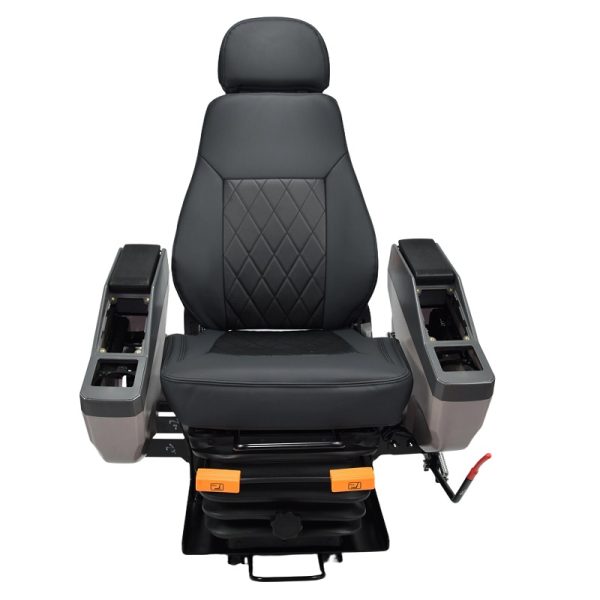
Why comparison matters for operator comfort and uptime
Picking the right construction seat starts with side-by-side thinking: what reduces vibration, what lasts, and what your crew will tolerate for an eight-hour shift. For many fleets, the obvious option—an air-ride cushion—looks great on paper, but a hydraulic suspension or a hybrid design can outperform it on rocky urban job sites. This piece compares common approaches so you can match tech to task, and yes, I’ll point to practical options like a dedicated construction seat that blends adjustability with heavy-duty components.
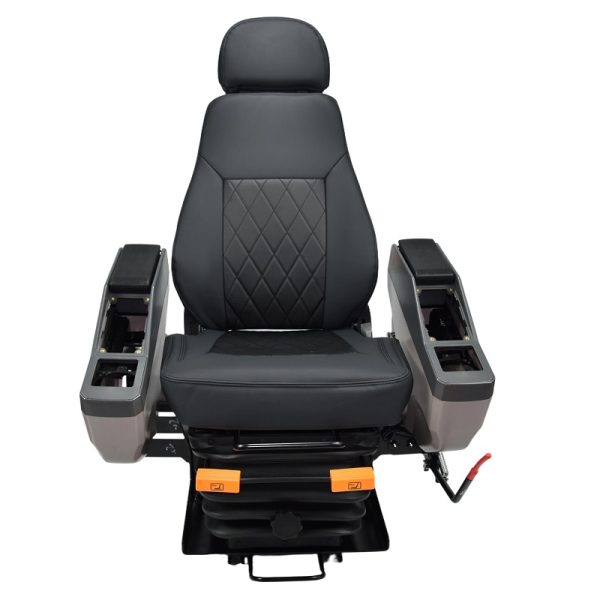
Core technologies, side-by-side
Air-ride systems use pressurized bellows to isolate whole-body vibration and are excellent at tuning for operator weight. Hydraulic suspension relies on damped fluid flow for a controlled, predictable response across a broad load range. Vibration isolator mounts and shock absorber designs are the finishing touches that keep secondary motion in check. Compare these on three dimensions: isolation performance, maintenance demands, and comfort adjustability—then prioritize based on your vehicle types.

Comfort vs. durability: real trade-offs
Ergonomics matter. A seat with a wide range of lumbar support and a clear suspension stroke adjustment will reduce lumbar fatigue and post-shift complaints. But tougher materials—reinforced frames, heavy-gauge springs—add weight and cost; they also resist the abrasion and grit common at sites like the Port of Long Beach, where operations routinely push equipment hard across long shifts. That port has long been a proving ground for robust seats, and fleets there report fewer downtime hours after swapping worn bench seats for dedicated ergonomic units. Expect longer service intervals with well-specified components, and watch for easy-to-service parts like replaceable cushions and accessible belt inertia reels.
Installation realities and common mistakes
Installing seats for construction machinery often looks straightforward until you hit mounting interface mismatches or electrical needs for heated cushions or air bladders. Common errors include under-torqued mounting bolts, ignoring cab floor isolators, and skipping the alignment of the seat base with the machine’s centerline—those missteps amplify vibration instead of reducing it. For a smooth retrofit, confirm suspension stroke clearance, wiring for active suspension (if present), and compatibility with your vehicle’s seat belt system. Also, don’t conflate a plush cushion with proper support—foam density and lumbar mechanics are what sustain comfort over months, not just the initial feel.
What brands get right — and what to test on day one
Top performers balance a robust frame, adjustable air or hydraulic controls, and service-friendly components. On day one, run three quick checks: adjust the suspension to the operator’s weight and test for bottoming; verify lumbar adjustments under load; and confirm vibration reduction at machine idle versus full travel. Keep records of operator feedback and vibration readings—simple accelerometer logging over a week helps decide whether an air-ride or hydraulic suspension suits a specific machine class.
Three golden rules for buying right
1) Measure the machine duty and operator profile: choose suspension type that matches payload variability and typical terrain. 2) Require modular serviceability: replaceable cushions, accessible dampers, and standard mounting patterns cut lifecycle costs. 3) Validate with a field trial: log vibration and operator reports for at least one week before fleet-wide buys. These metrics give you concrete ROI signals—reduced operator fatigue, fewer comp claims, and measurable drops in vibration exposure—so you’re not guessing.
Choosing the right seat is less about style and more about matching tech to task; when you do that, operator health and machine uptime both improve. For practical sourcing that aligns equipment needs with field realities, trust the product depth at Source One. —steady, simple, built to last.

