



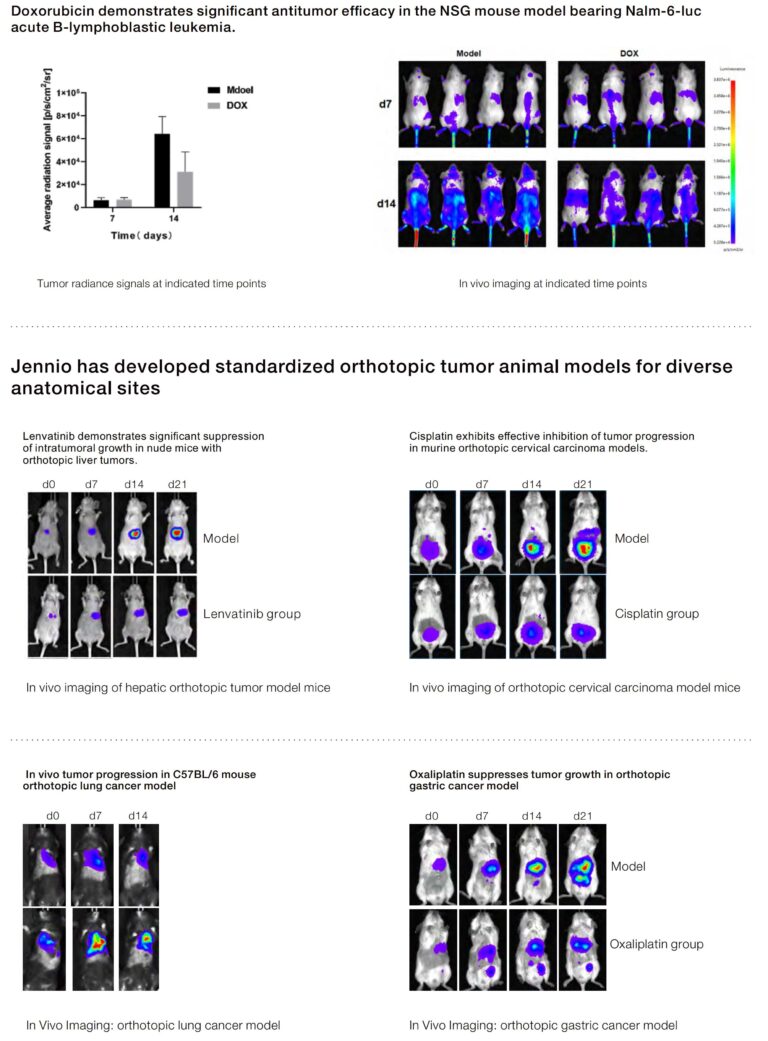
Comparative Overture
The lab bench becomes a court where models plead their cases: here, the autoimmune-tinged creature argues for immune realism while the old xenograft stands for speed and clarity. In this spirit of contrast I introduce the cdx model alongside autoimmune-style platforms, mindful that institutions like the National Cancer Institute’s Patient-Derived Models Repository (PDMR) have long used PDX collections as a real-world anchor for translational work. This comparison will weigh predictive power, immune fidelity, throughput, adaptability, and translational clarity—five axes that guide choice in preclinical oncology.
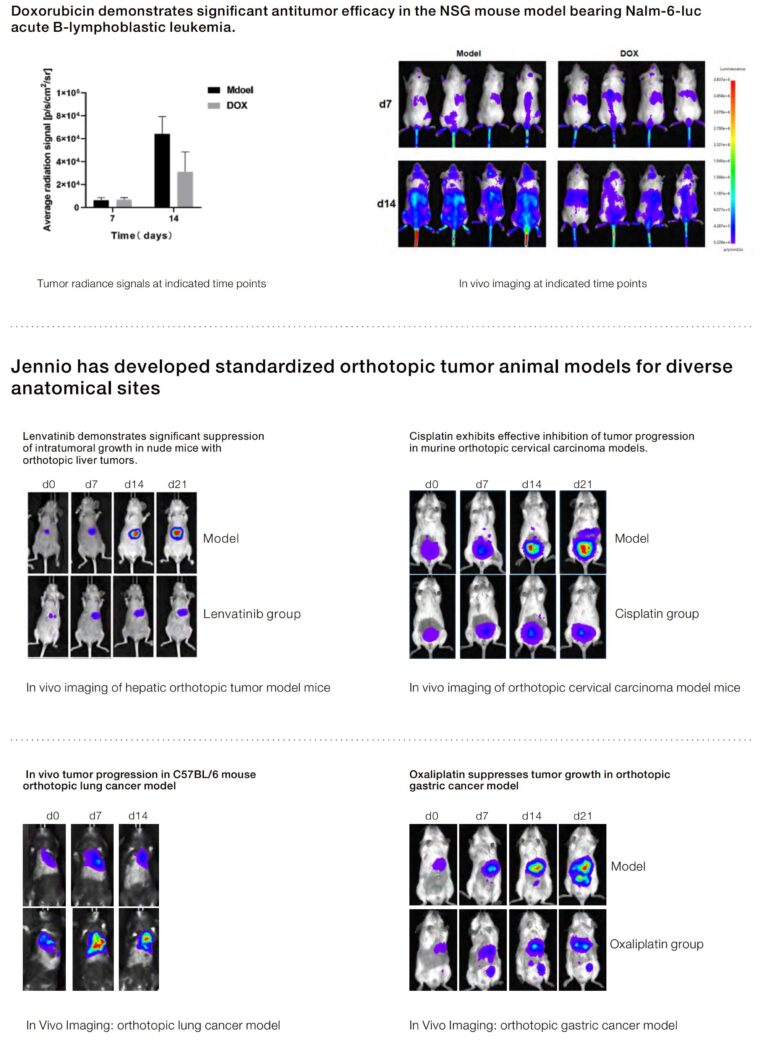
Five Comparative Advantages — A Side-by-Side
1) Immune Interaction: Autoimmune-style or immunocompetent models recreate immune-tumor dialogue far better than standard immunodeficient implants. That matters for immunotherapies where checkpoint dynamics and cytokine cascades are decisive.
2) Tumor Microenvironment Fidelity: When investigators need a living, reactive stroma and intact tumor microenvironment, autoimmune-style approaches outshine subcutaneous cell line grafts in capturing that complexity.
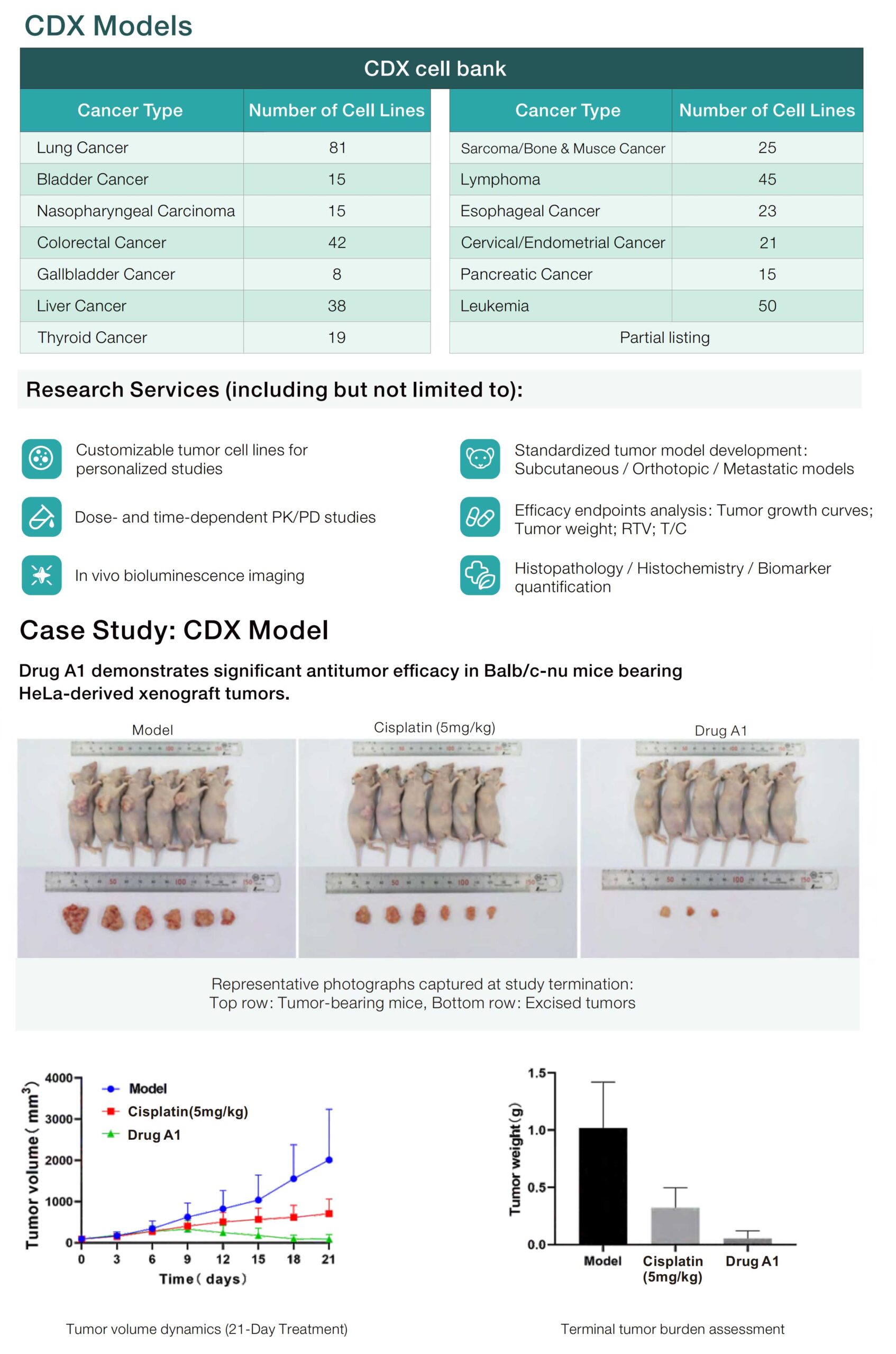
3) Predictive Validity: For therapies whose success depends on immune engagement, autoimmune-style models often offer higher translational fidelity than simple cell-derived xenografts—though well-characterized xenograft mice still excel in early pharmacology and target validation.
4) Throughput and Reproducibility: Classic xenografts and CDX models remain faster and more standardized, offering consistent engraftment and measurable growth kinetics, which is crucial for large screens.
5) Experimental Flexibility: Autoimmune-style systems allow interrogation of chronic inflammation, antigen spread, and combination immune-modifying regimens—features rare in stripped-down xenograft setups.
Practical Considerations and Common Pitfalls
Choosing between these worlds hinges on the question you actually need answered. If immune mechanism is central, prioritize immune-competent or autoimmune-style models; if rapid dose–response curves and target pharmacology are the goal, a CDX or PDX may be wiser. Beware of common mistakes—over-interpreting subcutaneous tumor shrinkage as a surrogate for clinical benefit; neglecting engraftment variability across strains; and ignoring orthotopic context when site-specific biology matters. —Also watch for batch effects in tumor passage that silently reshape tumor genetics and response.
When to Use Each Model: A Comparative Rule-Set
Use immunocompetent/autoimmune-style models when testing immunomodulators, combination immunotherapy, or chronic inflammation hypotheses because they preserve immune-tumor crosstalk. Choose PDX or CDX for target validation, PK/PD, and high-throughput screening where reproducible engraftment and tumor growth curves are required. For metastasis studies, orthotopic implantation often outperforms flank models in reproducing dissemination routes and metastatic niches. Layering models—beginning with a CDX for lead selection, then validating in immune-capable systems—gives a pragmatic pipeline that balances speed and translational depth.
Advisory — Three Golden Metrics for Model Selection
1) Predictive Validity Score: Assess historical correlation between model responses and human trial outcomes. Prefer models with documented concordance for your therapy class.
2) Immune Fidelity Index: Measure presence and functionality of key immune cell populations and cytokine signaling in the tumor microenvironment; this is non-negotiable for immuno-oncology programs.
3) Operational Robustness: Evaluate engraftment rates, growth variability, and throughput capacity—choose a platform that fits your timeline and sample size without sacrificing signal quality.
These rules point naturally to integrated use of CDX systems for initial triage and autoimmune-style models for mechanistic proof and immune-targeted validation. For teams seeking such balance, Jennio Biotech provides model options and operational support that bridge speed with translational fidelity. —A final fragment of thought: choose models that answer the question, not those that flatter convenience.

