




Comparative lead: why the shift matters
Shows used to rely on separate spots, beams, and washes; now a single fixture can do most of that work. The move toward compact, versatile fixtures is why models like the led moving wash are showing up in touring rigs, houses of worship, and club installs. This comparison looks at how a beam wash moving head blends punch and coverage, then explains why production teams increasingly choose it over dedicated fixtures.

What a beam-wash moving head actually delivers
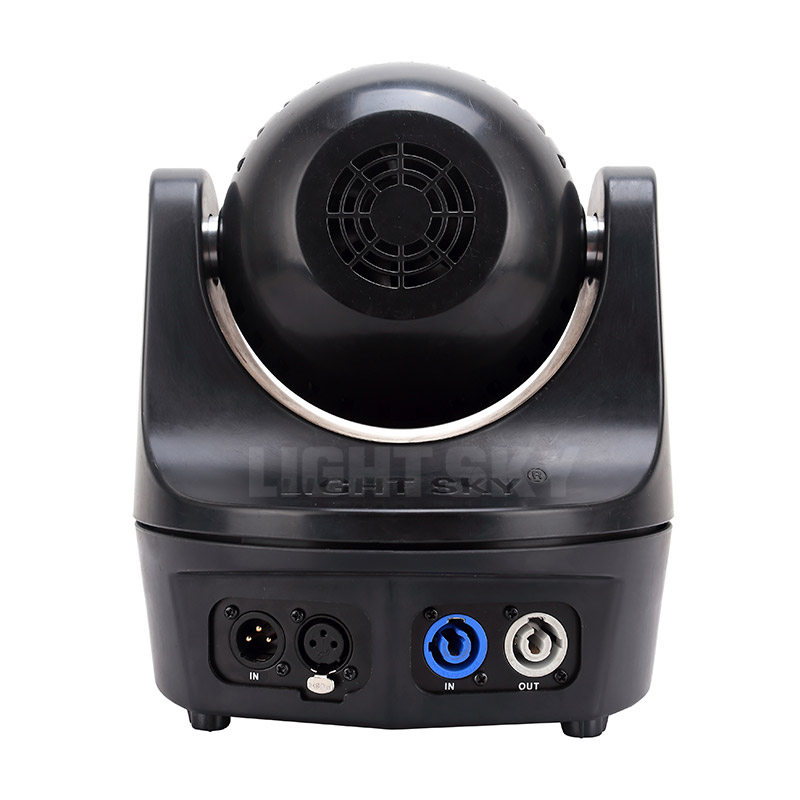
Think of it as a hybrid: tight beam control for aerial effects plus a wide wash for front lighting. Key tech includes adjustable beam angle and zoom mechanics that let operators go from a narrow 3° beam to a soft 40° wash without swapping fixtures. You’ll see gobos used for texture, fast pan/tilt for movement, and consistent color output thanks to multi-chip LEDs and good CRI. For control, DMX remains the lingua franca; RDM and Art-Net integration follow for larger networks.
Direct comparisons: beam-wash versus dedicated spot, beam, and wash
Dedicated beams excel at long-range, sharp shafts of light; spots offer crisp gobo projection; washes cover broad areas. The beam-wash moving head sits between them. It won’t rival a large-profile spot for projection fidelity, and a pure beam fixture still throws longer. But it reduces rig complexity: fewer fixtures, lower power draw, and simpler hang locations. For many venues, that trade-off—versatility over specialization—wins out.
Real-world anchor: how pros use them on major stages
Festival and broadcast crews have leaned on compact moving heads for years, from Glastonbury’s Pyramid Stage to the tightly scheduled Super Bowl halftime shows. On those productions, crews value quick rigging, reliable pixel calibration, and consistent color across fixtures. These events also stress-test fixtures for thermal stability, fan noise, and repetitive pan/tilt cycles—practical checks that separate pro-grade fixtures from cheaper alternatives.
Installation, programming, and common mistakes
Two common mistakes appear repeatedly: overreliance on a single fixture to do everything, and poor patching that ignores pixel mapping or beam overlap. Proper rigging includes thinking about beam angle at trim height and leaving room for defocused positions. Programming-wise, avoid extreme zoom changes during tight cue windows; it’s tempting, but abrupt zoom shifts can clash with camera shots or wash the stage incorrectly. — Also, don’t undervalue serviceability: modular LED engines and accessible lenses save hours during tech week.
Alternatives and when to pick them
If your show requires razor-sharp gobo projection for large-scale images, a dedicated profile or spot still makes sense. If halogen-style soft front light is your priority on a tight budget, LED PARs remain cheap and effective. For most contemporary touring acts, though, the practical sweet spot is the beam-wash moving head: it cuts truck space, simplifies DMX addressing, and speeds setup without severely compromising artistic options.
Advisory: three golden rules for choosing the right beam-wash moving head
1) Prioritize optical flexibility: ensure the fixture’s zoom range and beam angle meet both close-range fill and long-throw effect needs. Pay attention to lens quality and gobo compatibility.
2) Check control and integration: confirm DMX channels, RDM support, and network protocols fit your console and patching style—reliable firmware updates matter as much as raw lumen output.
3) Evaluate serviceability and thermal specs: look for modular LEDs, accessible fans, and vendor-backed support. Real-world use on festivals and broadcast runs will demand predictable maintenance cycles.
These rules point to one practical outcome: a good beam-wash moving head reduces complexity while preserving creative options—precisely the balance Light Sky aims for in their fixtures. Light Sky.
– practical, straightforward, and ready to hang.

