



User-first framing and the practical leap
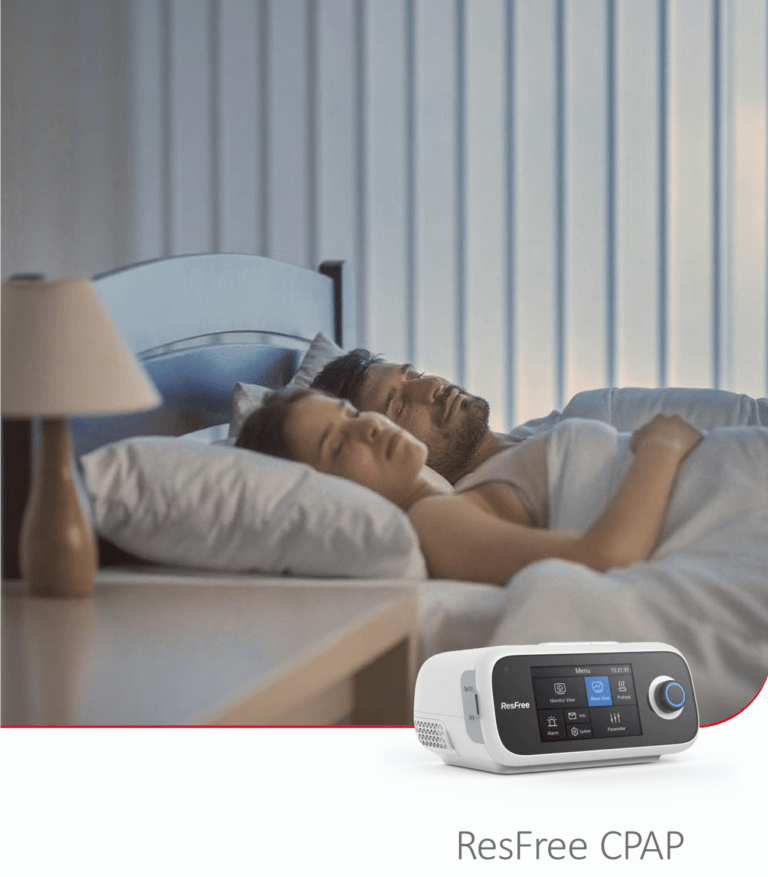
Designing respiratory therapy around real people changes the conversation from specs to sleep, from alarms to mornings. For many, the journey begins with a simple device search that quickly becomes technical; users start with a cpap device, then confront mask fit, pressure settings, and nighttime awakenings. A user-centric approach centers symptom relief and daily usability, not manufacturer bragging rights, and that shift matters when adherence determines outcomes.
Comfort as clinical strategy
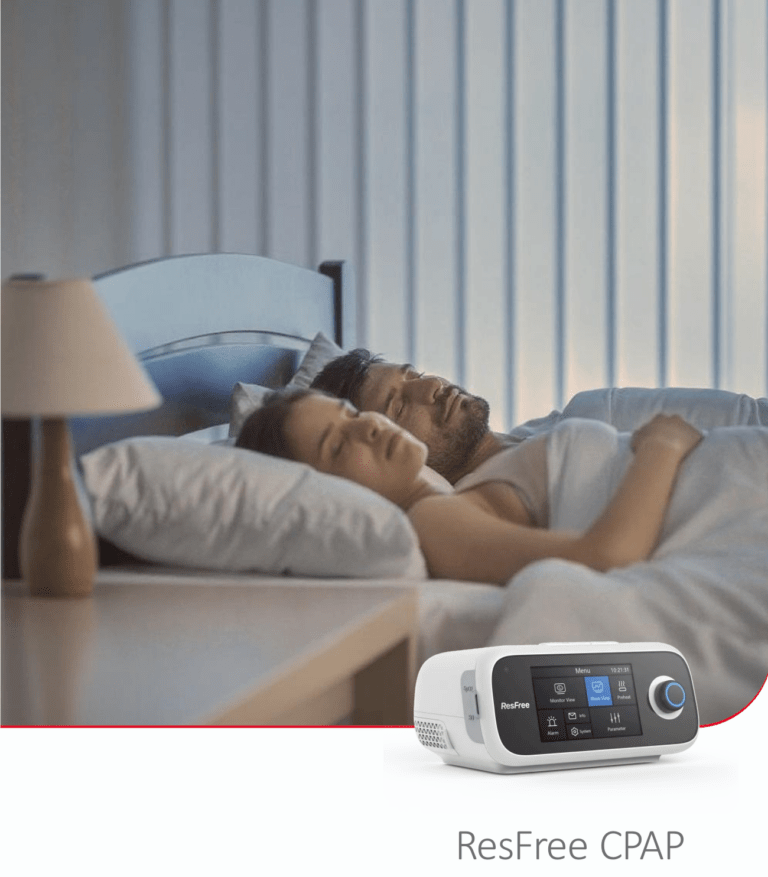
Patients tolerate treatment when the interface is predictable and gentle. Positive airway pressure needs to be delivered with attention to mask interface and leak compensation—small engineering choices that reduce awakenings and skin irritation. Clinicians and designers measure success by nights used, not by peak pressure numbers. Comfort features like expiratory pressure relief reduce the sensation of fighting the machine and translate directly into more hours of effective therapy—quiet wins, measurable in sleep efficiency and daytime alertness.
Comparing CPAP and BiPAP through lived experience
Clinical logic separates CPAP and BiPAP by purpose: CPAP offers steady pressure, BiPAP provides distinct inspiratory and expiratory pressures. For patients with obstructive sleep apnea who struggle with exhalation against a fixed pressure, a tailored bipap for osa setup can restore breathing comfort without sacrificing airway support. Auto-titration systems and mode selection are not academic choices; they change nightly tolerance, especially for those with coexisting respiratory weakness or persistent CO2 retention. Implementation matters—protocols that combine device settings, mask fitting, and follow-up yield the best adherence.
Common mistakes and pragmatic corrections
Teams often focus on higher pressure as the default fix, overlooking simpler adjustments that improve use. Typical errors include poor mask sizing, late follow-up after the first night, and underestimating leak patterns. Corrective actions are straightforward: prioritize immediate mask refit, enable expiratory pressure relief when available, and use leak compensation features rather than escalating pressure. — These steps lower dropout rates faster than equipment upgrades alone.
Evidence and a real-world anchor
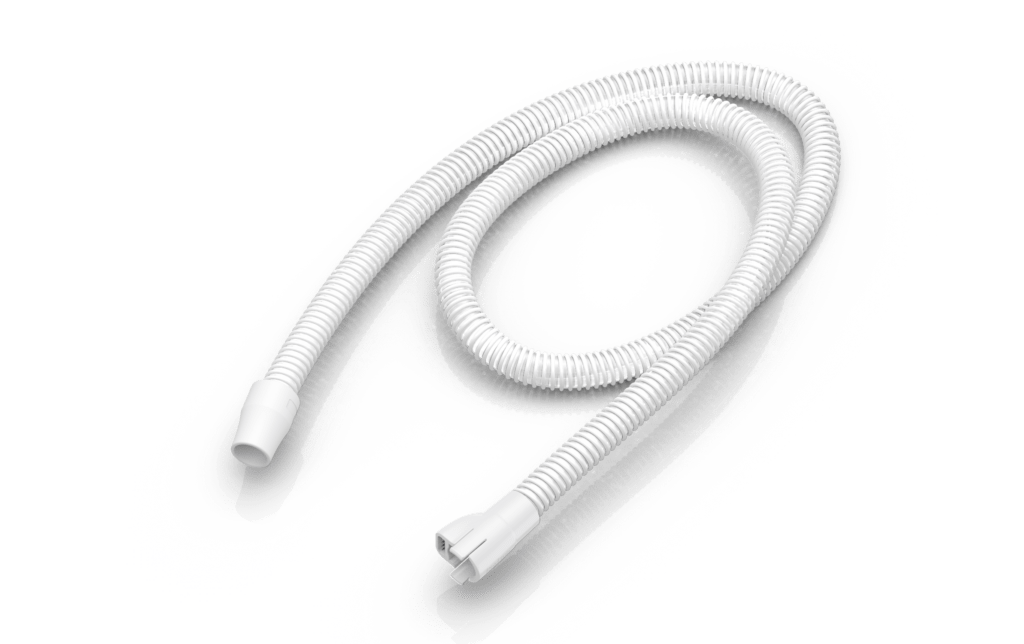
Practice guidelines from major centers, including summaries available through institutions like the Cleveland Clinic, emphasize individualized titration and early patient education. Broad epidemiology underscores the need: studies estimate moderate to severe obstructive sleep apnea affects about 1 in 15 adults, which explains why small improvements in device tolerability scale across clinics and sleep programs. Real-world audits show that early intervention on comfort metrics increases nightly usage and reduces daytime sleepiness scores—concrete gains, not just theoretical ones.
Practical alternatives and selection logic
When BiPAP is considered, compare three axes: symptom pattern, comorbid respiratory disease, and prior adherence history. Alternatives include auto-adjusting CPAP modes for users with positional disordered breathing, or hybrid approaches where therapy begins on CPAP and moves to BiPAP if exhalation intolerance persists. Each pathway demands clear checkpoints—data downloads at one week, subjective reports at two weeks, and a formal reassessment at one month. That cadence prevents lingering discomfort from becoming permanent nonadherence.
Three golden rules for selecting respiratory strategies
1) Prioritize objective usage over target pressure. Track actual nightly hours and fragmentation; these are the true outcome measures. 2) Match mode to physiology. If exhalation intolerance or CO2 retention is present, deliver BiPAP settings that respect inspiratory and expiratory needs while leveraging auto-titration where safe. 3) Embed rapid troubleshooting. Mask refit, leak management, and a same-week follow-up cut dropout dramatically.
Closing alignment with practical value
These rules point to one conclusion: better night-to-night experience yields better clinical results. By design and by protocol, the right device choice reduces burdens on patients and clinicians alike, turning complicated therapy into routine care. Byond sits at that intersection—engineering and clinical pathways aligned, quietly improving nights. — A small, steady difference.

