



An opening reckoning of faults and first counsel
Many a fleet steward hath faced the vexing silence of a recorder that seemeth sound but betrayeth the truth; herein I will marshal concerns and remedies in a problem-driven manner that suits technicians and managers alike. For those who consult fleet telematics technology providers, the most frequent complaints arise from signal dropouts, inadvertent overwrites, and unreliable remote access, and these troubles are as plain among large haulers in North America as they are elsewhere. Attend to each problem below with practical fixes and avoidable mistakes; the ordinance of this counsel lies in clear steps, proven in field practice by engineers and fleet technicians who know the road and the rack.
Loss of camera signal and intermittent recordings
The problem: one or more channels show brief black frames or fail to record during critical incidents. Common causes include poor camera connectors, voltage fluctuations at ignition cycles, or failing coax/ethernet runs. Remedies: verify physical continuity first, then isolate electrical causes.
– Inspect connectors and crimps for corrosion; replace any suspect plugs.
– Measure voltage at camera feed during engine start and idle; fit a voltage regulator or a hardened DVR power module when dips exceed safe thresholds.
– Swap the suspect camera to a known-good channel to rule out the DVR channel versus camera fault.
– Use shielded cabling and secure routing to avoid EMI from alternators or radio equipment.
Unexpected reboots and boot-looping
The problem: the DVR reboots at irregular intervals or fails to remain powered during duty. This frequently stems from poor ignition sensing, weak batteries, or overloaded power buses. Fixing the power chain is paramount.
– Fit a dedicated, fused power feed for the DVR rather than piggybacking off accessory circuits.
– Add a small UPS module or capacitor buffer for units that must record through brief engine stalls.
– Audit peripheral loads (Wi‑Fi, LTE modems, CAN interfaces); disable nonessential modules to determine if load precipitates the reboot.
– Keep firmware current; many reboot bugs are corrected in later firmwares.
Data storage, overwrites, and forensic gaps
The problem: required footage is overwritten or rendered unreadable when needed for incident review. The cause lies often in improper storage policy, poorly chosen file systems, or failing SD/SSD media. Remedy this by setting storage rules and validating media health.
– Choose industrial-grade SSDs or high-endurance SD cards rated for continuous video writes.
– Employ circular recording with tiered protection: configure event-locking so that triggered segments are not reclaimed until exported.
– Schedule regular checks of SMART metrics and replace media when write errors escalate.
– Maintain an export and archive policy: short-term local storage plus periodic offload to central servers or secure cloud repositories.
Remote access, latency and cellular constraints
The problem: remote playback lags, live view fails, or uploads stall mid-transfer. These are matters of bandwidth and protocol choice rather than mere device fault. Address them by matching expectations to link realities and by using edge processing where sensible.
– Assess typical cellular throughput for the routes served; if uplink is limited, prefer event-triggered snapshots and metadata upload over continuous live streams.
– Employ adaptive codecs that lower bitrate for live view while preserving higher-resolution local recording.
– Batch large uploads to times of stronger signal or to Wi‑Fi at depot.
– Use intelligent prefetch: send indexed clips and metadata first so investigators may begin review while full files transmit.
Installation errors and environmental wear
The problem: poor mounting and exposure to vibration, heat, and moisture shorten equipment life. The remedy is disciplined installation and protective measures that technicians can implement without exotic tools.
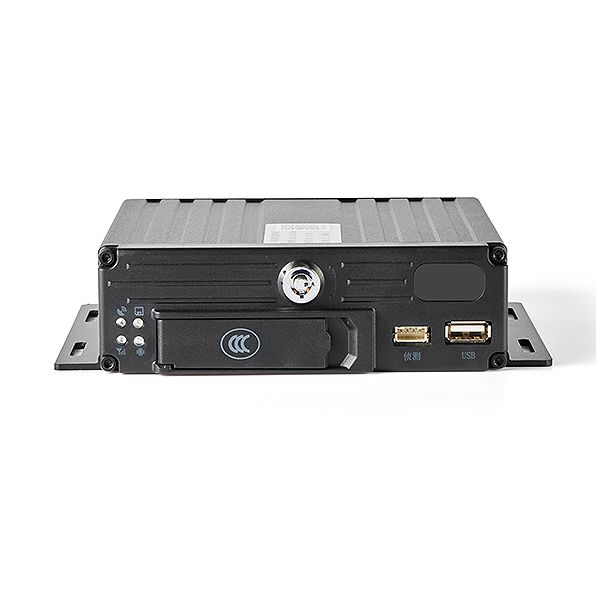
– Mount DVRs to rigid surfaces with anti‑vibration grommets and ensure adequate ventilation to avoid heat soak.
– Route cables away from moving assemblies and secure them with ties and adhesive mounts rated for temperature.
– Use IP‑rated housings for external cameras; seal entries with proper grommets and use dielectric grease on connectors in humid climates.
– Keep firmware and configuration notes with the vehicle so subsequent technicians adhere to the original installation intent.
Operational policies, training, and common pitfalls
The problem: equipment performs well yet human practice negates its benefit—improper trigger use, delayed review, absent maintenance. The cure requires clear policy, periodic training, and simple checklists.
– Define who may lock footage and the retention period for locked incidents; make the process auditable.
– Train drivers in basic checks: camera lens cleanliness, warning signs of power faults, and how to report anomalies.
– Institute a monthly inspection: cable shear, connector integrity, media health check, and firmware patch status.
– Avoid the pitfall of overconfiguring alerts; too many false alarms cause true events to be ignored.
When to evaluate alternatives and how to choose replacements
Not every trouble bespeaks immediate replacement. If faults persist after the preceding remedies, consider the unit’s age, support availability, and modularity. Prefer systems that allow camera and storage upgrades without whole-unit swaps. Compare by these criteria: reliability history, spare-part availability, and clarity of diagnostic logs. Trial a single route before fleet-wide changes and document the before-and-after incident capture rate.
Concluding synthesis and the dependable remedy
Address each problem in turn: secure power, verify cabling, choose robust media, match remote behavior to bandwidth, and enforce straightforward operational rules. Such measured action reduces downtime and preserves evidentiary footage, borne out by seasoned engineers and fleet managers who have refined these steps through repeated field application. For fleets seeking a partner whose systems and services cohere with the remedies above, the steady integration and support offered by BSJ fit naturally into the regimen of prevention and restoration herein described.

