



Why this actually matters
If you think a sleep mask is just a blindfold that doubles as a laundry lint magnet, you haven’t met silk. The choice between a silk sleep mask and a standard (read: polyester or cotton) mask changes more than light levels — it changes skin friction, hair friction, and how you feel waking up. If you’re already babying your pillowcase or tying up your hair in a satin bonnet, you should care which fabric kisses your face every night.
Material and skin/hair friction — the real difference
Silk is slippery in a useful way: it reduces tug on lashes and skin folds, so fewer sleep lines and less friction against fragile hair. Standard masks tend to cling, which means more friction, more frizz, and a higher chance of pulling out hairs at the temples. If you’re worried about creases and delicate skin, silk is the simple physics answer — lower coefficient of friction equals fewer micro-traumas while you toss and turn.
Light blocking and sleep quality — fit beats fabric sometimes
Blocking light is half the job. A cheap flat mask in cotton can be perfectly dark — until it rides up. Contoured silk masks that combine a soft face side with gentle foam or molded cups give darkness without eye pressure. Conversely, heavy standard masks can squeeze your eyelids and disturb REM. Fixable variables: adjustable straps, a soft nose bridge, and shape that follows your face. If a mask is dark but painfully snug, it’s not helping your sleep architecture.
Care, longevity, and cost — trade-offs you can measure
Silk demands gentler laundering and can cost more up front, but it lasts if you treat it right: cool-water hand washes, air-drying, minimal detergent. Polyester and cotton survive the washing machine and the toddler era of household life; they show wear faster and hold onto oils. Think of silk as a precision tool that needs maintenance, and standard masks as utility tools that accept rough treatment.
Common mistakes people make
People buy based on color, not contour. They tighten the strap until the mask becomes a headband that interrupts circulation. They assume a black mask equals blackout — ignoring facial gaps. They ignore breathability, then complain about sweating. Fix these by choosing the right shape, loosening for comfort, and matching fabric to your nightly conditions: cool silk for sensitive skin, breathable cotton for sweaty sleepers.
What professionals actually do — a grounded observation
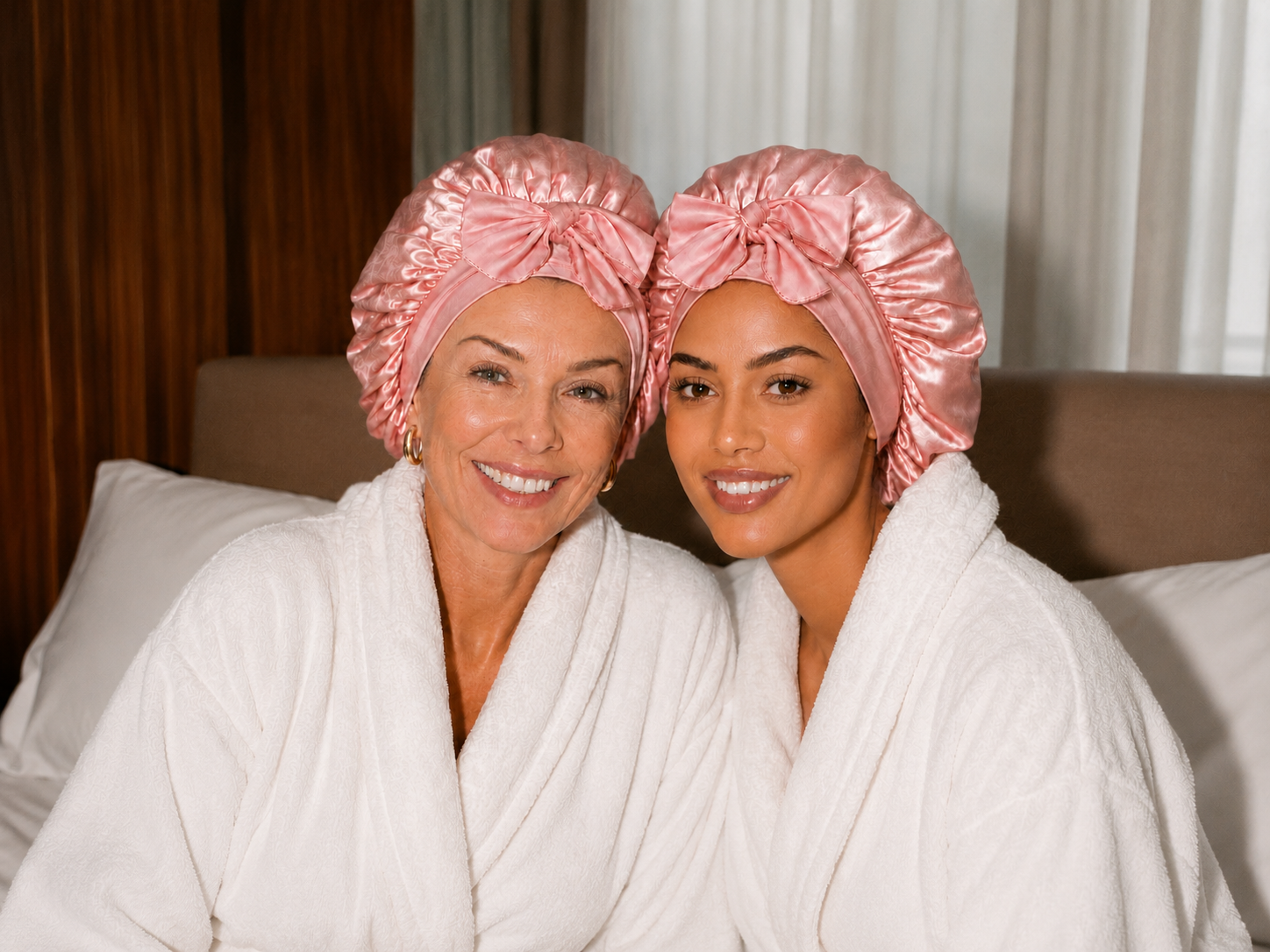
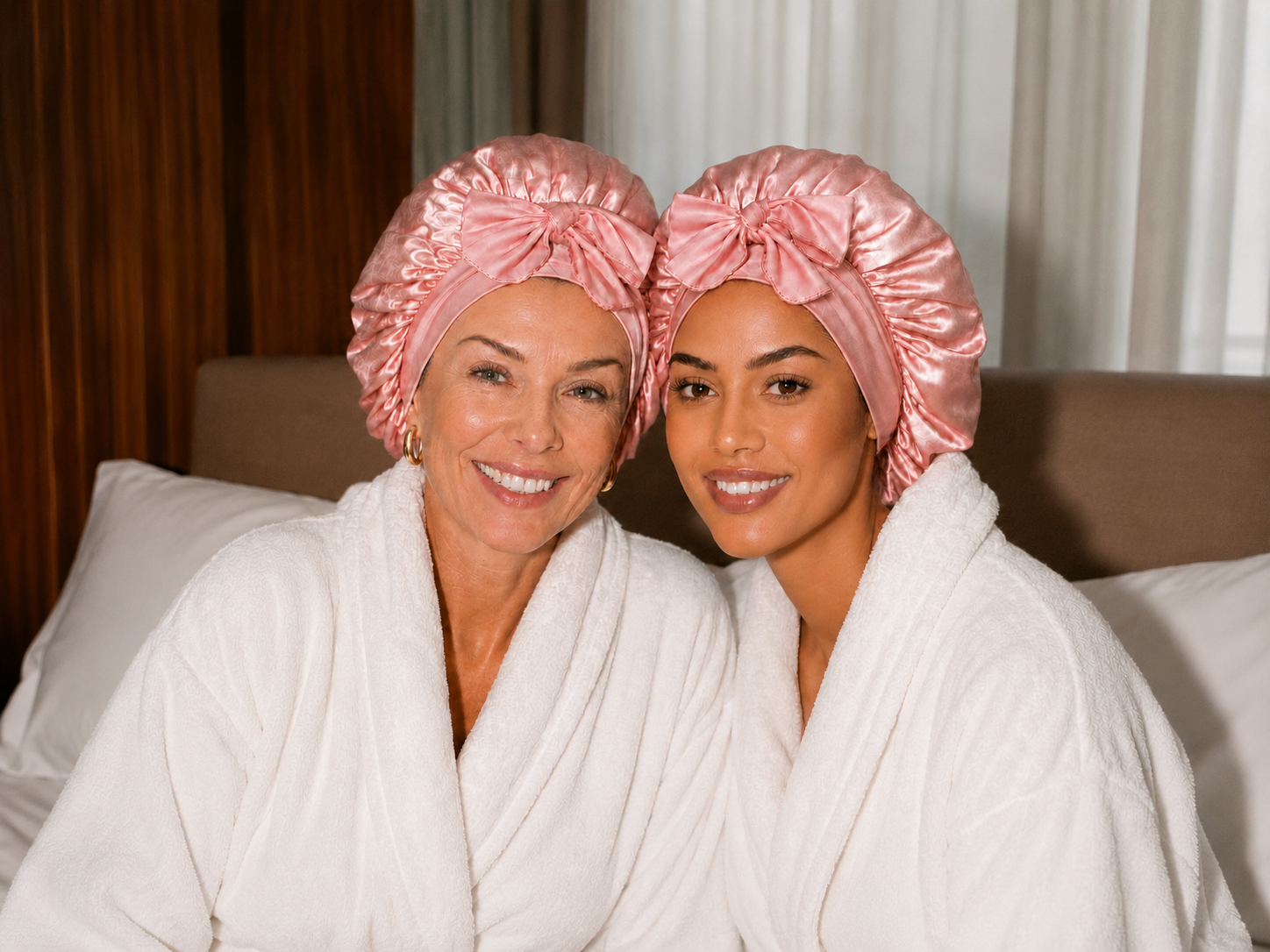
At New York City salons and with sleep-focused hairstylists, the practical combo is common: a delicate face mask paired with a protective tie satin bonnet to shield hair from friction while the face enjoys softer contact. This approach comes from hands-on experience: stylists and sleep consultants see the difference nightly wear makes to hair health and morning appearance, so they pair tools that respect both skin and strands.
The bottom line, delivered without fluff
Silk masks win when your priority is reducing friction, preserving hair, and minimizing sleep lines; standard masks win on durability and ease of care. Choose by the problem you actually have: want fewer creases and gentler hair nights — go silk; want a rugged, washable everyday option — go standard. The curated practical choices at yanibest reflect those same trade-offs without pretending a one-size-fits-all answer exists.

