



Start: what breaks projects first
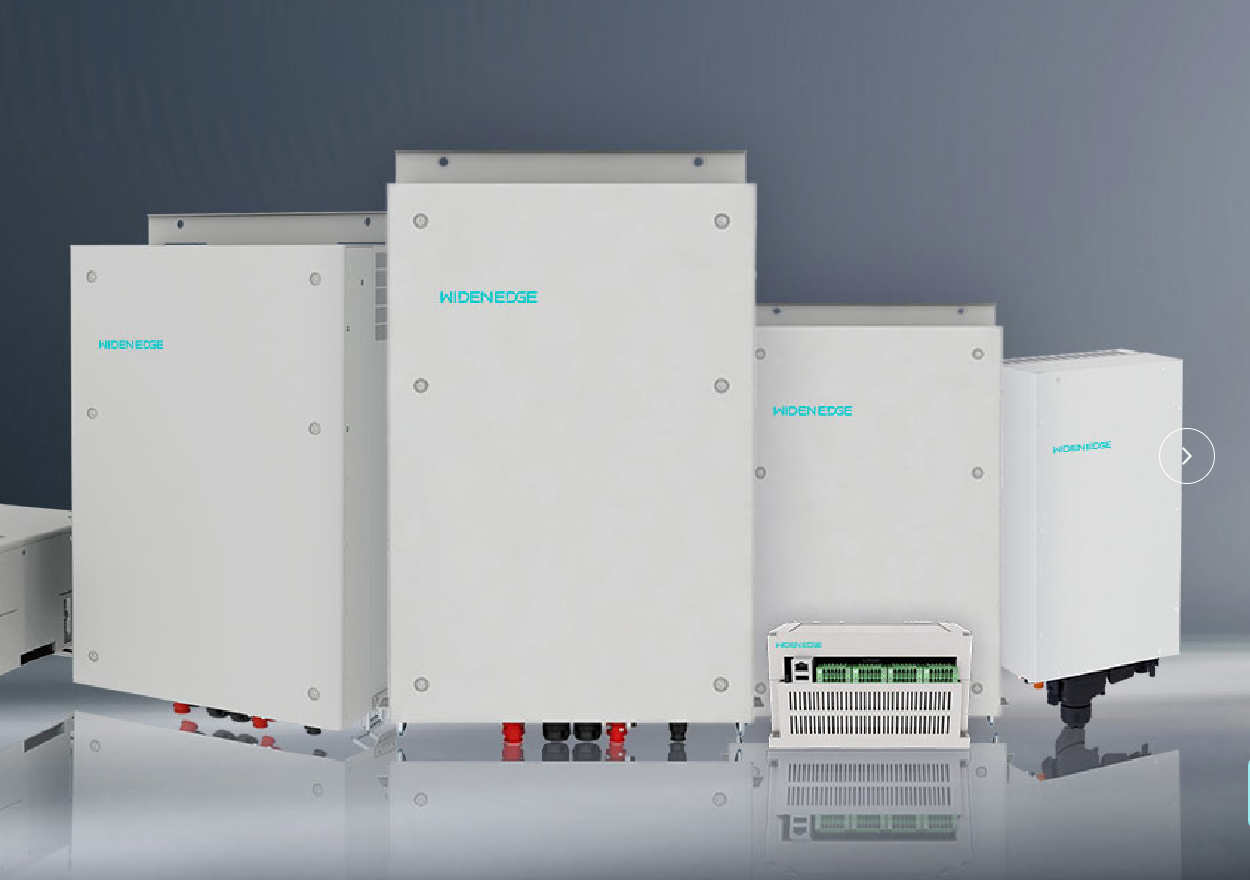
Projects stall when design assumptions meet real sites. A commercial rooftop or a remote mini-grid will hit three repeatable failure points: undersized inverters, mismatched controls between PV and battery, and operations plans that ignore load dynamics. When you expect a single unit to manage peak export, long backup duration, and rapid transient loads, the wrong hardware choice kills uptime. For systems that must run independently, consider a proven mid-size unit like the 60kW off-grid PV inverter early in the spec cycle so sizing and control architecture reflect real load profiles rather than wishful margins.
Why inverters fail: technical root causes
Failures fall into clear technical buckets. Power electronics suffer thermal stress when continuous load rating is exceeded. Control firmware clings to factory defaults that don’t match battery chemistry, causing poor state-of-charge estimates. Protection settings either trip too early or never trip because anti-islanding and anti-backfeed logic aren’t tuned for the installation. Fixes are straightforward: rate continuous and surge power to actual loads; use SOC algorithms matched to the battery type; and verify protection logic against actual line conditions.
Selection checklist for off-grid solar storage inverter
Pick components against a tight checklist so you avoid hidden mismatches. Use this shortlist as a decision engine:- Continuous and surge ratings relative to measured peak loads, with headroom for inrush and future expansion.- Battery chemistry support and configurable SOC profiles (Li‑ion, AGM, flow).- Native MPPT count and voltage windows sized for your PV array.- Grid-forming capability and droop control for multi-unit parallel operation.- Certified safety compliance (verify IEC 62109 or equivalent) and manufacturer firmware update policy.- Remote telemetry and COMMS protocols (Modbus TCP/RTU, SunSpec) for integration with SCADA.For straightforward comparison, include at least one off grid solar storage inverter model in your shortlist and run load-flow simulations before procurement.
Common installation and commissioning mistakes
Teams often rush wiring, skip thermal verification, or rely on vendor default settings. Avoid these errors:- Don’t base cable sizing on nominal current; calculate for continuous duty and ambient derating.- Run a thermal check under expected summer conditions before sealing enclosures.- Commission with real loads (or a high-fidelity load emulator) to validate response to motor starts and transient events.- Validate anti-islanding and synchronization in isolated test modes, not just simulations.These steps catch issues that warranty claims won’t fix later.
Operational pitfalls and maintenance priorities
Operational drift creates the majority of field failures. Maintain battery health by enforcing recommended charge profiles and logging SOC drift. Schedule firmware updates during low-demand windows and verify changes in a lab or parallel unit first. Monitor three metrics continuously: battery voltage spread, inverter junction temperature, and inverter internal error counters. If any of these trend outside baseline limits, act before performance degrades.
Trade-offs and alternatives
There’s no single right answer; trade-offs depend on priorities:- Cost-sensitive sites often accept lead-acid batteries and simpler inverters, but pay with lower cycle life and heavier maintenance.- High-reliability sites choose grid-forming inverters with redundant parallel units; higher capital cost but less operational risk.- Hybrid microgrids may pair generators for long-duration resilience; that adds fuel logistics and synchronization complexity.When comparing options, quantify lifecycle cost and dispatchability against downtime cost to make an objective choice.
Field insight: where theory hits dirt
From deployments in rural electrification projects in Kenya, installers learned to standardize inverter configurations to reduce commissioning errors. That real-world exposure shows that a consistent, documented commissioning checklist reduces field rework and short-circuits warranty disputes. Lessons from those projects emphasize training local technicians on firmware procedures and maintaining a small spare-parts inventory on site.
When to engage specialists and what to expect
Call in controls or protection specialists when your system requires parallel operation of multiple inverters, frequency droop coordination, or tight blackstart requirements. Expect them to deliver: updated single-line diagrams, coordinated protection settings, and a commissioning script that includes staged load tests and telemetry validation. Specialists will also set up remote health monitoring so you can detect degradation patterns early.
Final synthesis
Problem-driven thinking forces you to match hardware, controls, and operations to the realities of load behavior and site conditions. Prioritize inverter continuous rating, control compatibility with your battery chemistry, and rigorous commissioning steps. That focused approach prevents most field issues and makes lifecycle costs predictable; if your project needs a dependable reference platform, consider vendors with proven off-grid performance and structured deployment support like WidenEdge.

