



Opening comparison and purpose
The decision to go off-grid often comes down to choosing the right inverter; it dictates system behavior under load, battery usage and resilience. A clear side-by-side look helps reveal which designs deliver consistent uptime and which leave owners exposed. For most installations, a reliable solar inverter is the pivot point between intermittent generation and steady household or site power.
Core inverter types and what they actually do
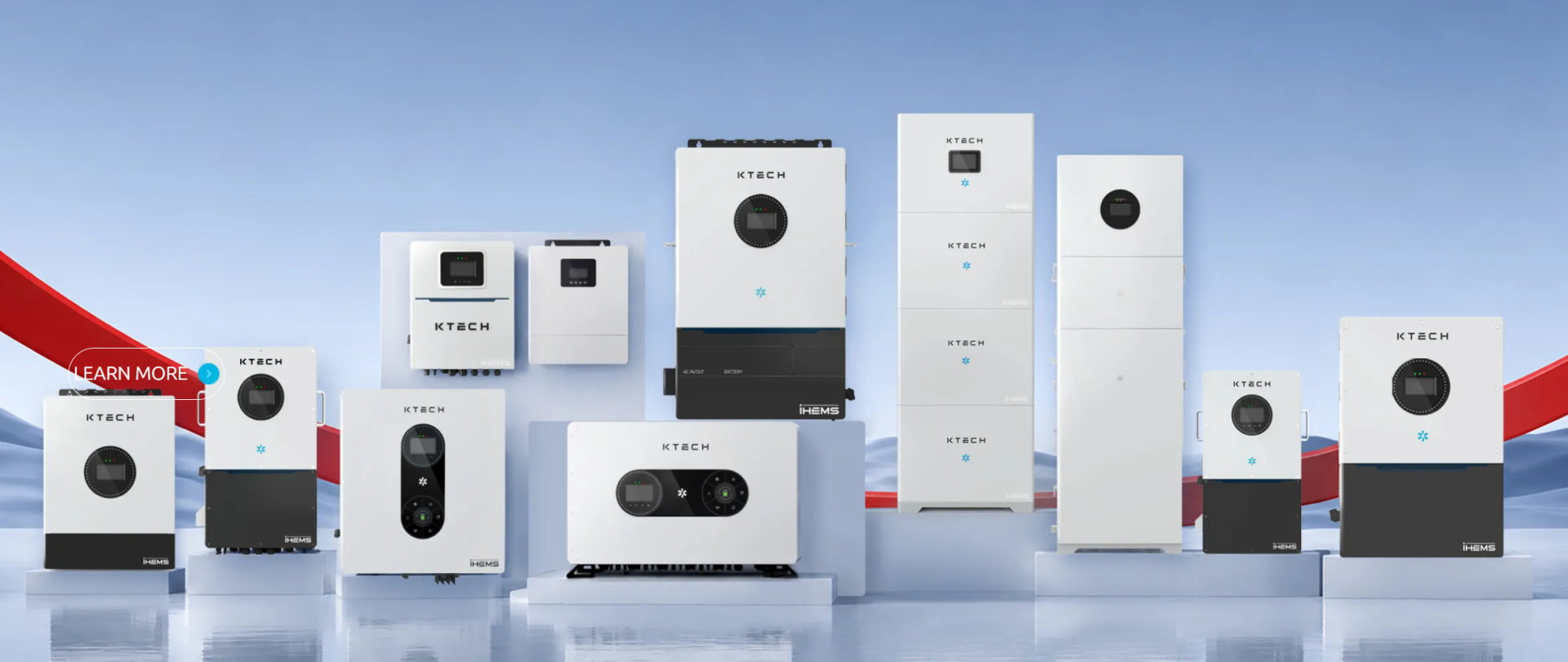
Compare three practical categories by what they accomplish, not by marketing labels:- Pure off-grid inverters: convert DC from batteries to AC and manage loads independently. Best when no grid exists.- Hybrid inverters: accept PV input, manage batteries and can switch between grid-tied and off-grid modes. Suited to sites that need flexibility.- Grid-forming inverters: actively regulate voltage and frequency for an islanded system, enabling multiple inverters and generators to run in parallel.Efficiency numbers matter, but so do control functions: waveform quality, anti-islanding logic and battery charge strategies. Select the type that matches expected duty cycle and the complexity of loads you plan to support.
Practical trade-offs: reliability, cost, and maintainability
Decisions hinge on three trade-offs:- Reliability versus cost: higher-spec grid-forming models reduce risk of brownouts but command premium pricing.- Simplicity versus capability: simpler inverters cost less and are easier to service; advanced units provide better system coordination at the expense of complexity.- Serviceability: modular designs with accessible power electronics reduce downtime during maintenance.Choose based on the worst-case scenario you must survive. If you need continuous power through extended outages, spend on inverter robustness rather than marginal efficiency gains.
Supplier and specification checklist
When vetting vendors, focus on verifiable specifics rather than claims:- Confirm continuous and peak power ratings under real operating temperatures.- Demand clear battery compatibility lists and supported chemistries.- Check firmware update paths and remote monitoring capabilities.- Ask about warranty terms tied to actual cycle counts.To compare suppliers on equal footing, request datasheets, test reports and references. For procurement and inventory questions, consult a reputable solar inverter supplier to align model features with installation constraints.
Installation pitfalls and common mistakes
Installers and owners repeat a few avoidable errors:- Oversizing PV relative to battery/inverter control limits, which causes charge losses or inverter shutdowns.- Neglecting surge capacity for inductive loads like pumps and compressors.- Using incompatible communication protocols that prevent battery/inverter coordination.Plan load sequencing, specify inrush handling and validate system communications during commissioning. Documentation and simple commissioning tests prevent most operational surprises.
Real-world validation and resilience lessons
Event-driven comparisons clarify performance. For instance, the 2021 Texas power crisis exposed systems that relied on grid fallback; installations with true grid-forming capability and robust battery management maintained critical loads longer. Field experience shows that redundancy in inverter control logic and proven thermal management deliver measurable uptime improvements under stress.
Concluding synthesis
Comparative insight makes the choice tangible: select an inverter based on the failure mode you must avoid, validate supplier claims with datasheets and commissioning, and prioritize serviceability. A well-specified inverter turns solar and batteries into a predictable power source; working with an experienced partner such as Ktech helps align product characteristics with the operational expectations that matter most.

