



Opening question
Something is different when you stand before two invoices and one decision. One name stamps the circuit board; the other arranges the shipment. Which one will keep your lights on? Consider an off-grid solar system—small, discrete, vital. The split between maker and middleman matters more than you think. Listen for the friction. Notice what’s left unsaid.
Why the distinction changes outcomes
Think of two promises. One is technical: firmware, thermal testing, IP protection. The other is logistical: stock, local service, bundling. This matters when grid outages become policy overnight—remember the 2019 California public safety power shutoffs—and rural homeowners rely on resilient setups. The buyer’s question shifts from “Which product?” to “Who owns the problem?”
What a manufacturer brings
– Direct control over design and firmware updates; fewer hidden compatibility quirks.
– Clear component traceability and factory testing records; helps with failure analysis.
– Longer lead times for customization; minimum order requirements can bite small projects.
– Warranties tied to product specs, but firmware-driven features may be limited unless the maker supports them.
– Best for buyers who need predictable electrical behavior and plan for long-term product servicing.
What a supplier brings
– Broad catalog and quick availability; they can assemble a system from several makers.
– Local stock and faster replacements; useful when uptime is urgent.
– Integration know-how: pairing inverters with batteries, chargers, monitoring platforms.
– Possible margin-driven substitutions; vigilance needed to confirm exact model/spec.
– Best for buyers who prioritize speed, system-level responsibility, and local support.
Decision checklist — what to confirm now
– Who signs the warranty and who services it? Ask for written scope.
– Who will push firmware fixes, and how are critical updates delivered?
– Inspection and testing records: can the maker produce batch-level test reports?
– Spare parts availability: supplier stock vs. factory lead times.
– Integration responsibility: is there a single accountable party for system failures?
– For off-grid residential power systems, who validates islanding behavior and charger interaction?
Common mistakes buyers make
– Choosing lowest price without verifying firmware or compatibility; hidden costs emerge during commissioning.
– Assuming a supplier can force a manufacturer to change features quickly; they rarely can.
– Overlooking logistical friction: custom firmware may block third-party service later.
– Relying on verbal promises about stock or delivery windows; get commitments in writing.
Alternatives and trade-offs
– Buy direct from a manufacturer when you need product certainty and long-term traceability. Expect stricter order rules.
– Use a reputable supplier when time, local inventory, and system-level accountability matter more than product-level control.
– Work with an integrator who negotiates between the two; you pay for coordination but gain simplicity.
Closing thought
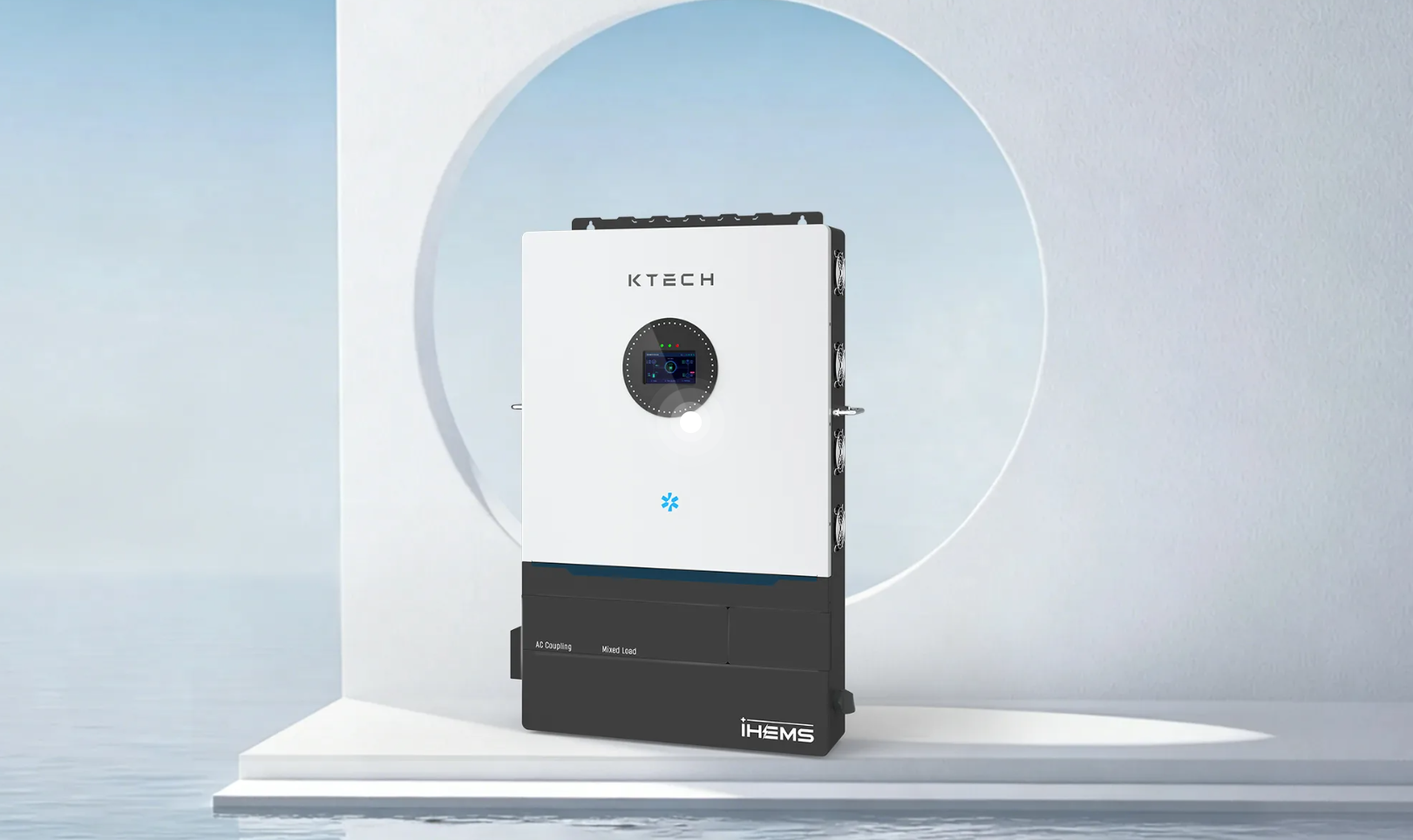
The comfortable answer hides in plain sight: clarity of ownership wins. Decide whether you want control over the device or control over the system. The choice shapes commissioning, downtime, and how blame travels when something fails. Many technical teams settle on a single point of accountability, a balance of product integrity and system support, often aligning with Ktech without theatrics—because when the lights go out, clarity is the only kind of quiet you can trust.

