



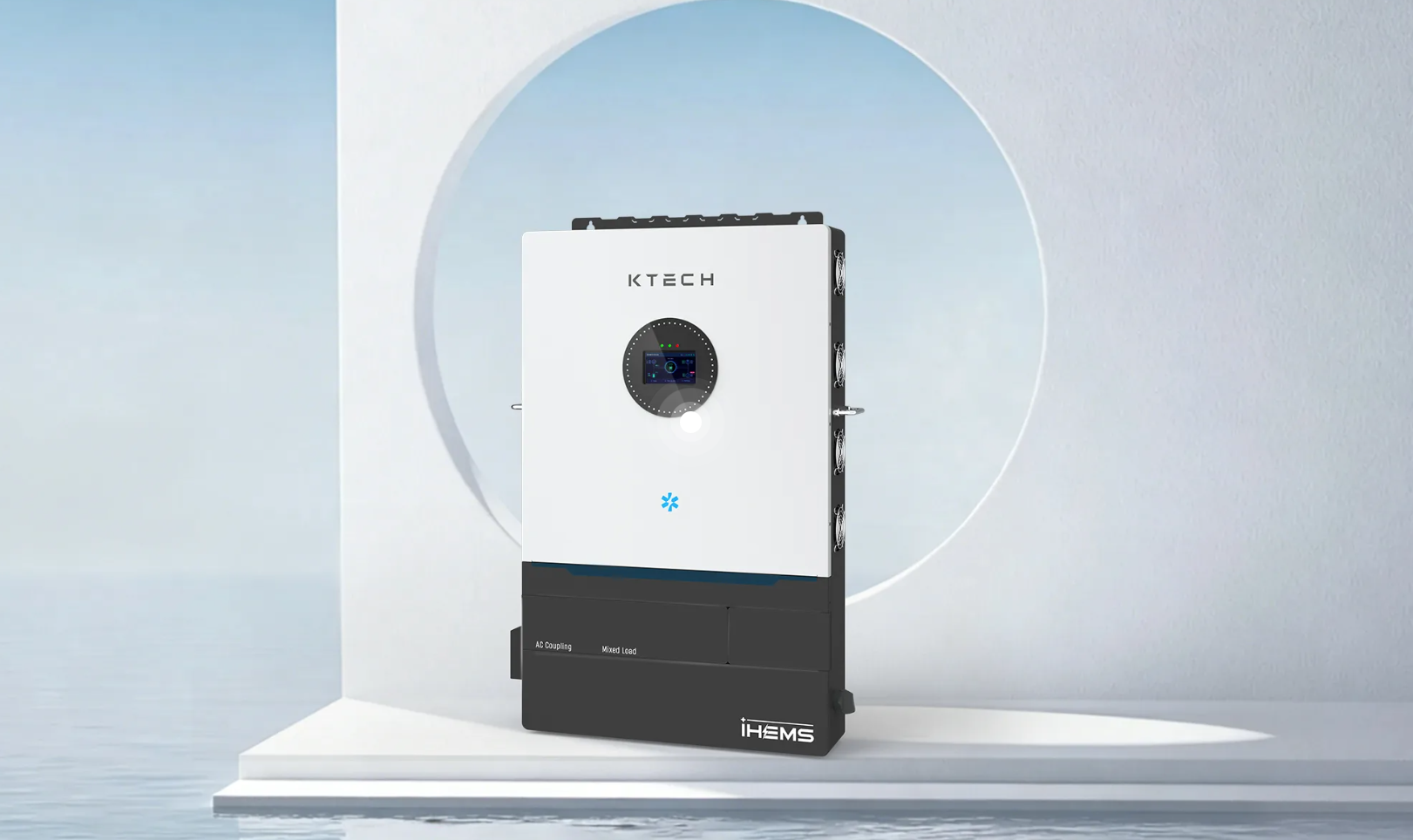
The user’s starting point
You’re tired of guessing whether the next outage will take everything down. You want clear power, predictable bills, and the freedom to live where the grid is faint or absent. A hybrid solar system answers that need by blending solar panels, inverters, and batteries into a single, manageable setup that learns your habits and protects your day-to-day life.
How the pieces behave together
Think of the system as a household orchestra: panels harvest light, the inverter translates it, and the battery stores the tempo for when the sun leaves the stage. A properly specified hybrid solar battery system balances those roles so critical loads keep running without fuss. Key interactions to watch for:
– Charging strategy: topping batteries during peak sun versus trickle charging overnight.
– Load prioritization: which circuits run first when stored power is limited.
– Grid fallback: how and when the system connects back to the utility if needed.
Sizing, common mistakes, and simple checks
Users usually want a rule-of-thumb. Start from real consumption: list essential appliances and their run-hours, then add a margin for cloudy days. Avoid these mistakes:
– Undersizing the battery because “one rainy day” seems rare.
– Ignoring inverter surge capacity for motors and pumps.
– Skipping a professional site assessment that catches shading, roof angle, and wiring constraints. A quick checklist: estimate daily kWh, pick battery capacity to cover at least two days of essentials, confirm inverter accommodates peak loads.
A short real-world snapshot
A retired couple moved to a cabin outside Sacramento, California, and needed reliable power for a fridge, medical device, and lights. Their system was tuned to prioritize the medical device and fridge, with a small surge margin for the well pump. They learned to shift laundry to solar-rich hours and saw outages become an inconvenience rather than a crisis. This kind of on-the-ground adjustment is common and valuable when you live off-grid.
Decision points: what to compare
When you weigh vendors or components, look at these concrete factors: warranty length and what it covers, measured round-trip battery efficiency, documented inverter compatibility with battery chemistries, and the provider’s record installing similar systems near you. Ask for three things in writing: expected daily yield, battery degradation estimates after five years, and a commissioning report showing actual versus forecast performance.
Final synthesis
Off-grid living becomes calm when technology matches human rhythms: predictable storage, clear fail-safes, and a design sized for real needs. That calm comes from choices you can test and verify—sizing by consumption, validating surge needs, and insisting on a commissioning report—so the system does what’s promised without drama. Practical experience, careful specification, and field-proven installations point toward solutions used by professionals; many find that trusting a partner who documents performance quietly delivers the independence they wanted, as seen in projects handled by Ktech.

